


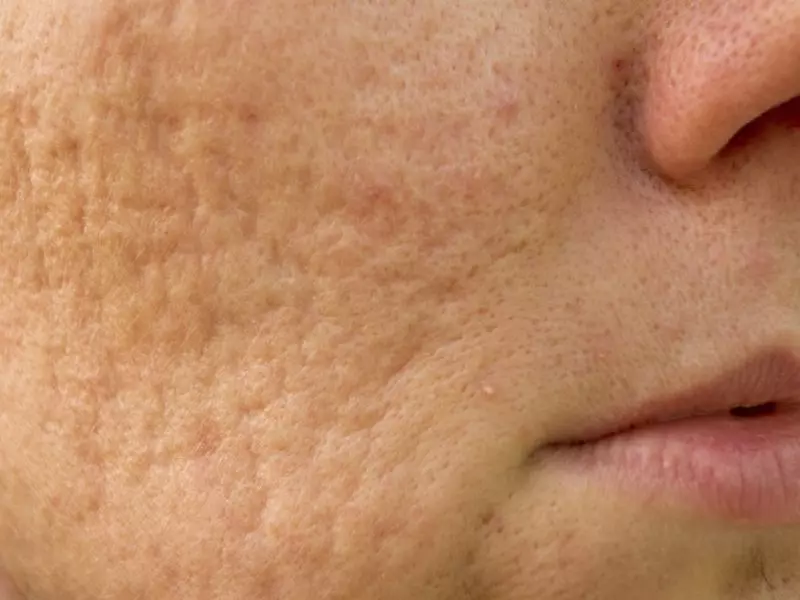

Stem cell scar treatment is an innovative method in which stem cells are used to support the recovery and repair of damaged skin tissue. This treatment aims to improve the appearance of scar tissue by supporting the body’s natural healing capacity. Scars usually occur as a result of injuries, surgical procedures, or skin problems such as acne. Stem cell scar treatment may offer a supportive option for addressing such concerns.
The treatment process is performed by collecting stem cells from the body, preparing them under appropriate conditions, and then injecting them into the scarred area. Stem cells support the renewal of damaged tissues and contribute to the restructuring of skin tissue. In this way, the appearance of scars may decrease, and the skin may gain a smoother appearance. Since stem cell scar treatment supports cellular renewal in the applied area, it may also contribute to the overall health of the skin.
For this treatment method to be effective, it should be applied correctly by an experienced team. It is important for patients to consult a specialist experienced in stem cell treatment and obtain detailed information about the pre- and post-treatment processes. The success of scar treatment depends on factors such as correct application and the patient’s individual health condition.
Benefits of Stem Cell Scar Treatment
Stem cell scar treatment offers many benefits and has become increasingly popular thanks to these advantages. First of all, this treatment method supports a natural process; since the person’s own stem cells are used, the risk of allergic reaction or rejection is generally low. This helps make the treatment more personalized and suitable when applied correctly.
Another important benefit is the ability of stem cells to support the skin tissue renewal process. In this way, the visibility of scars may decrease, and the skin may gain a healthier and more refreshed appearance. In addition, the ability of stem cells to support skin elasticity may also contribute to reducing the appearance of signs of aging. Stem cell scar treatment may improve not only the appearance of scars but also the appearance of fine lines and wrinkles in suitable cases.
Finally, this treatment method is a minimally invasive procedure and generally offers a relatively short recovery process. This means that patients may return to their daily lives within a short time. Compared to other treatment methods that require a longer recovery period, stem cell treatment may be more practical for patients. All these benefits play an important role in why stem cell scar treatment is preferred.
Stem Cell Scar Treatment Process
The stem cell scar treatment process consists of several stages, and each stage requires careful planning. The first step is to evaluate the patient’s general health condition and determine whether they are suitable for treatment. At this stage, doctors review the patient’s medical history and perform a physical examination to choose the most appropriate treatment method. The patient’s expectations and treatment goals are also taken into consideration during this process.
The next step in the treatment process is the collection of stem cells. Generally, stem cells are obtained from the patient’s own fat tissue or bone marrow. These collected cells are prepared under appropriate conditions for treatment. This process is critically important for stem cells to support the renewal of scar tissue effectively. Stem cell scar treatment may produce different results depending on the quality and number of stem cells.
The final stage is the injection of stem cells into the scarred area. This procedure is generally performed under local anesthesia and is considered a minimally invasive procedure. After the injection, stem cells begin to support the repair of scar tissue and the renewal of skin tissue. It is important for patients to follow post-treatment care instructions and not neglect regular doctor checkups. This process supports the success and long-term effects of the treatment.
Suitable Candidates for Stem Cell Scar Treatment
As with every treatment method, stem cell scar treatment may not be suitable for every patient. Therefore, a detailed evaluation is necessary before starting treatment. Generally, healthy individuals, non-smokers, and people with suitable skin structure are considered better candidates for this treatment. Stem cell scar treatment may be effective especially for people with acne scars, post-surgical scars, or burn scars.
However, in some cases, stem cell treatment may not be recommended. For example, this treatment may not be suitable for patients with immune system-related problems or serious health conditions. In addition, stem cell treatment is generally not recommended for women during pregnancy or breastfeeding. It is important for patients to have a detailed consultation with their doctor before treatment and determine the most appropriate treatment option for their own condition.
When deciding on treatment, patients should keep their expectations realistic and have sufficient information about the treatment process. The results of stem cell scar treatment may vary from person to person; some patients may see results more quickly, while for others the process may take longer. Therefore, being patient and following doctor recommendations are important.
Care After Stem Cell Scar Treatment
Care after stem cell scar treatment is critically important for the success and long-term effects of the treatment. First, it is recommended to keep the injection area clean and dry. This is important to minimize the risk of infection. In addition, you can keep your skin moisturized and healthy by using skincare products recommended by your doctor. After stem cell scar treatment, applying the correct care routines is essential to support the skin renewal process.
After treatment, you should avoid direct sun exposure. Sunlight may cause scars to become more noticeable during this period when the skin is more sensitive. You can protect your skin from UV rays by using a broad-spectrum sunscreen. It is also important to avoid heavy makeup or skincare products containing harsh chemicals. Natural and gentle products will support your skin’s recovery process.
Finally, attending regular doctor checkups is an important part of post-treatment care. Your doctor will monitor your skin’s recovery process and may recommend additional treatment methods if necessary. If you experience any side effects or unexpected situations, you should contact your doctor immediately. This helps the post-treatment care process progress more smoothly.
Frequently Asked Questions About Stem Cell Scar Treatment
There are many questions about stem cell scar treatment, and these questions are important for patients who want to better understand the treatment process. Here are some frequently asked questions and answers:
Does stem cell treatment hurt?
The treatment is generally performed under local anesthesia, so the patient usually feels minimal discomfort. Mild pain or swelling may occur after the procedure, but these usually decrease within a short time.
When do the results of stem cell treatment begin to appear?
Initial results usually begin to appear within a few weeks, although it may take several months for fuller effects to become visible. This process may vary depending on the person’s skin structure and how they respond to the treatment.
Is this treatment permanent?
Stem cell treatment may provide a long-term reduction in the appearance of scars; however, aging and environmental factors may cause the skin to change again over time. With regular care and additional treatments when needed, results may be maintained for a longer period.
If you would like to learn more about stem cell scar treatment or start this treatment, it is recommended to consult a specialist dermatologist or plastic surgeon. A professional evaluation and personalized treatment plan will guide you in achieving more suitable results.
 Call
Call
 Whatsapp