


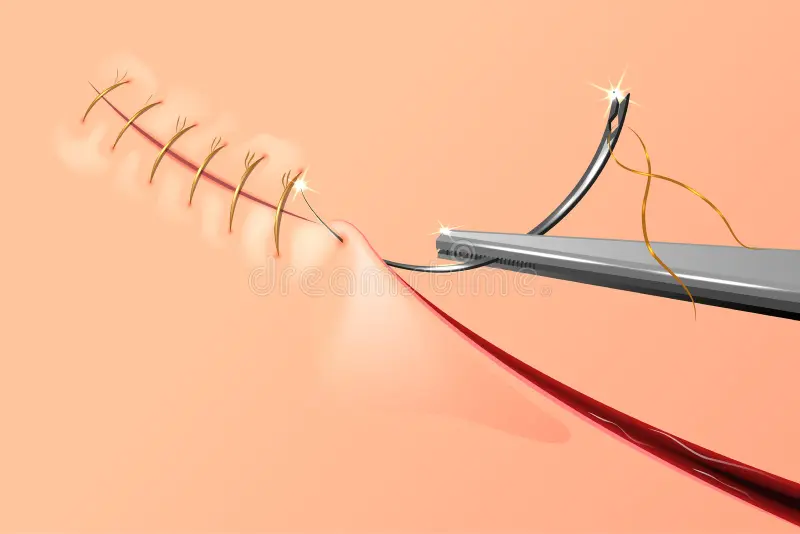

Surgical scar treatment is a process that aims to reduce the appearance of scars that form on the surface of the skin following surgical procedures or injuries. Surgical scars may occur for various reasons and can vary depending on the person’s skin structure, your skin colour, and how the wound heals. This treatment is of great importance in addressing aesthetic concerns and increasing a person’s self-confidence.
Different methods may be used in the treatment of surgical scars. These include options such as laser treatment, microdermabrasion, chemical peeling, and injections. Each method has its own advantages and limitations. The treatment method is selected according to the depth and size of the scars and the person’s skin type.
There are many reasons why people may consider having their surgical scars treated. In addition to aesthetic concerns, these scars may also cause physical discomfort for some people. Problems such as a feeling of tightness in the skin or itching may affect quality of life. For this reason, surgical scar treatment may be considered not only a cosmetic procedure but also an application that improves a person’s quality of life.
The Importance of Surgical Scar Treatment
The importance of surgical scar treatment stands out because of its positive effects on a person’s physical and psychological health. Visible scars may negatively affect a person’s self-confidence. This may also affect social life and professional relationships. By improving the person’s appearance, treatment helps them feel better.
In addition, surgical scar treatment may reduce complications associated with scar tissue. Particularly wide and deep scars may contribute to movement limitations or infections that could develop beneath the skin. Such negative effects can be minimised through treatment. By making scars less noticeable, the treatment process provides physical comfort to the individual.
Beyond aesthetic concerns, another important aspect of surgical scar treatment is that it increases a person’s self-respect. Positive changes in appearance contribute to helping the person feel better and become more comfortable during social interactions. In this context, surgical scar treatment is a holistic approach that improves individuals’ quality of life.
What Are Scars, Wound Scars, and Stretch Marks?
A scar is a permanent mark that forms as a result of an injury to the skin or a surgical procedure. A wound scar usually develops at the end of the healing process following a cut or tear in the skin. Stretch marks are thin, linear marks that occur as a result of excessive stretching of the skin. Each of these marks develops for different reasons, and their treatment processes may also differ.
Scars commonly occur following operations, accidents, or burns. Wound scars develop as a result of damage to the tissues beneath the skin and usually begin with a red or purple colour before fading over time. Stretch marks may occur during pregnancy, rapid weight gain or loss, or sudden growth during puberty. These marks are commonly seen on the abdomen, hips, breasts, and thighs.
The treatment of these marks may vary depending on the person’s skin structure and the depth and extent of the marks. Different treatment approaches are available for each type of mark, and the appropriate treatment method should be determined by a specialist dermatologist. During this process, it should be remembered that completely eliminating the marks may not always be possible, although their appearance may be significantly reduced.
Scar, Wound Scar, and Stretch Mark Treatments: Methods and Applications
There are many methods used in the treatment of scars, wound scars, and stretch marks. These methods vary according to the type of mark, skin structure, and the individual’s preferences. Some of the treatments commonly used in this field include:
Laser Treatment: Laser applications reduce the appearance of scars by lightening their colour and smoothing the skin surface. This treatment may be particularly effective for dark-coloured or wide scars.
Microdermabrasion: This method lightly abrades the surface of the skin, allowing a new layer of skin to form. Suitable for more superficial scars, this method improves skin tone and texture.
Chemical Peeling: Chemical solutions applied to the skin surface remove the upper layer of the skin and help a new and healthy layer of skin form. This method may be preferred for milder scars.
Injections: Steroid injections may be used to soften and flatten thick and raised scars. Dermal fillers may also be applied to improve the appearance of depressed scars.
Each treatment method has specific advantages and limitations. The treatment process may generally require multiple sessions and may produce different results depending on the person’s skin structure. Therefore, it is important to undergo a detailed assessment with a specialist dermatologist before beginning treatment.
Surgical Scar Treatment with Ankara Lazer
Ankara Lazer offers various advantages in surgical scar treatment. Many clinics in the capital are equipped with state-of-the-art laser devices and are managed by experienced specialists. Laser treatment may help achieve excellent results by lightening the colour of scars and improving skin texture.
Clinics providing laser treatment in Ankara create personalised treatment plans. These plans are shaped according to the type of scar, the person’s skin structure, and their response to treatment. Laser treatment is generally painless or causes minimal discomfort and offers a rapid recovery process. This allows you to return to your daily life within a short period.
People considering laser treatment in Ankara are advised to have a detailed consultation with their doctor before treatment. This consultation allows you to learn about the treatment process and clarify your expectations. Specialists will also inform you about the potential risks and side effects of treatment and help you take the necessary steps to achieve the best results.
Frequently Asked Questions About Surgical Scar Treatment
There are many frequently asked questions about surgical scar treatment. Some of the questions and answers commonly raised on this subject include:
How long does surgical scar treatment take?
The duration of treatment varies depending on the size of the scars and the method used. It usually consists of several sessions, and it may be necessary to wait for a certain period between each session.
Is the treatment painful?
Most surgical scar treatments cause minimal discomfort. Methods such as laser treatment are generally painless, although people with sensitive skin types may experience a mild burning or stinging sensation.
What is the recovery process like after treatment?
The recovery process may vary depending on the treatment applied. Following laser treatment, daily activities can generally be resumed within a few days. However, complete healing of the skin and the full appearance of the results may take several weeks.
These questions and answers provide a general overview of surgical scar treatment. However, because every individual’s skin structure and response to treatment may differ, it is recommended that you obtain the most accurate and up-to-date information from a specialist dermatologist.
 Call
Call
 Whatsapp