


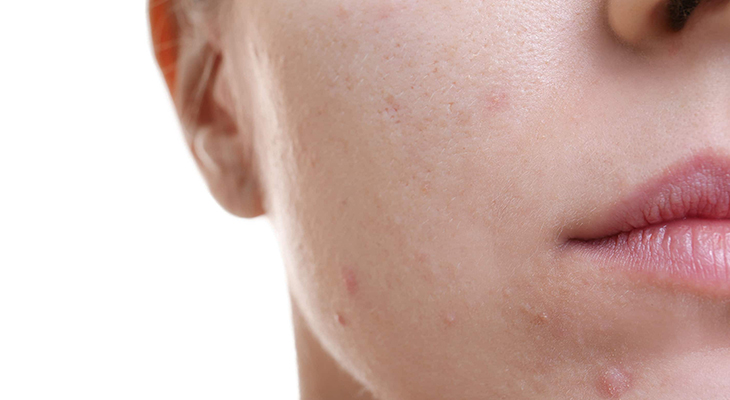

What is Ice Burn?
Ice burn is a type of freezing effect that occurs in the upper layers of the skin as a result of prolonged contact with cold. It usually occurs after direct and prolonged contact of the skin with an ice pack, ice block or extremely cold air. The skin first turns white, then reddens and color changes over time. Stains may be seen during this process.
Why Do Stains Form After Ice Burn?
Cold narrows the blood vessels on the surface of the skin and limits the blood flow to the skin tissue. This can cause damage to the cells. Damaged skin may leave darker or lighter colored spots in some areas during the healing process. These spots may be permanent for a long time depending on the skin structure.
Do Ice Burn Stains Go Away?
Superficial ice burns usually heal on their own within a few weeks. However, spots may remain longer in deeper or skin-sensitive people. Exposure to the sun can cause these spots to darken even more. Therefore, it is very important to use sunscreen during the treatment process.
What is Good for Ice Burn Stains?
There are different treatment options depending on the severity of the stain. Moisturizers, barrier repair creams and skin rejuvenating products can be used for mild stains. In addition, serums containing vitamin C, stain lightening creams and ingredients such as azelaic acid can support the process. Dermatological treatments may be needed for more stubborn stains.
What are the Professional Treatment Methods?
Some methods applied in dermatology clinics are quite effective for permanent stains that occur after ice burns. Treatments such as chemical peeling, stain mesotherapy, fractional laser or carbon peeling can help equalize the skin tone and lighten the stain. However, the choice of treatment should be determined according to personal skin structure.
Interventions Done at Home Can Be Harmful
Many people may resort to methods such as applying hot water immediately when they notice ice burns. This can cause further damage to the skin. In addition, unconscious use of peeling products can also cause the stain to darken. For this reason, it is recommended not to intervene without consulting a dermatologist.
When Should You See a Specialist?
If there are persistent spots, sensitivity, peeling or tissue loss on the skin after an ice burn, a dermatologist should definitely be consulted. Early interventions can prevent the spot from becoming permanent.
In Conclusion
Ice burn is a skin damage that should not be taken lightly. The spots that form can either disappear over time or be permanent. Proper care, patience and, when necessary, expert help are of great importance to support the healthy healing of the skin.
 Call
Call
 Whatsapp