


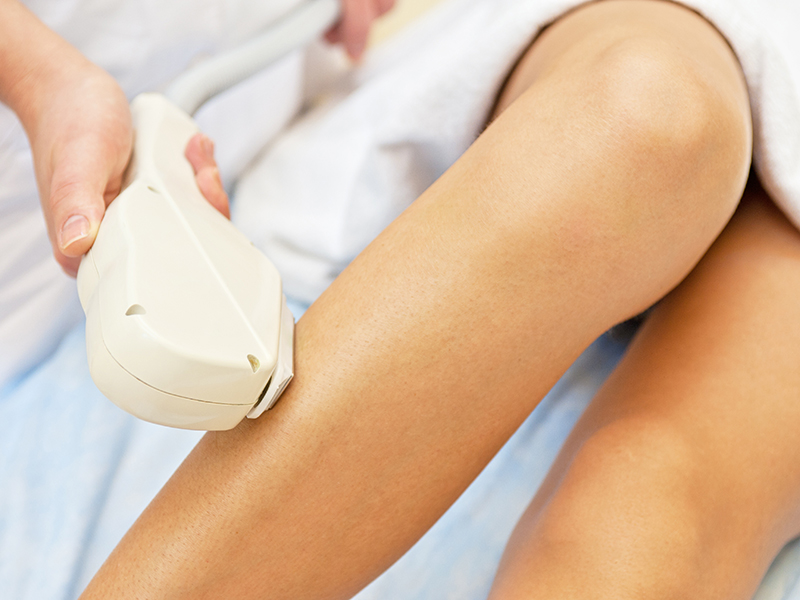

Full body laser hair removal for women is a procedure that targets unwanted hair by affecting the hair follicles beneath the skin surface. This process uses laser beams to target hair follicles and aims to slow down or prevent hair regrowth. Particularly popular among women, this method can provide effective results across many areas of the body.
For people with a busy lifestyle, laser hair removal can save time. Instead of traditional methods such as shaving daily or waxing, it offers a longer-lasting solution. However, it should be remembered that laser hair removal aims to reduce the growth rate and density of hair rather than completely eliminating it.
Many individuals who choose laser hair removal are satisfied with the smooth skin appearance achieved after the procedure. However, since each person’s skin type and hair structure are different, creating a personalized treatment plan is important. For example, clinics in large cities such as Ankara often provide professional consultation services and develop personalized treatment options.
Benefits of Laser Hair Removal
One of the greatest advantages of laser hair removal is its ability to reduce hair growth over time. This result can be achieved through regular treatment sessions. Hair regrowth becomes slower and less dense, making it easier to achieve smoother skin. However, the process may vary from person to person.
Laser hair removal can also work without damaging the skin surface. Modern devices are equipped with skin protection systems that increase the safety of the procedure. Since the laser targets the hair root directly, it can also help reduce ingrown hair problems, which are common after waxing or shaving.
In addition, laser hair removal treatments performed by specialists in professional centers such as Ankara Life Polyclinic are carried out under high hygiene standards and with advanced technology devices. This helps minimize the risk of complications during and after the procedure.
Laser Hair Removal Applications and Process
Laser hair removal applications usually consist of several stages. First, a skin and hair analysis is performed. This analysis plays a critical role in determining which laser device should be used. Then, the treatment area is cleaned and, if necessary, a topical anesthetic cream may be applied.
During the procedure, the laser device head is moved across the skin. The duration of the treatment depends on the size of the area and the density of the hair. Smaller areas can be completed within a few minutes, while full body applications may take longer. During laser hair removal procedures, various comfort measures are taken to ensure that clients feel relaxed during the treatment.
A certain period must be left between sessions. This period usually ranges between four and six weeks. These intervals are planned according to the natural hair growth cycle and help achieve more effective results. The total number of sessions may vary depending on the individual’s hair structure and skin type.
Types of Lasers and Their Features
There are several types of lasers used in laser hair removal procedures. Each laser type operates at different wavelengths, making them suitable for different skin and hair types. The most commonly used laser types include Alexandrite, Diode, and Nd:YAG lasers.
Alexandrite Laser generally provides effective results for individuals with lighter skin tones. Its shorter wavelength targets melanin pigment and offers fast treatment times.
Diode Laser may produce better results for individuals with darker skin tones. Its longer wavelength allows it to reach deeper hair follicles and provide effective treatment.
Nd:YAG Laser is a versatile laser type that can be used on almost every skin type. It is particularly ideal for darker skin tones because it targets skin melanin less directly.
Each laser type should be selected according to the specific needs and skin type of the individual. Professional guidance is very important when making this decision.
Session Duration and Frequency
The duration and frequency of laser hair removal sessions may vary depending on the treatment area. Small areas may be completed in 10–15 minutes, while full body applications may take several hours. The interval between sessions is generally four to six weeks.
The timing between sessions is adjusted according to the hair growth cycle. This process is essential for increasing the effectiveness of laser treatment. Specialists create personalized treatment plans and determine the most suitable session intervals based on individual needs.
The number of sessions may vary depending on hair density, skin type, and genetic factors. Generally, 6 to 8 sessions may be sufficient to achieve visible results. However, because every individual’s body structure is different, more or fewer sessions may be required.
Things to Consider Before and After Laser Hair Removal
There are several important points to consider before and after laser hair removal. Before the procedure, the skin should be clean and free of makeup. In addition, sun exposure should be avoided for several weeks before and after sessions because tanned skin may be more sensitive to laser light.
After the procedure, mild redness or sensitivity may occur on the skin. These effects are usually temporary, and moisturizing creams may help soothe the skin. It is also recommended to avoid hot showers, saunas, and intense physical activities for a few days to help the skin recover more quickly.
Finally, it is important to follow the recommendations provided by specialists at professional centers such as Ankara Life Polyclinic. Following pre- and post-treatment care instructions ensures a safer experience and supports achieving the desired results.
 Call
Call
 Whatsapp