



What is Glycolic Acid?
Glycolic acid is a fruit acid (AHA - alpha hydroxy acid) obtained from sugar cane and widely used in skin care. Thanks to its small molecular structure, it easily penetrates the skin surface. With this feature, it supports skin renewal by cleansing dead skin cells.
How Does It Affect Acne Scars?
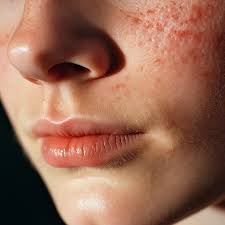
The spots and superficial scars that form on the skin after acne become more visible as the skin renewal cycle slows down. Glycolic acid peels the upper skin and reveals a fresher and smoother skin texture from underneath. With regular use, it helps equalize skin tone and fade scars.
In What Proportions Is It Used?
Glycolic acid is usually found in products used at home at a rate of 5% to 10%. Higher concentrations (20-70%) are used for professional peeling procedures in clinical environments. These procedures are effective for acne spots, fine wrinkles and skin tone inequalities on the skin.
What Should Be Considered When Using?
Since glycolic acid makes the skin more sensitive to the sun, sunscreen should definitely be used after application. In addition, a slight redness and tingling sensation is normal at the beginning. It is recommended to start with lower concentrations for sensitive skin. If irritation or burning sensation increases, the product should be discontinued.
When Will Results Be Obtained?
Although it varies according to skin structure and depth of scars, a significant lightening and smoothing of the skin can be observed within 4-6 weeks with regular use. However, it may not be sufficient on its own for permanent acne scars; in this case, supportive treatments such as laser, dermapen or chemical peeling may be required.
Conclusion
Glycolic acid is an effective and scientifically supported ingredient in reducing the appearance of acne scars. However, choosing the right product and using it according to the skin type are important. The most appropriate approach for skin health is to create a personalized treatment plan by consulting a specialist.
 Call
Call
 Whatsapp