


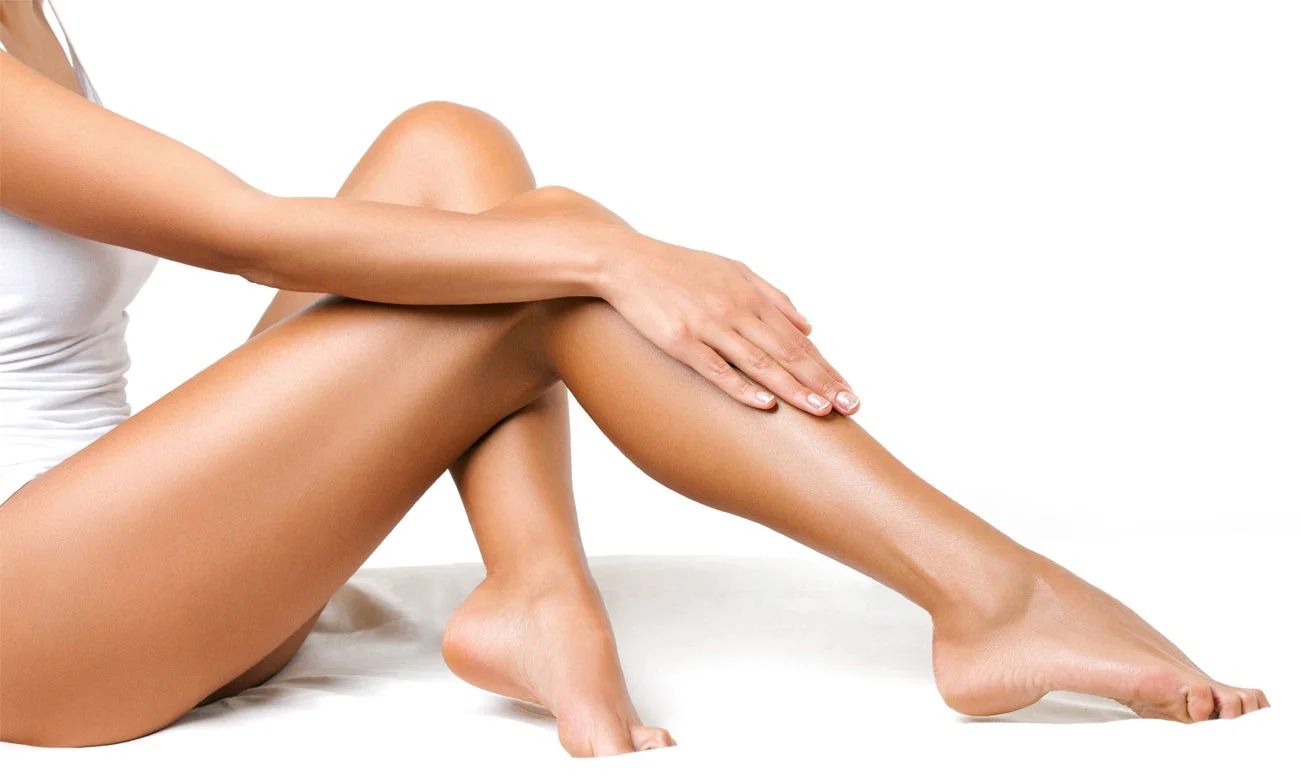

During laser hair removal, light waves applied to the skin target the hair follicles containing melanin (pigment). This pigment absorbs the light energy and damages the hair root, causing the hair to fall out. This method also makes it difficult for the hair to grow back.
Laser hair removal can be used on various parts of the body. Commonly used areas include legs, arms, bikini area, armpits and face. Laser hair removal can provide permanent hair reduction when applied regularly and helps people feel more confident and comfortable.
Advantages of Laser Hair Removal
Laser hair removal has many advantages over traditional hair removal methods:
Permanent Hair Reduction: Laser hair removal provides permanent hair reduction in the long term by targeting the root of the hair. With regular applications, the hair gradually becomes sparser and thinner.
Fast and Effective Application: Laser hair removal is faster and more effective than traditional methods. Large areas can be treated in a short time.
Painless Experience: The pain felt during laser hair removal is quite less compared to traditional methods. This provides a more comfortable experience during the procedure.
Safe and Sterile: Laser epilation is performed by experienced experts in professional health centers. The procedure performed under sterile conditions does not carry the risk of infection.
Can Be Applied to Sensitive Areas: Laser epilation can also be applied safely to sensitive areas such as the face and bikini area.
Long-Lasting Results: Laser epilation prevents hair from growing for a long time. With regular applications, the hair gradually becomes thinner.
Causes of Remaining Hair After Laser Epilation
Although laser epilation is a very effective method, in some cases it is possible that the hair cannot be completely removed. There may be various reasons for remaining hair:
Hormonal Causes: Changes in the person's hormonal balance can affect hair growth. Hormonal disorders, especially seen in women, such as polycystic ovary syndrome, can cause hair growth after laser epilation.
Genetic Factors: Some people's hair structure and growth rate can be affected by genetic factors. This may cause the hair not to be completely removed after laser epilation.
Application Frequency: Laser epilation should be repeated at regular intervals. If the application frequency is not sufficient, hair regrowth may be inevitable.
Hair Structure: Some people's hair may be more resistant to laser light. This may lead to the hair not being completely removed.
Insufficient Energy Level: The energy level used during laser hair removal may be insufficient depending on the hair structure. In this case, it may not be possible to completely remove the hair.
How to Remove Hair After Laser Hair Removal
Hair remaining after laser hair removal can be removed safely and effectively with various methods. The method to be applied should be determined according to the person's needs, hair density and sensitivity:
Shaving: The easiest and fastest solution for hair remaining after laser hair removal is shaving. Shaving improves the appearance by keeping the hair short, but it does not provide a permanent solution.
Epilation: Epilation, which means removing hair from the root, is an effective method for removing hair remaining after laser hair removal. Although painful, it provides longer-lasting results.
Cream Depilators: Cream depilators containing chemical components help melt and remove hair from the root. This method may be more suitable for sensitive skin.
Needle Epilation: Needle epilation removes each hair root separately. This method is especially effective in removing resistant hair.
Laser Retouching: Additional laser applications can be used to remove remaining hair after laser epilation. This method provides more effective and permanent results.
Hair care after laser epilation should be customized according to the person's needs. It is important to choose the appropriate method with professional support to achieve the best results.
 Call
Call
 Whatsapp