


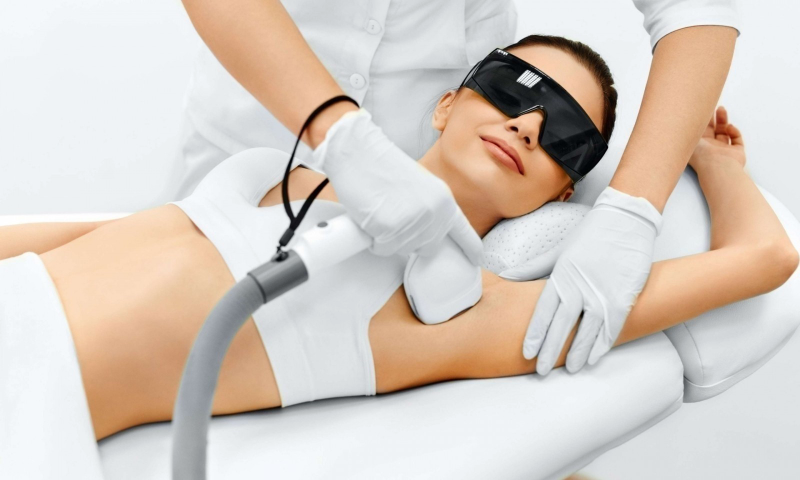

Many people who want to get rid of unwanted hair with laser treatment are curious about the issue of hair that does not fully disappear after laser epilation. In this article, we will discuss how laser epilation works, in which cases it may not be fully effective, and post-treatment care recommendations. We will also touch on methods for reducing hair with laser. Let’s begin.
What Is Hair That Does Not Fully Disappear with Laser?
Hair that does not fully disappear with laser refers to situations where laser epilation is not as effective as expected. This usually depends on factors such as hair structure, skin type, and the frequency of application. Since each individual’s hair and skin structure is different, results can vary from person to person.
Laser epilation targets hair follicles beneath the skin to prevent regrowth. However, in some cases, hair follicles may resist laser energy or may not be sufficiently affected. In such cases, even if the hair does not completely disappear, a noticeable reduction can still be achieved.
Especially light-colored or fine hair tends to be less responsive to laser treatment. Therefore, the issue of hair not fully disappearing is more common in individuals with this type of hair structure. However, this does not mean that laser epilation is ineffective; it simply may require a more careful and long-term treatment process.
Basic Principles of Laser Epilation
The basic principle of laser epilation is to target hair follicles with laser beams to achieve long-term hair reduction. Laser devices direct light energy to the melanin pigment in the hair follicles, damaging them and reducing regrowth.
Laser epilation is typically performed in multiple sessions. In the first sessions, a noticeable reduction in hair can be observed, but regular treatments at proper intervals are required for optimal results. There should be a certain period between sessions to allow the skin to recover, usually between 4 to 6 weeks.
The type of laser used may vary depending on skin and hair type. Alexandrite, Nd:YAG, and diode lasers are commonly selected based on different skin tones and hair structures. Choosing the right laser type is an important factor in ensuring both effectiveness and safety.
Situations Where Laser Epilation May Not Be Effective
In some cases, laser epilation may not be as effective as expected. These situations are generally related to hair and skin characteristics. For example, white, gray, or very fine hair is less responsive to laser energy.
Hormonal imbalances can also reduce the effectiveness of laser epilation. Conditions such as polycystic ovary syndrome (PCOS) may cause hair to grow back more quickly and densely. In such cases, hormonal treatment may be needed alongside laser epilation.
Incorrect application techniques or unsuitable devices can also reduce effectiveness. Therefore, it is important to have the procedure performed by experienced professionals. If you are looking for a center in Ankara, reliable clinics such as Ankara Life Polyclinic can be preferred.
How Does the Laser Epilation Process Work?
When performed with proper techniques and equipment, laser epilation is a highly effective method. First, a specialist evaluates your skin and hair type. This analysis plays a key role in determining the appropriate laser type and treatment schedule.
Before the procedure, hair is usually shaved to increase the effectiveness of the laser and reduce potential side effects. The laser device is then applied to the target area to affect the hair follicles. Each session may take from 15 minutes to a few hours, depending on the size of the area being treated.
A certain interval is left between sessions to allow the skin to recover. This period typically ranges from 4 to 6 weeks. Attending sessions regularly is important for achieving optimal results.
Post-Laser Epilation Care Recommendations
After laser epilation, the skin may become sensitive and require special care. Following a few simple aftercare steps can help soothe the skin and prevent irritation.
Protect from the Sun: It is important to protect your skin from direct sunlight after laser treatment. Using high-SPF sunscreen helps prevent damage.
Use Moisturizer: Applying a light moisturizer helps maintain the skin’s hydration and supports faster healing.
Avoid Scratching: You may feel slight itching after the procedure, but you should avoid scratching to prevent irritation and prolonging the healing process.
Methods for Laser Hair Reduction
Laser hair reduction is an effective method for those who want to eliminate unwanted hair. However, adopting the right approach is essential for achieving the best results. Here are some key methods:
Personalized Treatment Plan: Since each individual’s skin and hair structure is different, creating a personalized treatment plan is important. A specialist can determine the most suitable plan for you.
Choosing the Right Laser Type: Selecting the appropriate laser type for your skin and hair structure increases treatment success. For example, Nd:YAG lasers may be preferred for darker skin tones, while Alexandrite lasers are often used for lighter skin.
Regular Sessions: Attending sessions regularly is crucial for effective results. Each session weakens the hair follicles further and helps reduce hair growth.
 Call
Call
 Whatsapp