


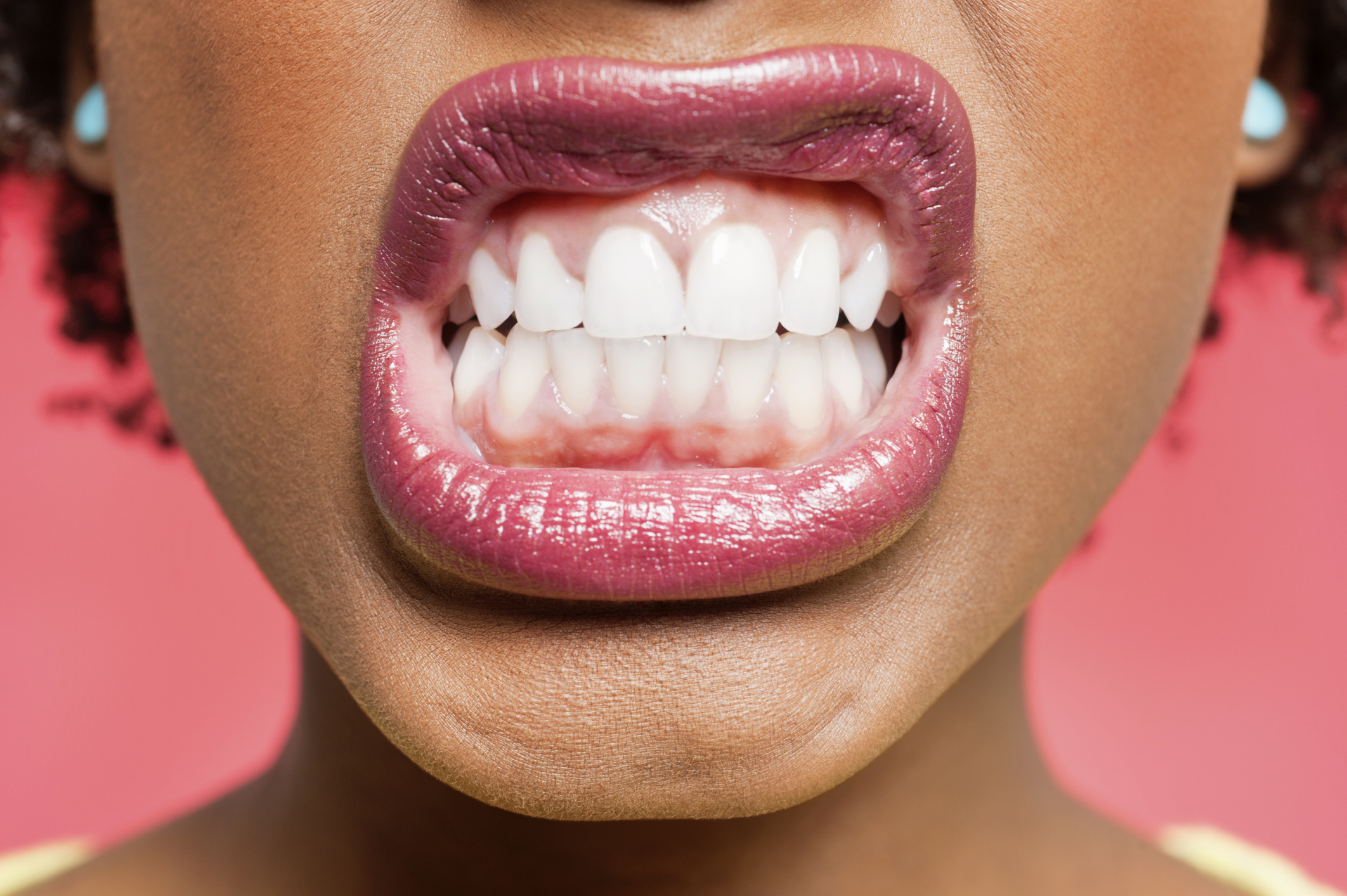

It is important to know that teeth grinding has various causes and long-term harms. To overcome this problem, you need to take the right steps. Understanding the physical and psychological effects caused by teeth grinding is important so that you can determine appropriate treatment methods. It will also be extremely helpful to learn about tips and appropriate exercises to prevent teeth grinding.
Causes of Teeth Grinding
Teeth grinding is actually a type of stress response, often associated with negative emotions such as tension, anxiety or anger. While some people tend to grind their teeth while sleeping, others may also experience teeth grinding when they are awake. Stressful situations, depression, anxiety disorders, sleep problems and disorders in the jaw joint are among the main causes of teeth grinding.
Stress and Anxiety: Factors such as increased stress in daily life, work or personal problems, and financial concerns can lead to teeth grinding problems.
Sleep Disorders: Sleep apnea, insomnia, and other sleep problems can increase the tendency to grind teeth.
Jaw Joint Disorders: Structural problems in the jaw joint, arthritis or trauma can cause teeth clenching problems.
Psychological Factors: Depression, anxiety disorders and inability to cope with stress can trigger teeth grinding problems.
Habit: Some people may have a habit of grinding their teeth since childhood or adolescence.
Physical Effects of Teeth Grinding
Teeth clenching can cause a variety of physical problems not only on the teeth but also in other parts of the body. Below are the most common physical effects of teeth grinding:
Tooth Wear and Fracture: Teeth clenching can cause teeth to wear and break. This may lead to deterioration in chewing function.
Jaw Pain and Fatigue: Teeth clenching can cause excessive tension and pain in the jaw muscles. If it continues for a long time, the jaw muscles may become tired.
Headache and Migraine: Teeth grinding can trigger headache and migraine attacks due to tension in the jaw muscles.
Earache: Pressure on the jaw joint can also cause earache.
Neck and Back Pain: Teeth grinding can also cause tension in the spine and back muscles.
Sleep Disorders: Teeth grinding can disrupt sleep at night and reduce sleep quality.
Psychological Effects of Teeth Grinding
Teeth grinding can cause serious problems not only physically but also psychologically. Below are the most common psychological effects of teeth grinding:
Increased Stress and Anxiety: Teeth grinding can increase stress and anxiety levels. This situation can negatively affect the person's quality of daily life.
Depression: Physical discomfort caused by teeth grinding can also negatively affect a person's mental health and lead to depression.
Sleep Problems: Teeth grinding can disrupt night sleep, disrupting sleep quality. This may reduce the individual's performance during the day.
Social Isolation: Physical discomfort caused by teeth grinding can prevent a person from participating in social activities and lead to an isolated lifestyle.
Loss of Self-Confidence: Changes in appearance caused by teeth grinding can reduce a person's self-confidence.
Long-Term Harms of Teeth Grinding
Teeth grinding can lead to serious health problems in the long run. Below are the most important long-term harms of teeth grinding:
Jaw Joint Disorders: Teeth clenching can cause overload and joint damage on the jaw joint. This may lead to pain, locking and limited movement in the jaw joint.
Tooth Loss: Teeth clenching can cause teeth to wear down, break, and eventually lose.
Facial Deformation: Long-term teeth clenching can lead to overdevelopment of the jaw muscles and distortion of facial lines.
Sleep Apnea: Teeth grinding may increase the risk of sleep apnea. This can reduce sleep quality and cause health problems.
Cardiovascular Problems: Stress caused by teeth grinding can increase blood pressure and the risk of heart diseases.
Treatment of Teeth Grinding
In the treatment of teeth grinding, approaches aimed at the cause of the problem are important. Below are the main methods used in the treatment of teeth grinding:
Stress Management: Controlling psychological factors such as stress and anxiety plays an important role in solving the teeth grinding problem. Methods such as relaxation techniques, yoga, meditation and therapy may be helpful.
Mouth and Jaw Exercises: Special exercises to strengthen the jaw muscles and increase their flexibility can reduce the problem of teeth clenching.
Dental Night Plate: Dental night plates reduce the effect of teeth clenching by preventing the teeth from touching each other.
Botulinum toxin Application: Botulinum toxin applications applied to the jaw muscles can solve the problem of teeth clenching by temporarily limiting muscle movements.
Surgical Treatment: Treatment of jaw joint problems with surgical intervention can help solve the problem of teeth clenching.
Tips to Prevent Teeth Grinding
To prevent teeth grinding, you can consider the following tips:
Stress management technique
 Call
Call
 Whatsapp