


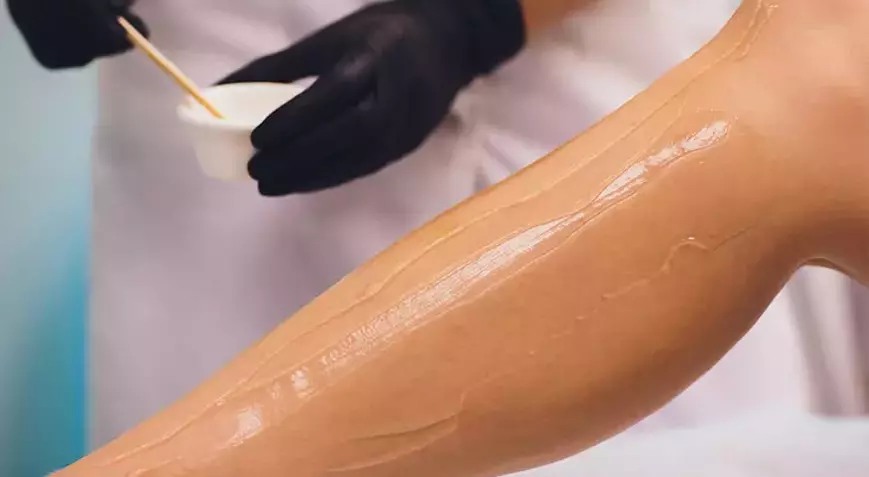

Waxing can disrupt the natural balance of our body and lead to various health problems. For example:
1. Risk of infection: Damage to the skin surface during waxing can allow bacteria to enter and increase the risk of infection.
2. Allergic reactions: Chemicals in wax can cause allergic reactions for sensitive skin. This can cause itching, redness and swelling.
3. Hormonal imbalances: Waxing can disrupt the hormonal balance of our body. This can lead to acne, hair loss and other hormonal problems.
4. Nerve damage: Excessive pulling or incorrect technique during waxing can cause nerve damage. This can lead to pain, tingling and loss of sensation.
Waxing damages the skin
Waxing can also have negative effects on our skin:
• Dryness and irritation: Chemicals in wax can disrupt the skin's natural oil balance, causing dryness and irritation.
• Redness and inflammation: Damage to the skin surface during waxing can lead to redness and inflammation.
• Pigmentation changes: Waxing can cause skin color changes (hyperpigmentation or hypopigmentation).
• Nail problems: Waxing can negatively affect nail growth and health.
Things to consider when using wax
It is important to pay attention to the following points when using wax:
5. Product selection: Choose reliable and high-quality waxing products that are suitable for your skin type.
6. Application technique: Apply wax correctly and delicately. Excessive pulling or incorrect technique can damage the skin.
7. Cleaning and hygiene: Clean the skin thoroughly before and after application and work in hygienic conditions.
8. Allergy tests: Before waxing, test a small area to test your skin sensitivity.
9. Frequency and duration: Avoid waxing more frequently and for longer periods than necessary.
Tips to prevent the harms of waxing
You can apply the following tips to protect yourself from the harms of waxing:
• Consider alternative methods: Instead of waxing, prefer safer methods such as laser epilation, IPL, electric hair removal devices.
• Use natural products: Waxing products containing natural plant extracts can protect you from the harms of synthetic chemicals.
• Pay attention to skin care: Support your skin with moisturizing and softening products after waxing.
• Get expert support: If you have skin problems, consult a dermatologist and evaluate appropriate treatment options.
• Reduce waxing: Reduce waxing as much as possible or stop it completely.
Would you like to learn more and discover healthy alternatives to protect yourself from the harms of waxing? Contact us to get expert advice and improve your personal care routine.
 Call
Call
 Whatsapp