


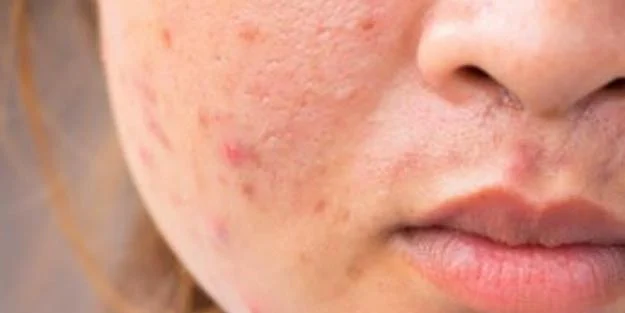

What is Hormonal Acne and How Does It Go Away?
Hormonal acne is a type of acne that usually occurs as a result of fluctuations in hormone levels in the body. In particular, conditions such as puberty, menstruation, pregnancy, menopause and hormonal disorders can trigger hormonal acne. It is mostly seen on the chin, jawline and cheeks.
Why Does Hormonal Acne Occur?
Hormonal acne occurs as a result of the effect of hormones in the body on the sebaceous glands. Especially androgen hormones (such as testosterone) cause the sebaceous glands to produce more sebum. Excessive sebum production paves the way for pores to become clogged and bacteria to multiply.
Factors that contribute to hormonal acne formation:
Adolescence:
The sebaceous glands become more active due to the increase in hormone levels. This is the most common cause of acne formation.
Menstrual Period:
Fluctuations in hormone levels before and during menstruation can cause acne formation. It is usually concentrated on the jawline and cheeks.
Pregnancy:
During pregnancy, hormone levels change dramatically. These changes can increase acne formation on the skin.
Polycystic Ovary Syndrome (PCOS):
This condition, which causes hormonal imbalances, is one of the most common causes of hormonal acne in women.
Menopause:
A decrease in estrogen levels and an increase in androgen hormones can trigger acne formation.
Stress:
Stress can increase cortisol hormone levels, causing the sebaceous glands to produce more oil.
Wrong Product Use:
Oily or comedogenic products can trigger acne formation on skin that is already sensitive due to the effects of hormones.
How to Understand Hormonal Acne?
Hormonal acne is usually distinguished from other acne by some characteristics.
Regional Distribution: It is usually seen on the chin, jawline, cheeks and neck area.
Periodic Increase: It increases especially during menstrual periods.
Deep and Painful Structure: It is in the form of hard and painful acne that occurs in the lower layers of the skin.
Tends to be stubborn: May not go away despite other treatment methods.
How to Get Rid of Hormonal Acne?
Treatment of hormonal acne is usually aimed at balancing hormone levels and reducing inflammation in the skin. Both topical (applied to the skin) and oral (taken by mouth) treatments can be applied.
1. Topical Treatments
Retinoids (Retinol, Tretinoin):
Prevents pores from clogging by accelerating the renewal of skin cells. It is especially effective for mild and moderate acne.
Salicylic Acid:
Cleanses pores, reduces inflammation and regulates the pH balance of the skin.
Benzoyl Peroxide:
Eliminates bacteria on the skin thanks to its antibacterial properties. It is especially effective on inflamed acne.
Antibiotic Creams:
Reduces inflammation by preventing bacterial growth. Creams such as Clindamycin and Erythromycin are often used.
2. Oral Treatments
Birth Control Pills:
It is used in the treatment of acne due to hormonal imbalances, especially in women. It reduces oil production by regulating estrogen and progesterone levels.
Anti-Androgen Drugs (Spironolactone):
It controls oil production by reducing the effect of androgen hormones on the skin. It provides effective results especially in women.
Isotretinoin (Roaccutane, Zoretanin):
It is a powerful drug used for severe and resistant hormonal acne. However, it should only be used under the supervision of a doctor due to its side effects.
3. Natural Methods
Zinc Supplement:
Zinc has anti-inflammatory properties and can help heal hormonal acne.
Green Tea:
It can soothe the skin thanks to its antioxidant and anti-inflammatory properties. Products containing green tea extract or green tea compresses can be used.
Aloe Vera:
It soothes the skin and reduces inflammation. It can be used safely, especially on sensitive skin.
Healthy Diet:
Avoiding sugary, processed and oily foods can help reduce hormonal acne.
Tips to Prevent Hormonal Acne
Cleanse Your Skin Regularly:
Wash your skin twice a day using a gentle cleanser suitable for your skin type.
Use Oil-Free Products:
Choose non-comedogenic (non-pore-clogging) moisturizers and makeup products.
Don't Neglect to Use Sunscreen:
Be sure to use oil-free sunscreen before going out in the sun.
Pay Attention to Your Nutrition:
Eating a healthy and balanced diet can help balance hormone levels.
Try to Manage Stress:
Relaxation techniques such as yoga, meditation or sports can help control stress levels.
When to See a Doctor?
Hormonal acne can usually be controlled with methods that can be applied at home. However, in some cases, it may be necessary to see a dermatologist:
If acne is constantly increasing or spreading.
If painful, inflamed or deep acne occurs.
If it does not go away despite home treatments.
 Call
Call
 Whatsapp