


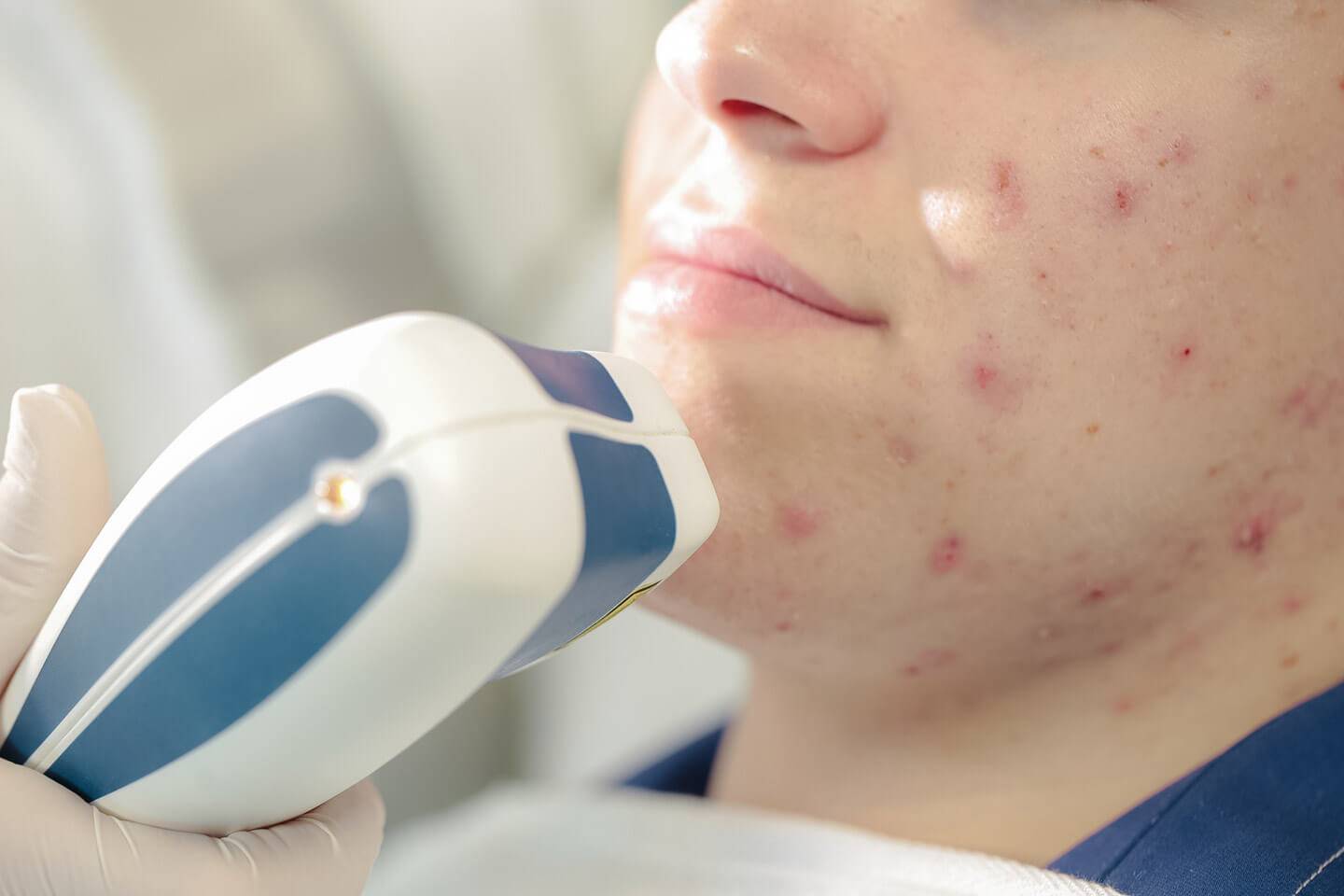

Hormone acne treatment is very important to be done properly. Pimples on the skin can occur for different reasons. Pimples that appear due to hormonal effects may occur during menstruation. Hormonal disorders that increase oil production during these periods can cause acne. Although the hormonal level returns to normal when the menstrual period ends, these acnes continue to exist. For this reason, hormone acne treatment should be done with the support of a specialist. The fact that the skin is more oily and ready to shine during the menstrual period is attributed to the change in testosterone level. Pimples can be on the day of menstruation or 5 days before the onset of menstruation. The causes of hormonal acne in research are listed as follows:
* stress and sleep disturbance
* Hormonal changes due to drug use
* Hormonal disorders such as thyroid
What is Hormonal Acne?
Hormone acne treatment is made according to the underlying cause. Acne can occur during hormonal periods such as puberty and menstruation. It is important to consult a dermatologist for cleansing the skin. These formations that occur due to hormones are also called adult acne. These acnes, which generally appear in the 20s, 30s and 40s, affect both those who have acne before and those who do not. Hormonal acne, which is always inflamed and cystic, manifests itself as deep cysts and red bumps on the lower part of the face. In some cases, it can also create long-term scars. The lightest form occurs during menstruation. Although it heals quickly, in some individuals it can continue for the whole month. The natural course of this type of acne is different for everyone. Some may recover in just a few months, while others may take many years to completely heal.
Features of Hormonal Pimples
Good care is essential for hormonal acne treatment. Every acne has a certain natural course. Those that appear during the menstrual period can be deleted when this period ends. Some can form cysts deep under the skin. This type of acne can be in the form of painful pustules. Although they affect the face, they can also affect the body. Acne may be more common in those with polycystic ovary syndrome. In particular, stress affects hormone levels badly, and hormone acne can cause abnormal fluctuations in their formation. This increases the severity of acne. In such cases, it will be safer to consult a specialist dermatologist and follow an acne treatment under expert control.
 Call
Call
 Whatsapp