


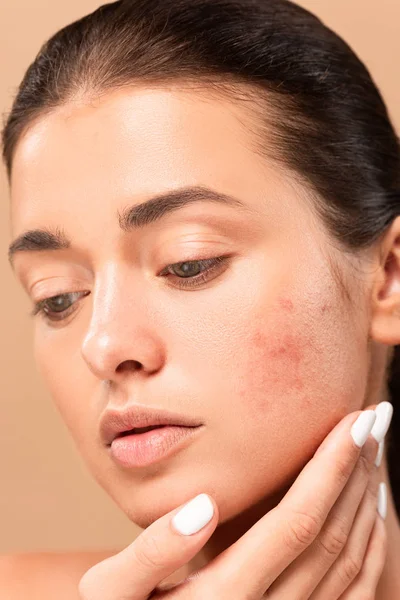

What is Hormonal Acne?
Hormonal acne is acne that is caused by hormonal imbalances in the body and is usually associated with conditions such as puberty, menstruation, pregnancy or polycystic ovary syndrome (PCOS). In particular, puberty and changes in the menstrual cycle increase oil production in the skin and trigger acne formation. This type of acne is usually seen in areas of the skin that are dense due to the effect of hormones, such as the chin, forehead and jawline.
Treatment Methods for Hormonal Acne
The most important step in hormonal acne treatment is to ensure hormonal balance. Treatment begins with using products designed to control excess oil in the body. However, these treatment methods are usually recommended by dermatologists and should be personalized.
Medications for Hormonal Acne
Some medications can be used for hormonal acne. For example, birth control pills can help heal acne by regulating hormone levels. These medications reduce the levels of hormones such as testosterone in the body, reduce oil production in the skin and prevent acne formation. In addition, anti-androgen medications can help control acne by balancing hormones, especially in conditions such as PCOS.
Topical Treatments for Hormonal Acne
Topical treatments are commonly used in the treatment of acne. Substances such as benzoyl peroxide and retinoids can help dry out acne by opening the pores in the skin. However, these treatments alone may not be enough for acne caused by a hormonal problem. Therefore, they are usually used in conjunction with drug therapy.
Natural Methods for Hormonal Acne
Some natural methods can be supportive in treating hormonal acne. For example, tea tree oil can help dry out acne due to its antibacterial properties. In addition, aloe vera gel reduces inflammation in the skin, allowing acne to heal faster. However, natural methods may not always be sufficient, so they should be used with a dermatologist's recommendation.
Skin Care for Hormonal Acne
Proper skin care is of great importance for hormonal acne. Using gentle, water-based cleansers can help balance oil in the skin. It is also beneficial to provide the skin with the moisture it needs by using non-comedogenic (non-pore-clogging) moisturizers. Regular skin cleansing can be effective in preventing acne formation.
Nutrition for Hormonal Acne
Diet can directly affect the formation of hormonal acne. Avoiding sugary and processed foods and having a balanced diet can help prevent acne formation. In addition, foods rich in omega-3 fatty acids and zinc improve skin health. These nutrients can reduce inflammation of the skin and speed up the healing of acne.
Patience in Hormonal Acne Treatment
Treatment of hormonal acne can often take time. It can take several weeks for hormone levels to balance and for the skin to improve. It is important to be patient during this process and continue the treatment regularly. Starting treatment early can help acne heal without leaving permanent scars.
Dermatological Help for Hormonal Acne
If acne has reached serious dimensions or does not go away with home methods, it is necessary to seek professional help from a dermatologist. A dermatologist will evaluate your individual situation and determine the most appropriate treatment plan. It is also very beneficial to work with doctors who specialize in treating hormonal imbalances.
 Call
Call
 Whatsapp