


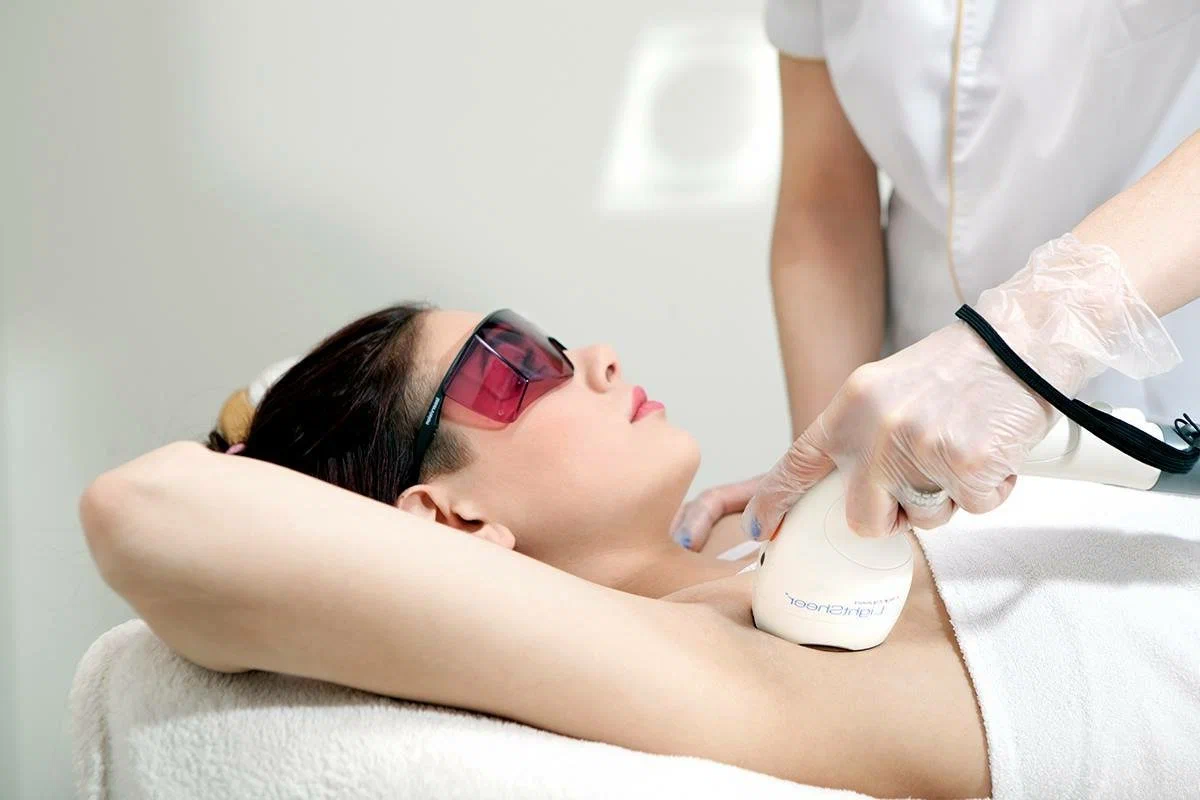

Hospital epilation is an epilation method performed in medical environments. Unlike traditional home epilation methods, this procedure performed by experienced doctors in a hospital environment provides more effective and safe results. Hospital epilation is preferred especially in large areas, sensitive areas or in cases where there are problems such as ingrown hairs.
Hospital epilation is a procedure using various technologies such as laser, light or electricity. These methods aim to achieve permanent results by preventing hair growth. This procedure performed in a hospital environment provides significant advantages in terms of the comfort and safety of the person.
Hospital epilation can be an ideal solution especially for people who cannot use home epilation methods due to health problems or sensitive areas. Since this procedure is performed by specialist doctors, safer and more effective results can be achieved.
Advantages of Hospital Epilation
Hospital epilation offers several advantages compared to traditional home epilation methods:
1. More Effective Results: Hospital epilation performed by experienced doctors provides more permanent hair reduction. More effective results can be achieved compared to home methods.
2. Safer Procedure: This procedure performed in a hospital environment is safer because it is performed in a more sterile and controlled environment. Possible infection risks are minimized.
3. Suitable for Sensitive Areas: Hospital epilation provides safer and more effective results, especially in sensitive areas (e.g. bikini area, underarms, face, etc.).
4. Personalized Treatment: In hospital epilation, a personalized treatment plan is applied, taking into account each person's needs and skin characteristics.
5. Expert Management: Since hospital epilation is performed by experienced doctors, a more reliable and professional service is received.
6. Comfortable and Relaxed Environment: The hospital environment offers a more comfortable and relaxed experience during the epilation process.
Considering these advantages, hospital epilation can be an ideal option for people who cannot use home-type epilation methods, especially due to sensitive areas or health problems.
Side Effects of Hospital Epilation
Although hospital epilation is generally a safe procedure, some side effects may occur:
7. Temporary Redness and Irritation: Temporary redness and irritation may occur in the area where the epilation is applied during and after the epilation procedure. This usually passes within a few hours.
8. Sensitivity: Some people may feel sensitivity during the epilation procedure. However, this sensitivity is minimized in the procedure performed by experienced doctors.
9. Temporary Swelling: Temporary swelling may occur in the area where the epilation is applied after the epilation procedure. This disappears within a few days.
10. Pigmentation Changes: Rarely, pigmentation changes (darkening or lightening) may occur in the area after the epilation procedure. This is usually temporary.
11. Risk of Infection: Although it is performed in a hospital environment, the risk of infection is not completely eliminated. However, this risk is very low in the procedure performed under sterile conditions and by experienced doctors.
All of these side effects are usually temporary and mild. These side effects are less likely to occur in procedures performed by experienced doctors. Patients can minimize possible side effects by communicating with their doctors before and after the procedure.
Suitable Candidates for Hospital Epilation
Hospital epilation can be a suitable option for various people:
12. Sensitive Areas: Hospital epilation can be an ideal solution for people who want to have epilation in sensitive areas such as the bikini area, underarms, and face.
13. People with Health Problems: People who cannot use home-type epilation methods due to diabetes, skin diseases, or other health problems can apply for hospital epilation.
14. People with Ingrown Hair Problems: People with problems such as ingrown hairs can benefit from epilation procedures performed in a hospital environment.
15. Large Areas: People who want to have epilation in large areas of the body (legs, back, etc.) can choose hospital epilation.
16. Those Who Want Permanent Results: People who want to achieve more permanent results can choose hospital epilation.
17. Those Who Want Professional Support: People who want to have epilation under the supervision of experienced doctors can apply for hospital epilation.
Hospital epilation can be an ideal option for people with these characteristics. However, since each person's situation is different, it is important to evaluate the suitability by consulting with the doctor.
Different Methods of Hospital Epilation
Various technologies and methods can be used in hospital epilation:
18. Laser Epilation: Hair growth is prevented by using laser beams. Laser epilation provides effective results especially in sensitive areas.
19. Light-Based Epilase
 Call
Call
 Whatsapp