


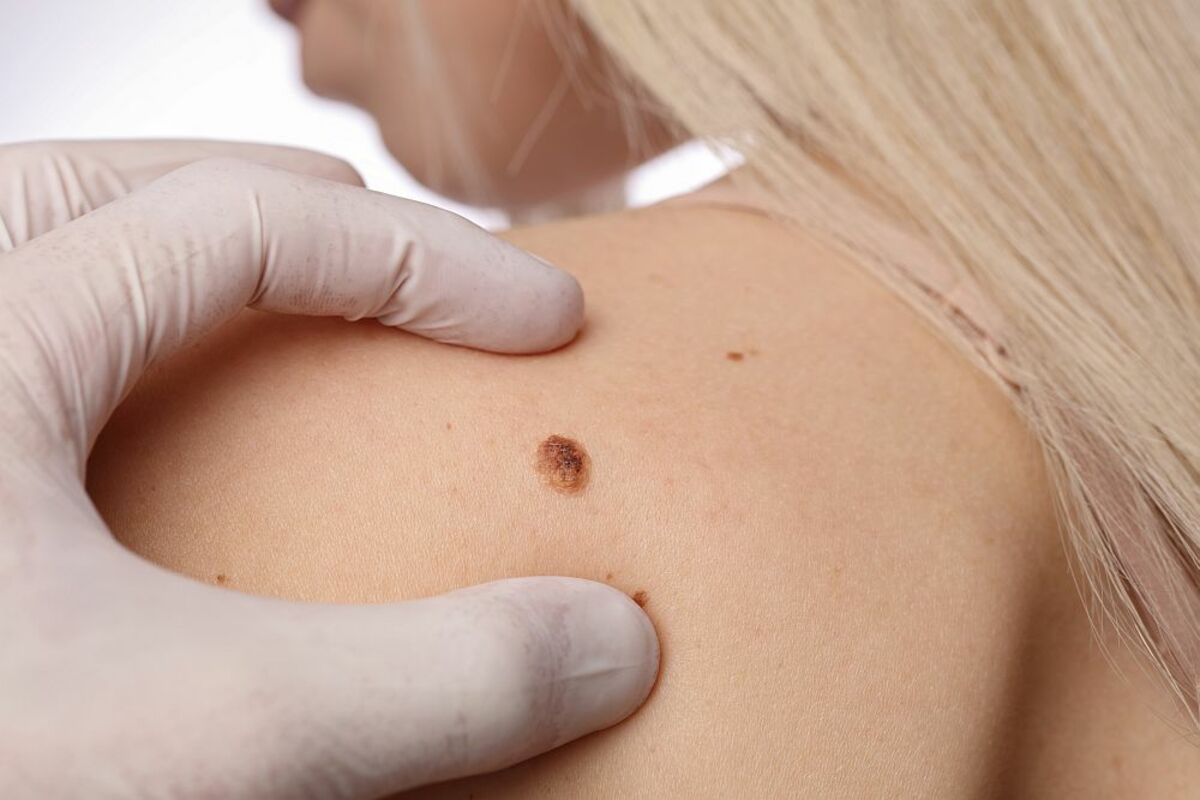

Skin tags are formed as a result of abnormal proliferation of skin cells. This proliferation normally occurs in the connective tissue under the skin. Skin tags are more common in areas of the body that are exposed to friction or pressure.
Causes of skin tag formation
Skin tags can form for various reasons. The main ones are:
Heredity: Some people may be prone to skin tags. Skin tags are more common in people with a family history.
Age: Skin tags become more common with age. They are especially common in people over the age of 40.
Hormonal changes: Pregnancy, menopause or hormonal treatments can trigger skin tag formation.
Trauma or friction: Skin tags can form in areas of the body that are exposed to friction or pressure.
Infection: Some infections can also cause skin tags to form.
Immune system disorders: Problems with the immune system can increase the formation of skin tags.
Symptoms and diagnosis of skin tags
Skin tags usually present with the following symptoms:
Appearance: They are skin-colored or slightly darker, soft, high protrusions.
Size: They usually range in size from 5 to 10 mm, but larger ones can also be seen.
Location: They often occur on the trunk, neck, arms and legs.
Pain and sensation: They are mostly painless and insensible.
Skin tags are usually recognized by their appearance. However, in suspicious cases, a definitive diagnosis can be made by examination by a doctor and, if necessary, by biopsy.
Types of skin tags
Skin tags are divided into various types according to their structure and characteristics:
Soft fibromas: They are the most common type of skin tags. They are skin-colored or slightly darker, soft, high protrusions.
Acrochordons: They are stalked, hanging skin tags, usually seen in the neck, armpit or groin areas.
Lipomas: They are soft and mobile skin tags composed of fatty tissue.
Dermatofibromas: They are hard and knotted skin tags.
Angiofibromas: They are reddish skin tags originating from blood vessels.
Nevus fibromatosus: They are congenital, brown, high skin tags.
Each type has its own characteristics and treatment approaches.
Treatment of skin tags
Treatment of skin tags is usually performed for cosmetic or functional reasons. Treatment methods are as follows:
Observation: Small, painless and cosmetically undisturbing skin tags usually do not require any treatment and are only kept under observation.
Cryotherapy: The tissue of the skin tag is destroyed by freezing.
Laser treatment: Skin tags are destroyed using high-energy rays.
Surgery: Large or disturbing skin tags can be removed by surgery.
Injection therapy: Corticosteroid injections can be used to reduce the size of skin tags.
The treatment method is determined by the type of skin tag, its size, location and the patient's preferences. A specialist dermatologist will recommend the most appropriate treatment option.
How to get rid of skin tags
Skin tags usually do not go away on their own. However, the following precautions can prevent or reduce the formation and growth of skin tags:
Sun protection: Exposure to UV rays can trigger the formation of skin tags. Using sunscreen and avoiding the sun is important.
Light massage: Regular light massage can slow the growth of skin tags.
Healthy diet: A diet rich in vitamins and minerals can strengthen the immune system and prevent skin tags.
Stress management: Stress can increase the formation of skin tags. Stress management with yoga, meditation or breathing exercises is important.
Regular checkups: Periodic skin examinations are important for early diagnosis and appropriate treatment.
 Call
Call
 Whatsapp