


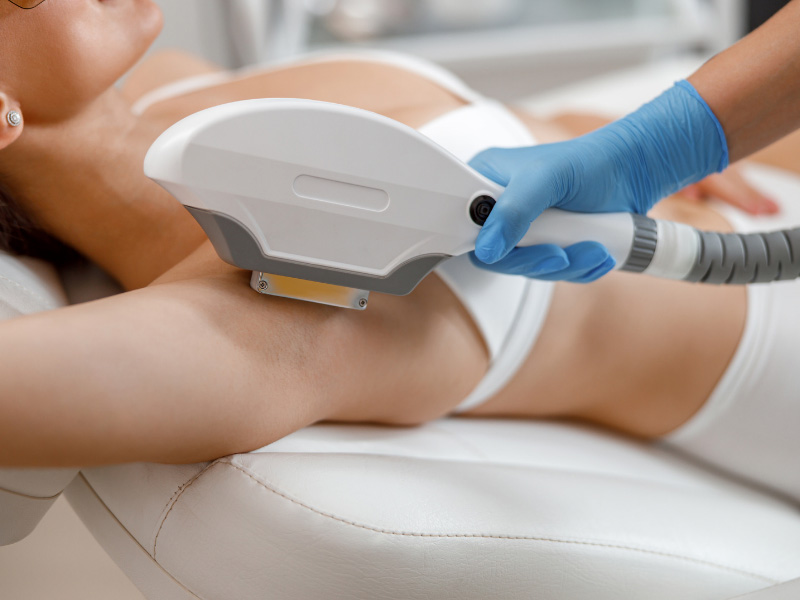

Laser hair removal is a popular method today for getting rid of unwanted hair. However, although rare, laser burns may occur as one of the side effects of laser hair removal. In this article, we will discuss what laser burns are, how they occur, and how they can heal. We will also examine important points to consider in the treatment of laser burns.
What Are Laser Burns?
Laser burns are skin injuries that occur due to the intense light energy the skin is exposed to during laser hair removal. These burns may present with symptoms such as redness, swelling, or blistering on the surface of the skin. In most cases, they are classified as mild burns and can be managed with proper care and treatment.
Laser burns may vary depending on the skin type and the settings of the laser device. Individuals with sensitive skin types may be more prone to such burns. Therefore, evaluating the skin type and the expertise of the practitioner before laser hair removal is very important.
In large cities such as Ankara, laser hair removal applications are quite common. Although professional clinics perform these procedures safely, side effects may still occur in rare cases. For this reason, it is important to be careful before and after the procedure.
Side Effects of Laser Hair Removal
Although laser hair removal has many advantages, some side effects may also occur. These effects are generally mild and temporary, but it is important to approach them consciously. Common side effects include:
- Redness and Swelling: Redness and mild swelling may occur after the procedure, usually subsiding within a few hours.
- Skin Sensitivity: The skin may become more sensitive after laser treatment, making it more reactive to external factors.
- Pigmentation Changes: Temporary changes in skin color may occur, especially in darker skin tones.
Procedures performed in expert centers such as Ankara Life Polyclinic help minimize these side effects. However, since each individual’s skin type is different, results may vary.
If side effects worsen or persist for a long time after laser hair removal, it is advisable to consult a specialist so that an appropriate treatment plan can be applied quickly.
How Do Laser Burns Occur?
Laser burns usually occur due to incorrect laser settings or improper skin preparation. Laser devices have different settings for each skin type, and these settings must be optimized based on the skin’s color, thickness, and sensitivity.
If incorrect settings are used, excessive energy may be delivered to the skin, leading to burns. In cities like Ankara, where laser hair removal is popular, experienced specialists take necessary precautions to avoid such errors.
In addition, proper skin preparation before the procedure is essential. Not cleansing the skin properly or being exposed to the sun before treatment can increase the risk of burns. Therefore, paying attention to skincare before and after laser hair removal is crucial.
How Do Laser Burns Heal?
There are several methods to manage and heal laser burns. The following steps can help support the skin’s recovery process:
- Cold Compress: Applying a cold compress can help reduce redness and swelling caused by the burn. Cooling the area can also help decrease inflammation.
- Moisturizing Creams: Using moisturizers can help maintain the skin’s hydration and support the healing process.
- Sun Protection: Protecting the skin from sunlight after a burn is essential. Using high-SPF sunscreen can help prevent further damage.
These methods can help alleviate the effects of laser burns. However, if the burns are severe or do not heal on their own, seeking professional help from a dermatologist is the best option.
Important Considerations in the Treatment of Laser Burns
There are several important points to consider during the treatment of laser burns. These precautions help the skin heal faster and prevent further damage:
- Seek Professional Advice: Depending on the severity of the burn, consulting a specialist is the best step. Experts can determine the most suitable treatment for your skin type.
- Avoid Chemical Products: The skin becomes sensitive after a burn, so products containing harsh chemicals should be avoided.
- Do Not Irritate the Skin: Avoid scratching or irritating the affected area, as this can negatively affect the healing process.
It is important to remember that each individual’s skin is different, and the healing process may vary from person to person. Therefore, consulting a specialist is essential to determine the most appropriate treatment approach.
 Call
Call
 Whatsapp