


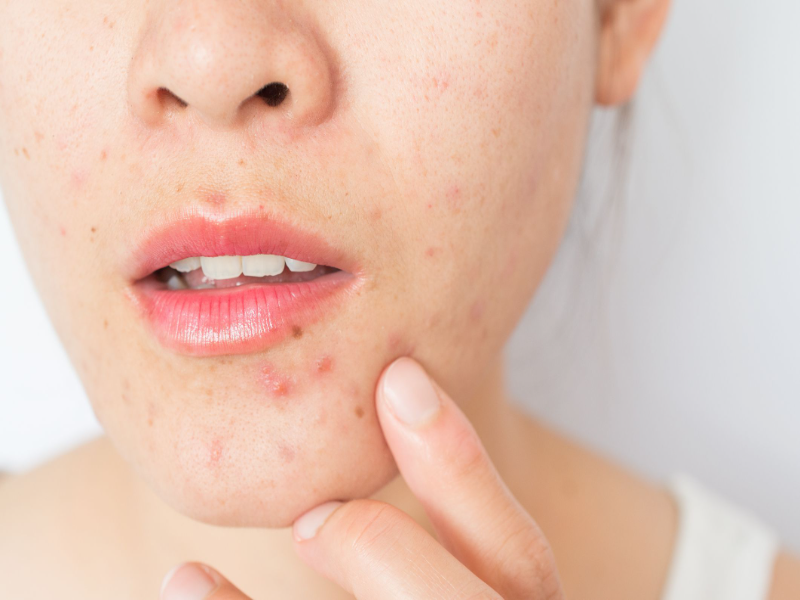

Aftercare following acne scar treatment is important for supporting skin recovery and reducing avoidable irritation after the procedure. The exact care routine depends on the treatment performed, the condition of the skin, and individual healing response.
Different procedures may require different aftercare instructions. For this reason, recommendations given by the professional performing the treatment should be followed throughout the recovery period.
What Is Acne Scar Treatment?
Acne scar treatment includes different procedures intended to reduce the visible appearance of scars that remain after acne.
Methods may include laser procedures, chemical peels, microneedling, microdermabrasion, and other treatments depending on the type and depth of the scars.
Each method has different potential benefits, limitations, side effects, and recovery periods.
Selected Ankara Laser procedures may support controlled skin remodeling and improve the appearance of certain acne scars. However, the effects depend on the specific technology, treatment settings, scar type, and individual skin characteristics.
Before treatment, professional assessment can help determine which approach may be more appropriate.
Why Is Aftercare Important Following Acne Scar Treatment?
Aftercare is an important part of the recovery process.
Depending on the procedure, the skin may temporarily become more sensitive, dry, red, swollen, or irritated.
Gentle care during this period can help support the skin barrier and reduce unnecessary irritation.
During the first few days, harsh cleansers, exfoliating products, and other potentially irritating ingredients may need to be avoided.
Appropriate moisturization and sun protection may also be recommended according to the treatment performed.
Aftercare can support recovery, but it cannot guarantee a particular treatment result or prevent every possible side effect.
What Can Be Expected After Acne Scar Treatment?
Temporary skin changes may occur after treatment.
Redness, mild swelling, warmth, tenderness, dryness, or a mild burning sensation may develop depending on the procedure.
These effects often improve gradually, although their duration varies according to treatment intensity and individual skin response.
Visible improvement in acne scars may also develop gradually. Some treatments stimulate skin remodeling that continues over several weeks or months.
For this reason, final results should not always be expected immediately after treatment.
Regular follow-up may help evaluate recovery and determine whether additional sessions are appropriate.
Skin Care Routine After Acne Scar Treatment
The appropriate skin care routine depends on the procedure performed, but several general principles may apply.
1. Cleansing
The skin should generally be cleansed gently according to professional instructions.
Harsh cleansers, scrubs, and exfoliating products may need to be temporarily avoided.
2. Moisturizing
An appropriate moisturizer may help support the skin barrier and reduce dryness or tightness.
The product should be selected according to skin type and the treatment performed.
3. Sun Protection
Recently treated skin may be more sensitive to ultraviolet exposure.
Broad-spectrum sunscreen and limiting excessive direct sun exposure may therefore be recommended.
Sun-protection instructions should be followed according to the treatment area and recovery process.
Choosing Skin Care Products After Acne Scar Treatment
Skin care products should be selected carefully during the recovery period.
Soothing Products
Gentle products designed for sensitive or recovering skin may be considered.
Natural ingredients such as aloe vera or botanical extracts are not automatically suitable for every person and may occasionally cause irritation.
Moisturizers
Fragrance-free or non-irritating moisturizers may be preferred depending on skin type.
Water-based formulations may be suitable for some individuals, while others may require richer barrier-supporting products.
Active Ingredients
Retinoids, exfoliating acids, vitamin C, benzoyl peroxide, or other active ingredients may need to be temporarily discontinued after some procedures.
The appropriate time to restart them depends on how the skin is healing and the treatment performed.
The Role of Nutrition After Acne Scar Treatment
A balanced diet can support general health and normal skin function during recovery.
Fruits, vegetables, whole grains, protein sources, and healthy fats may be included as part of a balanced eating pattern.
Foods containing omega-3 fatty acids can also be part of a healthy diet.
Adequate hydration supports normal body functions and overall health.
However, specific foods or increased water intake should not be considered a direct method for accelerating acne scar removal or skin remodeling.
What Should Be Avoided After Acne Scar Treatment?
Certain products and activities may need to be temporarily avoided after treatment.
Exfoliating Products
Strong peels, scrubs, retinoids, or exfoliating acids may irritate recently treated skin.
The appropriate time to restart them should be determined according to professional advice.
Very Hot Water
Very hot showers, saunas, steam rooms, or excessive heat may increase temporary redness or sensitivity after some procedures.
Makeup
Depending on the treatment, makeup may need to be avoided for a short period while the skin barrier recovers.
The timing varies according to the procedure, so individualized instructions should be followed.
Excessive Sun Exposure
Excessive ultraviolet exposure may increase irritation or contribute to pigmentation changes in recovering skin.
Sun protection is therefore particularly important after many acne scar treatments.
The recovery process after acne scar treatment varies from person to person and according to the procedure performed. Gentle skin care, appropriate sun protection, avoiding unnecessary irritation, and following professional aftercare instructions can help support the skin during healing.
 Call
Call
 Whatsapp