


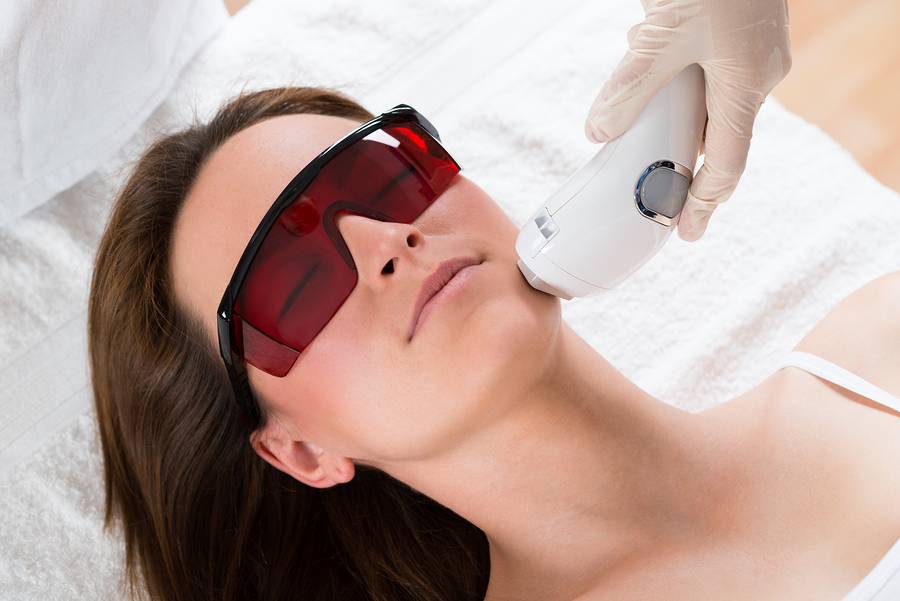

Laser burns can cause different skin damages depending on their degree. While mild burns are usually temporary and heal in a short time, more severe burns can cause permanent skin damage. Therefore, it is extremely important to seek professional support in laser applications and to meticulously apply safety precautions.
Factors that Cause Laser Burns
Various factors play a role in the formation of laser burns. The main ones are:
Incorrect Laser Settings: When the power, wavelength and application time of the laser device are not adjusted correctly, excessive heat can occur on the skin and cause burns.
Lack of Attention During Application: Failure to control the movements on the skin during laser application can cause burns.
Using Lasers Not Suitable for Skin Type: Laser applications performed without considering the person's skin type and color can cause burns.
Highly Sensitive Skin: Some people's skin may be more sensitive to laser beams. In this case, lower-power lasers or alternative treatment methods should be preferred.
Pre-existing Skin Problems: People with skin problems such as eczema, acne, and sunburn should be more careful when applying laser.
Symptoms of Laser Burn
Symptoms of laser burns vary depending on the degree of the burn. In mild burns, the following symptoms are usually seen:
Redness
Burning sensation
Swelling
Pain
In more severe burns, the following symptoms may occur:
Severe redness
Painful blisters
Skin peeling
Increased burning sensation
Risk of infection
Symptoms of laser burns usually appear within a few hours after the application. If the symptoms do not go away or worsen, a doctor should be consulted immediately.
How Does Laser Burn Occur After Epilation?
Laser applications performed for the purpose of epilation are the most common cause of laser burns. In particular, incorrectly adjusted laser devices or epilation procedures performed by inexperienced people can lead to serious laser burns.
During epilation, laser beams are concentrated on the hair follicles and create heat. If this heat spreads uncontrollably to the skin surface, it causes burns. In addition, the person's skin type and color also affect the severity of burns during epilation.
Laser burns after epilation usually manifest themselves as redness, swelling, pain and blistering. If such burns are not treated properly, they can lead to infection and permanent skin damage.
Laser Burn Treatment and Healing Process
The treatment of laser burns varies depending on the degree of the burn. The following methods are generally applied for mild burns:
Cold Application: Ice or cold water is applied to the burned area to relieve pain and swelling.
Moisturizers: Moisturizing creams are applied to the burned area to renew the skin.
Painkillers: Painkillers can be used to reduce burn pain.
The following treatment methods can be applied for more severe burns:
Antibiotic Creams: Creams containing antibiotics are used to reduce the risk of infection.
Wound Care: Blisters are burst and sterile dressings are applied.
Systemic Antibiotics: In severe burns, oral antibiotics may be given to prevent infection.
Cream Treatment: The skin is renewed by applying restorative and moisturizing creams to the burned area.
The healing process varies depending on the degree of the burn. While healing occurs within 1-2 weeks in mild burns, it may take several months in more severe burns. Proper treatment and care play an important role in preventing permanent skin damage.
 Call
Call
 Whatsapp