


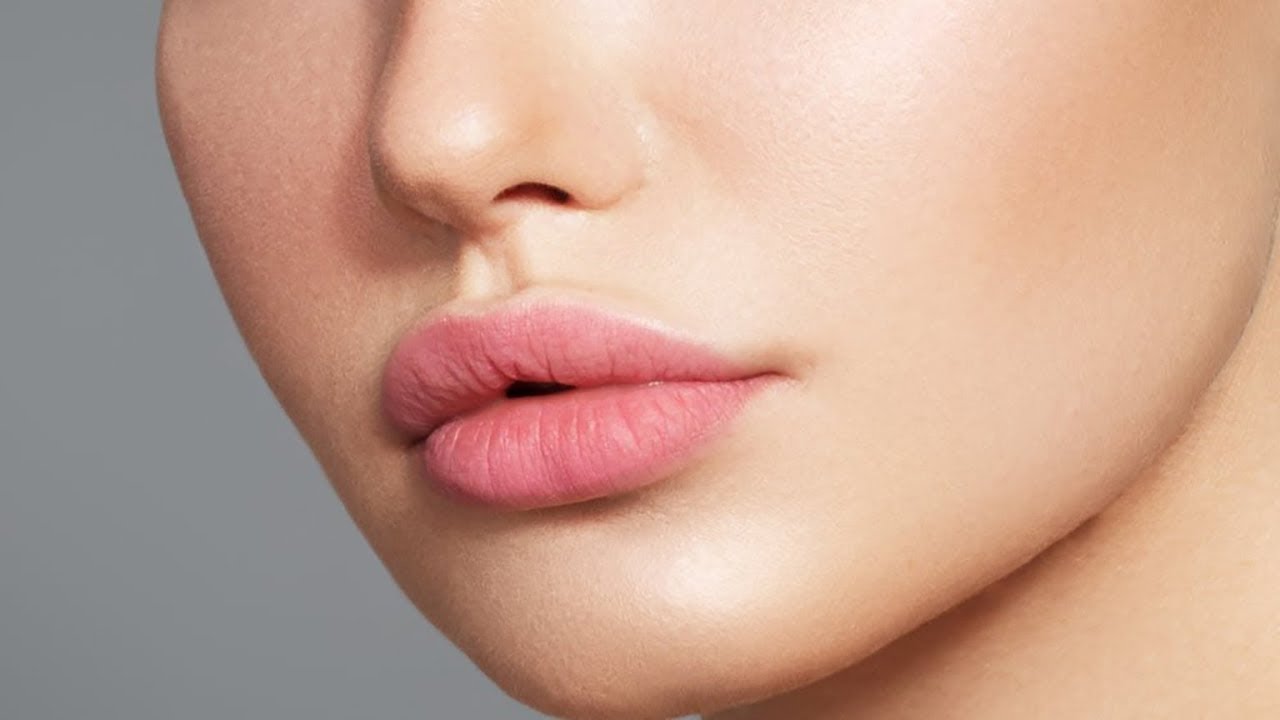

Lip filler edema is a common side effect after aesthetic lip filler procedure. Swelling and enlargement of the lips is considered a natural healing process, but it can sometimes be uncomfortable.
Lip filler edema is usually a temporary condition and goes away on its own within a few days. However, in some cases it may take longer or require additional treatment.
What Causes Lip Filling Edema?
Lip filler edema can occur for various reasons. The main reasons are:
Lip Filling Procedure: Fillers applied to the lips may cause swelling of the lips as a natural healing process. This condition is usually temporary and disappears within a few days.
Allergic Reaction: Some people may have an allergic reaction to the substances used for lip fillers. This may cause swelling of the lips and edema.
Infection: Infections that occur during the lip filling process can cause swelling and edema of the lips.
Trauma: Any blow or injury to the lips can cause lip edema.
Circulatory Problems: Poor circulation can cause swelling of the lips and edema.
Hormonal Changes: Hormonal changes, especially during pregnancy or menopause, can cause lip edema.
Lip Filling Edema Symptoms
Lip filler edema can manifest itself with various symptoms. The main symptoms are:
Swelling: Temporary swelling and enlargement of the lips
Redness: Lips appearing red or pink
Pain: Feeling of pain or tenderness in the lips
Tension: Lips feeling stretched and tight
Itching: Itching or burning sensation on the lips
These symptoms usually go away on their own within a few days. However, in some cases it may take longer or require additional treatment.
How Does Lip Filling Relieve Edema?
Lip filler edema usually goes away on its own. However, some methods can be applied to accelerate and relieve edema:
Cold Application: It is possible to reduce swelling by applying an ice pack or cold compress to the lips.
Antihistamine Drugs: Antihistamine drugs taken with a doctor's prescription can be effective in reducing edema.
Steroid Creams: Steroid-containing creams used with the recommendation of a doctor can reduce edema and inflammation.
Massage: Gently massaging the lips can help reduce edema.
Keeping it Elevated: Keeping the lips as high as possible can be beneficial in reducing edema.
Fluid Consumption: Consuming plenty of water and fluids can help reduce edema.
Painkillers: Painkillers taken with the recommendation of a doctor can reduce pain and discomfort.
These methods help reduce and relieve edema, usually within a few days. However, medical supervision is important against severe or prolonged edema.
Lip Filling Edema Treatment at Home
Some simple treatments that can be done at home are listed below:
Cold Application: It is possible to reduce edema by applying ice packs or cold compresses to the lips. Do this several times a day for 10-15 minutes.
Use of Painkillers: Use painkillers recommended by your doctor regularly. This will help reduce pain and discomfort.
Keeping it High: Keep your lips up as much as possible. This may be effective in reducing edema.
Massage: Try reducing edema by gently massaging your lips. However, avoid over-massaging.
Fluid Consumption: Consuming plenty of water and fluids can help reduce edema.
Cleansing and Care: Gently cleanse and moisturize your lips. Avoid excessive irritation.
These methods are generally effective in reducing edema. However, medical supervision is important against severe or prolonged edema.
Professional Lip Filling Edema Treatment
If your edema does not go away despite home treatments, professional medical intervention may be required. The doctor can treat edema using the following methods:
Steroid Injections: The doctor can reduce edema by giving steroid injections into the lips.
Antihistamine Medications: The doctor may prescribe antihistamine medications to prevent an allergic reaction that causes edema.
Antibiotic Treatment: If there is an infection, the doctor may prescribe antibiotic treatment.
Aspiration: The doctor can reduce edema by withdrawing the fluid from the swollen lip with a syringe.
Surgical Intervention: For severe or long-term edema, the doctor may also recommend surgical intervention.
Professional medical treatment helps reduce edema quickly and effectively. It is important to stay in regular contact with your doctor.
Lip Filling Edema Prevention Methods
Although lip filler edema is often an inevitable situation, it is possible to reduce edema by taking some precautions:
Consult Your Doctor: Consult your doctor before the lip filler procedure and get information about possible risks.
Prevent Allergic Reactions: If you are allergic to fillers, let your doctor know. It is important to choose the appropriate filler.
Avoid Infection: During the filling process
 Call
Call
 Whatsapp