



Peach fuzz refers to fine and usually colorless hair found especially on the face and arms. These hairs are generally considered undesirable for cosmetic reasons. So, why does peach fuzz fall out? These hairs may appear due to hormonal changes, genetic factors, or aging. For some individuals, they may become more noticeable and cause discomfort.
What Is Peach Fuzz and Why Does It Fall Out?
Peach fuzz is also known as vellus hair and can be found on various parts of the body. Everyone has these fine hairs, but they are more noticeable in some individuals. Genetic factors can influence the density and thickness of these hairs. For example, in some families, peach fuzz may appear darker and more prominent.
Hormonal changes also play an important role in the shedding or reduction of peach fuzz. During periods such as puberty, pregnancy, or menopause, hormone levels fluctuate. These changes can cause the hairs to become more visible or, in some cases, to shed. Additionally, certain health conditions and medications may also affect this process.
There are various methods available to reduce or remove peach fuzz. These range from natural solutions to professional treatments. However, the effectiveness of each method may vary from person to person, so careful evaluation is necessary.
How Does Peach Fuzz Fall Out?
There are many methods for removing peach fuzz. The effectiveness of these methods depends on the individual’s skin type, hair color, and hair density. Some common methods include:
- Natural Methods: Home remedies such as honey and lemon mixtures or turmeric masks may help thin the hair and support its reduction over time. However, these methods usually provide temporary results and require regular use.
- Waxing and Threading: These methods remove hair from the root, providing longer-lasting smoothness. However, since peach fuzz is very fine, these methods may not always be effective and can cause irritation on the skin.
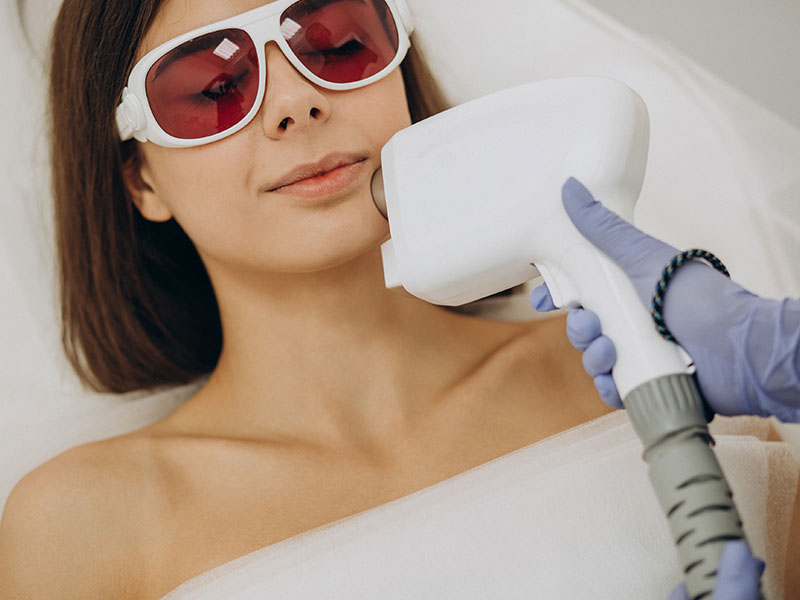
- Laser Hair Removal: One of the most popular methods for reducing peach fuzz. Laser beams target the hair follicles, weakening them and helping reduce hair growth over time. However, multiple sessions are required, and results may vary depending on the individual.
Which Laser Methods Should Be Preferred for Fine Hair?
When choosing laser methods for fine hair, several important factors should be considered. The individual’s skin type and hair color play a key role in determining the most suitable option. Here are some recommendations:
- Diode Laser: Can be effective on fine hair by targeting the hair follicles beneath the skin. It is often more suitable for individuals with lighter skin tones.
- Alexandrite Laser: More effective on darker hair but may have limited results on fine and light-colored hair. Therefore, proper analysis is required before choosing this method.
- Nd:YAG Laser: Suitable for individuals with darker skin tones, although it may be less effective on fine hair. However, it is often preferred due to its lower risk of skin sensitivity.
The most suitable laser method varies for each individual. Therefore, consulting a specialist to determine the best approach based on your skin and hair structure is important.
What Is Laser Hair Removal and How Does It Work?
Laser hair removal is a popular cosmetic procedure used to reduce unwanted hair. This method uses laser energy to target the hair follicles, weakening them and reducing hair growth over time. With regular sessions, hair regrowth may decrease significantly.
The working principle of laser hair removal is based on targeting the melanin pigment. Laser beams are absorbed by melanin and converted into heat, which weakens the hair follicles. For the treatment to be effective, hair must be in a specific growth phase.
Laser hair removal can be applied to various areas such as the face, legs, arms, back, and bikini area. However, since each individual’s skin and hair structure is different, results may vary. The number and duration of sessions are determined based on individual needs.
Types of Laser Hair Removal Applications
Laser hair removal applications may vary depending on individual needs and preferences. In large cities such as Ankara, many clinics and polyclinics offer different laser techniques. Ankara Life Polyclinic is one of the specialized centers in this field. Some common applications include:
- Full Body Laser Hair Removal: Applied to large areas and usually requires multiple sessions. Session intervals are adjusted based on the individual.
- Regional Laser Hair Removal: Targets specific areas such as the face, underarms, or bikini region, providing faster results.
- Customized Laser Treatments: Personalized applications based on skin sensitivity and hair density, allowing for safer and more effective outcomes.
Although laser hair removal is generally considered safe, there are important factors to keep in mind.
Things to Consider in Laser Hair Removal
There are important points to consider before and after laser hair removal to ensure safety and effectiveness:
- Skin Care: The skin should be clean and free of makeup before the procedure. After treatment, moisturizing and protecting the skin from sunlight are essential.
- Session Intervals: Regular sessions are necessary for effective results. These intervals are usually determined by a specialist and range between 4–6 weeks.
- Side Effects: Mild redness or swelling may occur after treatment, but these effects are usually temporary. If more serious side effects occur, a specialist should be consulted.
- Clinic Selection: It is important to choose a reliable and experienced clinic. Professional centers such as Ankara Life Polyclinic provide safe and effective services.
Laser hair removal is an effective method for reducing unwanted hair. However, since each individual’s skin and hair structure is different, results may vary. Therefore, obtaining accurate information and consulting a specialist is essential.
 Call
Call
 Whatsapp