


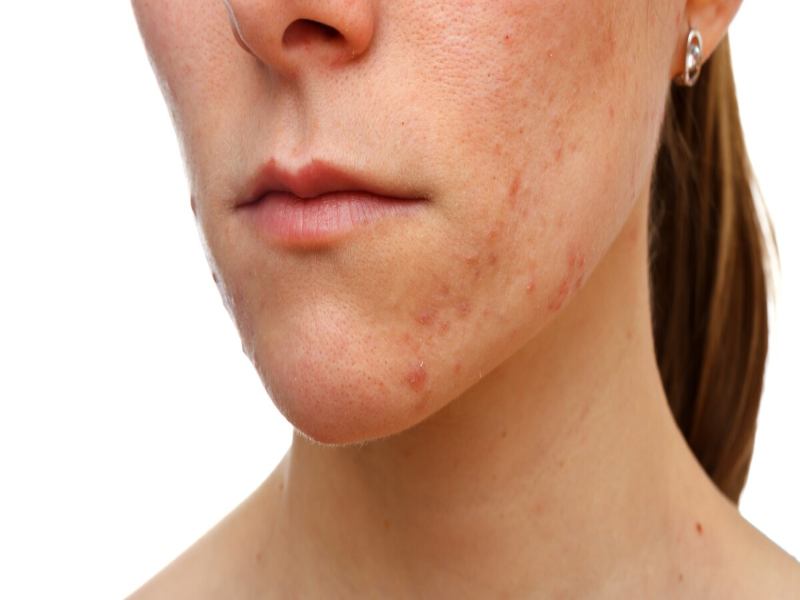

Laser scar treatment in Kızılay may be used to reduce the appearance of selected scars, stretch marks, or other textural and pigment-related skin irregularities. Laser Scar Treatment can target different scar characteristics depending on the laser technology used. It may be considered for selected acne scars, surgical scars, and other scar types, but results vary according to the individual condition.
Different lasers produce different controlled effects in the skin. Some target vascularity or pigmentation, while others create fractional or resurfacing effects associated with tissue remodeling. Ankara Laser treatment plans should therefore be individualized according to skin phototype, scar type, treatment depth, and expected recovery.
Treatment may involve one or several sessions. Visible improvement does not necessarily occur after every session, and changes may continue gradually over time. The primary aim is to improve selected scar characteristics rather than make the skin universally healthier or improve confidence in every individual.
Potential Advantages of Laser Treatment
Many laser scar treatments can be performed without conventional surgical scar excision. However, different lasers vary in their degree of invasiveness, recovery requirements, and possible complications. Ablative resurfacing, for example, deliberately removes or disrupts superficial skin layers.
Modern laser systems allow treatment parameters to be adjusted according to the target tissue. This can help limit unnecessary exposure of surrounding skin, but it does not mean surrounding tissue is completely unaffected or that side effects are always minimal.
Individualized settings may improve treatment suitability, but no analysis can determine a guaranteed number of sessions or ensure a specific result. The chosen laser, scar characteristics, and individual healing response are all important.
Stages of Recovery After Laser Scar Treatment
Recovery after laser scar treatment depends strongly on the type and intensity of the laser. Temporary redness, swelling, warmth, or sensitivity may occur soon after treatment. These effects may last a short period after mild procedures or longer after more intensive resurfacing.
Dryness, flaking, peeling, or crusting may occur after selected treatments. These reactions can be part of the recovery process but should not be interpreted as evidence that new healthy cells are replacing damaged cells or that the treatment has been successful.
Longer-term remodeling may continue for weeks or months. The final degree of improvement should therefore not be judged according to a fixed recovery schedule. Appropriate moisturization and ultraviolet protection may support normal healing when recommended.
What Should Be Considered During the First 24 Hours?
The first day after treatment may require specific care, but recommendations vary according to the laser. Cool compresses may sometimes be recommended for temporary swelling or warmth, provided they are used according to professional instructions.
There is no universal rule that the treated area must remain unwashed for exactly 24 hours. Some procedures allow gentle cleansing relatively early, while others require a different wound-care protocol. Cosmetic products should be restarted according to the specific treatment and skin condition.
Sun protection is important after many laser procedures. Recently treated skin may be more susceptible to ultraviolet-related irritation or pigment changes. Sunscreen use and physical protection should follow the clinician's instructions.
Expected Side Effects During Recovery
Temporary redness, swelling, warmth, burning, dryness, peeling, or sensitivity can occur after Laser Scar Treatment. Their intensity and duration depend on treatment depth, device, scar location, and skin phototype.
Crusting and peeling can also occur after selected procedures. These findings do not necessarily indicate that the skin is healing faster or that the treatment is working better. They should not be picked or aggressively removed.
Pigment changes, infection, prolonged redness, blistering, or scarring are less common but possible. These complications can occur even when a procedure is appropriately performed, although suitable patient selection, settings, and aftercare can help reduce avoidable risk.
Can Recovery Be Accelerated?
There is no single method that reliably accelerates biological healing after laser treatment. Appropriate moisturization may support the skin barrier when dryness is present, but keeping the skin continuously moist is not a universal requirement.
Balanced nutrition and adequate hydration support general health. Vitamins C and E have biological roles in normal tissue function, but eating more of these nutrients does not guarantee faster laser recovery or scar improvement.
Adequate sleep and stress management can support general well-being. They should not be presented as direct treatments that significantly accelerate skin remodeling after laser therapy.
Skin Care After Laser Treatment
Skin care should be adapted to the specific laser procedure. Gentle cleansing may be recommended once permitted, while some deeper treatments require a more specific wound-care routine.
Broad-spectrum sunscreen may help reduce ultraviolet exposure and post-treatment pigmentation risk. Application timing and reapplication should follow the product instructions and professional recommendations rather than one universal 30-minute rule.
Products should be selected according to skin tolerance and treatment type. It is more accurate to avoid irritating or unsuitable ingredients than to avoid products merely because they contain “chemicals.” Appropriate moisturizers and barrier-supporting products may be recommended during recovery.
 Call
Call
 Whatsapp