


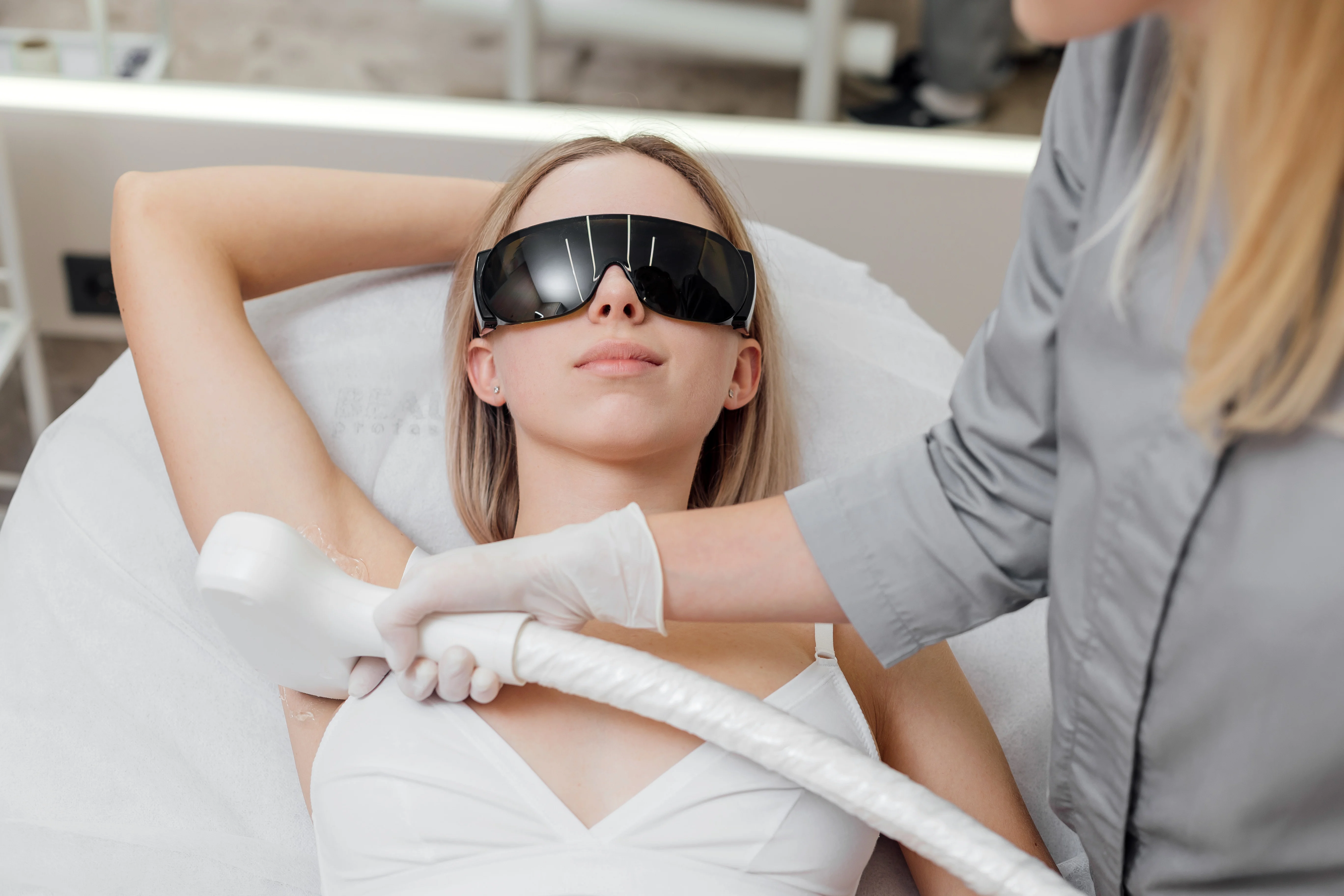

Ice laser hair removal is one of the most effective and modern methods used to eliminate unwanted hair. Ice laser hair removal targets the hair follicles without damaging the surface of the skin and helps permanently eliminate unwanted hair. In this article, we will examine the hair shedding process after ice laser hair removal in detail.
What Is Ice Laser Hair Removal?
Ice laser hair removal is a technology that targets hair follicles to provide permanent hair removal. Unlike traditional laser hair removal methods, it minimises discomfort on the skin through cooling technology. This technology cools the upper layer of the skin and provides a more comfortable and pain-free hair removal experience.
One of the greatest advantages of ice laser hair removal is that it is suitable for every skin type and hair colour. Unlike other methods, effective results may also be achieved in individuals with darker skin tones and lighter-coloured hair. It also provides a fast and effective treatment process, allowing large areas of the body to be treated within a relatively short period.
As a result, ice laser hair removal combines effectiveness and comfort. It is considered an ideal solution for individuals who want to eliminate unwanted hair and can provide long-lasting smoothness on the skin.
Advantages of Ice Laser Hair Removal
The advantages offered by ice laser hair removal explain why this method has become so popular. First, it generally causes less discomfort than other hair removal methods. Thanks to its cooling technology, possible irritation on the surface of the skin is kept to a minimum.
Second, this method is offered by many clinics in large cities such as Ankara and can provide fast treatment even on larger areas. This is particularly advantageous for individuals with busy lifestyles. Long-lasting results may be achieved after several sessions.
Finally, ice laser hair removal provides a long-term solution. It does not require frequent repetition in the same way as temporary hair removal methods. This can save both time and money. Since regular treatment can provide a permanent reduction in hair growth, it may also become a more economical option in the long term.
Hair Shedding Process After Ice Laser Hair Removal
The shedding of hair after ice laser hair removal generally takes place within a few weeks. A visible change may not be noticed immediately after the procedure. However, the treated hair follicles gradually weaken, and the hairs begin to shed over time.
This process may vary depending on factors such as the individual’s skin type, hair colour and hair thickness. Hair generally begins to shed after approximately two to three weeks and may disappear within around four to six weeks following the treatment. During this period, the skin gradually develops a smoother appearance.
There are several points to consider during the shedding process after ice laser hair removal. Keeping the skin moisturised is important to allow the hairs to shed naturally. Harsh exfoliating treatments that may irritate the skin should also be avoided. Following these recommendations can help the shedding process progress in a healthier and more comfortable manner.
Factors Affecting the Shedding Process
Many factors can influence the shedding process after ice laser hair removal. One of the most important factors is the person’s skin type. The shedding process may take longer in individuals with darker skin tones, while faster results may be observed in individuals with lighter skin.
Hair colour and thickness are also important factors affecting the shedding process. Darker and thicker hairs absorb laser energy more effectively and may shed more quickly. However, achieving results on fine and light-coloured hairs may require more time.
The number and frequency of sessions also directly affect the shedding process. When sessions are performed regularly and in sufficient numbers, a permanent reduction in hair growth may be achieved. For this reason, it is important to create a personalised treatment plan at a professional clinic.
Points to Consider After Ice Laser Hair Removal
Certain precautions should be taken after ice laser hair removal to protect skin health and support the shedding process. First, it is important to treat the skin gently after the procedure. Mild redness or sensitivity may occur. This is generally considered a normal reaction and usually subsides within a short time.
Direct sun exposure should also be avoided after the procedure. The skin may become more sensitive following laser treatment, and sunlight may cause pigmentation. When necessary, a sunscreen with a high protection factor should be used.
Hot showers, saunas and other hot environments should be avoided during the first few days after treatment. These environments may irritate the skin. Supporting the skin with moisturising creams may help maintain skin comfort and promote a healthier appearance during the shedding process.
Comparison of Ice Laser Hair Removal and Other Hair Removal Methods
Ice laser hair removal offers several advantages when compared with other hair removal methods. First, it is considered more effective in terms of providing long-lasting results. Hair takes longer to grow back, and permanent reduction may be achieved with regular treatment.
Methods such as waxing or epilating devices temporarily smooth the skin by removing hair from the root. However, these methods may be painful and may cause skin irritation. Ice laser hair removal provides a more comfortable process and minimises the risk of irritation.
Ice laser hair removal also saves time. Instead of continuously removing unwanted hair with traditional methods, long-lasting results may be achieved through a series of treatment sessions. This is a significant advantage, particularly for individuals with busy lifestyles.
How Do Session Frequency and Number Affect the Shedding Process?
The effectiveness of ice laser hair removal is directly related to the number and frequency of sessions. A treatment plan consisting of six to eight sessions is generally recommended. However, the required number may vary according to the individual’s skin and hair type.
The interval between sessions should be arranged according to the natural hair growth cycle. Sessions may be scheduled more frequently at the beginning of the treatment, while the intervals may be extended during the later stages. This process helps target hairs during the appropriate stages of their growth cycle and supports long-lasting smoothness.
Regular sessions performed under professional supervision can improve the success of the treatment and support the shedding process. It is therefore important to attend sessions on the recommended dates and avoid interrupting the treatment programme.
Skin Care After Ice Laser Hair Removal
Skin care after ice laser hair removal is important for protecting skin health and supporting the effectiveness of the treatment. First, the skin should be moisturised regularly. Moisturising creams help support skin renewal and maintain comfort during the shedding process.
The skin should also be protected from sunlight. Sun exposure may cause pigmentation on skin that has become sensitive following treatment. Using a sunscreen with a high protection factor every day can help protect the treated area.
The skin care routine should be supported with gentle products. Harsh exfoliants and products containing potentially irritating chemicals should be avoided. Gentle cleansers and soothing creams may help the skin maintain a healthier appearance.
Frequently Asked Questions About Ice Laser Hair Removal
1. Does ice laser hair removal cause pain?
Ice laser hair removal is performed with minimal discomfort thanks to its cooling technology. Most individuals may experience mild warmth or tingling during the procedure, but this sensation is generally not considered uncomfortable.
2. Which areas can be treated?
Ice laser hair removal can be safely used on many areas of the body. Common treatment areas include the face, underarms, legs, bikini area and back.
3. Can I see results immediately after the procedure?
Hair shedding may take several weeks following the procedure. A reduction may be observed after the first session, but regular sessions are required to achieve the intended results.
4. Can I receive ice laser hair removal treatment at clinics in Ankara?
Yes, many laser clinics in Ankara provide ice laser hair removal treatments. A reliable treatment process should be planned with qualified practitioners and appropriate technology.
5. How long does it take to achieve permanent results?
Permanent results are generally expected after approximately six to eight sessions. However, the duration and number of sessions may vary according to the individual’s skin type, hair structure and response to the treatment.
 Call
Call
 Whatsapp