


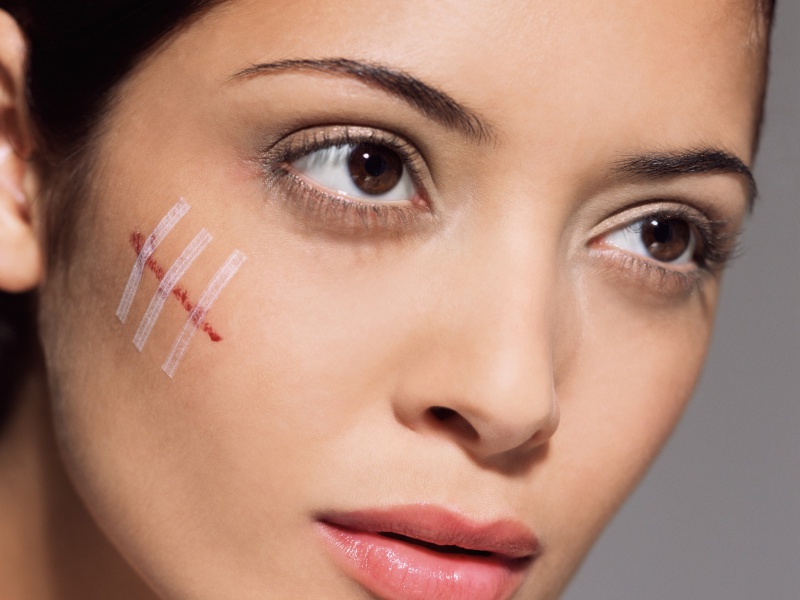

Scar treatment includes a range of procedures intended to reduce the visibility of scars and improve their texture, colour or associated symptoms. These methods combine dermatological knowledge with different medical technologies. Scar treatment generally aims to create a smoother and more even-looking skin surface, although complete removal of a scar cannot always be achieved.
Scars commonly develop after trauma, surgery, burns or certain skin conditions. Depending on their location, size and structure, they may cause aesthetic concerns, discomfort, itching, tightness or restricted movement.
Different methods may be considered according to the type, size and severity of the scar. Options include laser treatments, chemical peeling, microdermabrasion, injections and surgical procedures. Centres offering Ankara Laser applications may use different devices according to the scar’s characteristics and the individual’s skin type.
Successful scar treatment requires an individualised plan. Assessment by a dermatologist or plastic surgeon is important when selecting an appropriate method. Skin type, age, medical history, healing tendency and lifestyle factors may all influence the treatment and recovery process.
The Aims of Scar Treatment
One of the main aims of scar treatment is to reduce the visibility of the scar and help the individual feel more comfortable with its appearance. Noticeable scars may affect self-confidence and quality of life, particularly when they are located on visible areas of the body.
Treatment may also aim to make the scar blend more naturally with the surrounding skin. However, the realistic goal is usually improvement rather than complete restoration of the skin’s original appearance.
Another important aim is to reduce physical symptoms. Wide, raised or contracted scars may cause itching, tenderness, tightness or restricted movement. Scar, wound and stretch-mark treatments may therefore be planned to improve flexibility and comfort as well as appearance.
Every individual has a different skin structure and healing response. Treatment goals should consequently be determined according to the scar type, symptoms and personal expectations.
The Recovery Process After Scar Treatment
The recovery process following scar treatment varies depending on the procedure performed, the treatment area and the individual’s skin characteristics.
Mild redness, swelling, sensitivity, dryness or peeling may occur after procedures such as laser treatment, chemical peeling or microneedling. These reactions often decrease within several days, although deeper or more intensive treatments may require a longer recovery period.
Appropriate skincare and hygiene are important during recovery. Protecting the skin from sunlight and using products recommended by the treating specialist may support healing and reduce the risk of irritation or pigmentation changes.
Scar improvement usually occurs gradually. Collagen remodelling and tissue renewal may continue for several weeks or months after treatment. It is therefore important to remain patient and follow the recommended treatment and follow-up schedule.
Factors That Affect Recovery
Several factors may influence the recovery process after scar treatment.
General Health
Medical conditions that affect circulation, immunity or wound healing may delay recovery. Uncontrolled diabetes, active infection and certain immune system disorders should be discussed with the treating physician.
Smoking may negatively affect blood flow and tissue repair. Alcohol use and other lifestyle habits may also influence recovery depending on the procedure.
Skin Type and Age
Skin tone, sensitivity, thickness and tendency to develop pigmentation or keloid scars may affect treatment response. Age can influence collagen production and healing, but it is not the only factor determining the outcome.
Type and Intensity of Treatment
More intensive procedures generally require longer recovery. Surgical scar revision, deep chemical peeling and ablative laser procedures may involve greater downtime than superficial treatments.
Laser procedures are not all non-invasive, and they do not always provide faster results. Recovery depends on the type of laser, treatment depth and individual skin response.
Scar Characteristics
The age, depth, size, location and type of the scar influence both the treatment plan and the recovery period. Raised, depressed, pigmented and contracted scars may require different approaches.
Points to Consider After Scar Treatment
Several precautions should be followed to support healthy recovery.
Follow the Recommended Skincare Routine
Products prescribed or recommended by the specialist should be used according to instructions. New active ingredients should not be introduced without approval during the initial recovery period.
Protect the Skin from Sunlight
Recently treated skin may be more sensitive to ultraviolet radiation. Direct sun exposure should be limited, and broad-spectrum sunscreen should be used when the specialist permits its application.
Hats, protective clothing and shade can provide additional protection.
Keep the Skin Moisturised
A gentle, fragrance-free moisturiser may help reduce dryness and support the skin barrier. The most appropriate product depends on the procedure and the condition of the skin.
Avoid Irritating Products
Retinoids, exfoliating acids, alcohol-based products, abrasive scrubs and fragranced formulations may need to be paused temporarily.
Attend Follow-Up Appointments
Regular follow-up enables the specialist to monitor healing, evaluate the response and adjust the treatment plan when necessary.
Possible Problems During Recovery
Temporary reactions may occur after scar treatment.
Redness, swelling, tenderness, dryness and peeling are common after certain procedures. These effects often resolve gradually with appropriate aftercare.
Infection is uncommon but possible, particularly after procedures that disrupt the skin barrier. Increasing pain, warmth, spreading redness, discharge, fever or worsening swelling should be reported promptly.
Pigmentation changes may also develop, particularly after sun exposure or in individuals with darker skin tones. Consistent sun protection helps reduce this risk.
Some individuals may feel disappointed if immediate results are not visible. Scar treatment often requires several sessions, and tissue remodelling may continue long after the surface has healed.
Ways to Support the Appearance of Scars After Treatment
Additional care may help support recovery, but recommendations should be adapted to the procedure and scar type.
Moisturising and Barrier Care
Suitable moisturisers may soften dryness and improve comfort. Silicone gels or sheets may be recommended for certain surgical, hypertrophic or raised scars.
Scar Massage
Massage may help improve flexibility in selected mature scars. However, it should not be started immediately after every procedure. The wound must be fully closed, and massage should only begin when the treating professional confirms that it is appropriate.
Sun Protection
Protecting the scar from sunlight helps reduce the risk of darkening and colour differences. Sun protection should be continued consistently, especially during the first months after treatment.
Balanced Nutrition
Adequate protein, vitamins and minerals support normal wound healing and general skin health. However, individual nutrients such as vitamin C, zinc or omega-3 supplements should not be expected to remove scars directly.
Supplements should not be used in excessive doses or without medical guidance. A balanced diet is generally preferable unless a deficiency has been identified.
Methods Used in Scar Treatment
| Method | Description |
|---|---|
| Laser Treatment | Uses selected laser technologies to address redness, pigmentation or uneven scar texture. |
| Chemical Peeling | Exfoliates superficial layers of the skin and may improve mild pigmentation or surface irregularities. |
| Microneedling | Creates controlled microchannels to stimulate collagen remodelling in selected depressed scars. |
| Dermal Fillers | Temporarily raise certain depressed scars and improve surface contour. |
| Corticosteroid Injections | May help flatten and soften selected raised or keloid scars. |
| Surgical Revision | Removes or reshapes selected scars when other methods are not sufficient. |
The most appropriate method depends on the type and behaviour of the scar. Some individuals may require a combination of procedures rather than a single treatment.
In conclusion, recovery after scar treatment develops gradually and varies from person to person. Gentle skincare, sun protection, realistic expectations and regular medical follow-up are essential for supporting healing and maintaining treatment results.
 Call
Call
 Whatsapp