


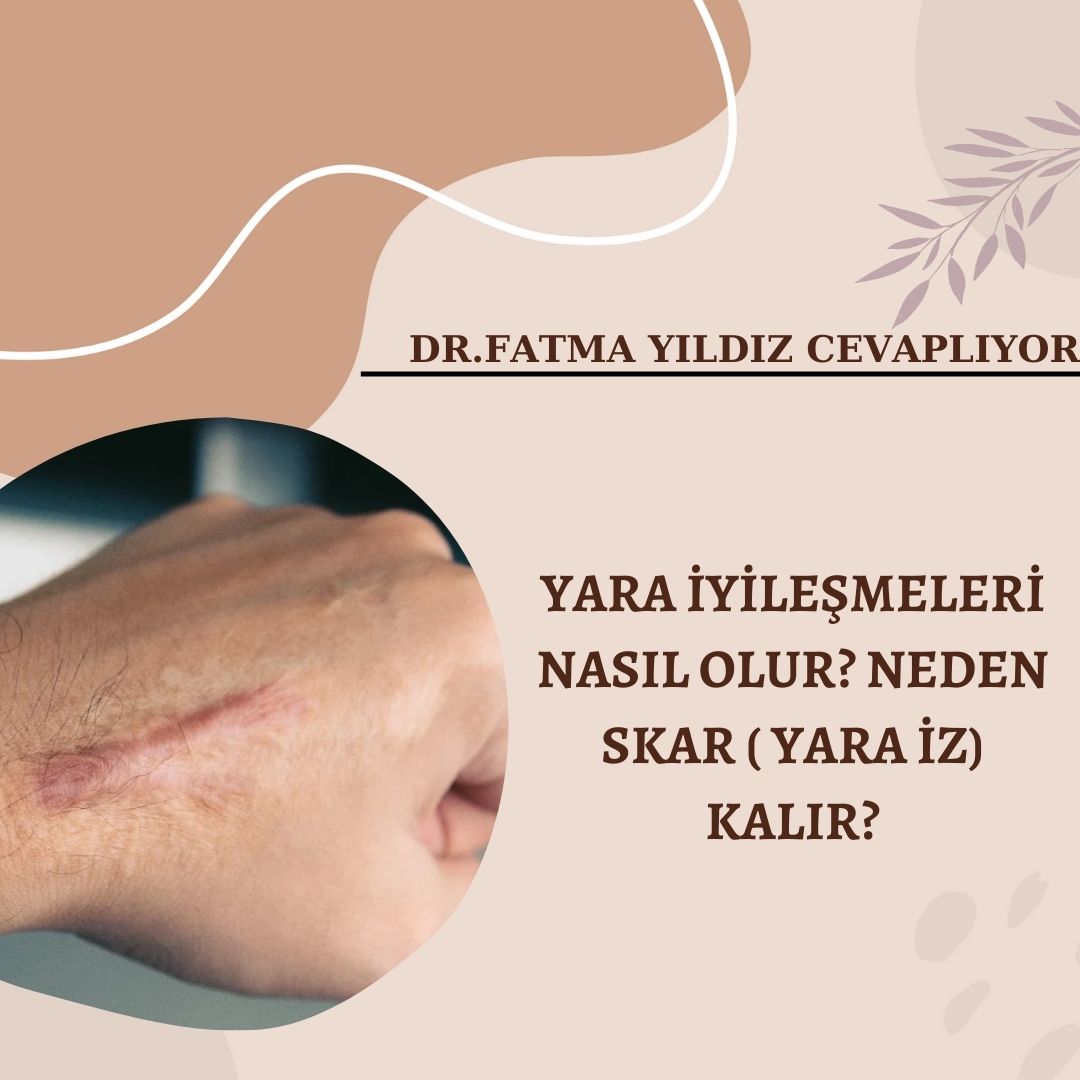

HOW DOES WOUND HEALING HAPPEN? WHY DOES A SCAR LEAVE?
When a wound occurs in our body, a series of biological processes are activated for the healing of this area. However, interestingly, while babies heal almost without leaving a scar while they are in the womb, wound healing in adults takes longer and usually leaves a scar. This is because the body's healing mechanisms work differently depending on age.
HOW DOES WOUND HEALING HAPPEN?
When a wound occurs in our body, a healing process begins that goes through four main stages:
STOPPING BLEEDING (HEMOSTASIS)
When the wound opens, the blood vessels are damaged and bleeding begins. The body immediately activates the clotting mechanism to stop this bleeding. Blood cells called platelets accumulate in the wound area and form a blood clot. This clot helps close the wound and is the first step in healing.
INFLAMMATION
When a clot forms, the immune system kicks in and sends white blood cells to the area to clean the wound. These cells kill microbes, reducing the risk of infection. In addition, the body sends signals that initiate the healing process, encouraging the production of new cells. During this stage, mild swelling, redness and pain may be felt.
PROLIFERATION
Once the risk of infection is eliminated, the body begins to work to create new tissue. New blood vessels develop, cells called fibroblasts produce collagen and the skin tissue is restructured. During this process, a scab forms and eventually falls off, revealing the new tissue underneath.
REMODELING
In the final stage, the new tissue in the wound area strengthens and takes shape. However, in adults, this process usually results in scarring because the collagen fibers are arranged randomly. In fetuses, the wound heals without leaving a scar because the collagen fibers are arranged regularly.
WHY DOES HEALING SLOW DOWN AS WE AGE?
As we age, the body can no longer repair wounds as quickly as it used to. There are several reasons for this:Slower Circulation: Blood circulation decreases as we age, which makes it harder for oxygen and nutrients necessary for healing to reach the wound area.
Weakened Immune System: The body becomes slower to fight microbes, which can increase the risk of infection.
Decreased Collagen Production: Collagen, which provides skin elasticity, decreases with age, which causes scars to become more visible.
Wound healing is a complex process and varies depending on age. While wounds in babies in the womb heal quickly and without leaving a scar, the process takes longer in adults and usually leaves a scar. Scientists are working to develop treatments that can reduce scars by imitating the healing mechanism in fetuses. In the future, when these mechanisms are better understood, new treatment methods can be developed that accelerate wound healing and prevent scars in adults.
 Call
Call
 Whatsapp