



Excessive sweating is known as hyperhidrosis in the medical literature and is defined as sweating more than normal. This condition occurs because the sweat glands of the body are overactive and usually concentrates in certain areas such as the hands, feet, armpits, and face. It can be a problem intense enough to negatively affect daily life.
Every person naturally sweats, and this is necessary for the body’s heat regulation. However, in the case of excessive sweating, the body produces more sweat than normal and causes physical and emotional discomfort in the individual. This condition can negatively affect social life, work performance, and self-confidence.
Hyperhidrosis is generally classified in two ways: primary and secondary. Primary hyperhidrosis is a condition usually caused by genetic factors and does not originate from a specific disease. Secondary hyperhidrosis, on the other hand, may be a symptom of another health problem, and the underlying cause must be identified in order to create an appropriate treatment plan.
Causes of Excessive Sweating
The causes of excessive sweating are quite diverse and may vary from person to person. Genetic factors, hormone imbalances, some medications, and underlying health problems may cause this condition. Especially hot weather, physical activity, and stress can increase the amount of sweating.
Genetic factors are one of the most common causes of excessive sweating. If there is a similar condition in your family, you are also more likely to experience this problem. Therefore, genetic predisposition should be checked through family history. Hormonal changes can affect the amount of sweating, especially during periods such as puberty, pregnancy, and menopause.
Excessive sweating may also be seen as a side effect of some medications. Especially antidepressants, blood pressure medications, and some diabetes medications may cause this condition. If you think that a medication you use has an effect on sweating, it is important to consult your doctor. Among underlying health problems, conditions such as thyroid problems, diabetes, and obesity can be counted.
How Is Excessive Sweating Treatment Performed?
Excessive sweating treatment varies depending on the severity of the condition and the underlying causes. The first treatment options generally include less invasive methods such as topical antiperspirants and oral medications. If results cannot be obtained with these methods, more advanced treatment options are evaluated.
Topical antiperspirants can control sweating by reducing the activity of sweat glands. Especially products containing aluminum chloride are commonly used in the treatment of excessive sweating. These products are usually applied at night before going to bed, and effective results can be obtained after regular use for a few weeks.
If topical treatments are not sufficient, your doctor may prescribe oral medications. These medications reduce the amount of sweating by preventing the stimulation of sweat glands. However, such medications may have side effects, and therefore it is important that they are used under doctor supervision. Among more advanced treatment options are sweating Botox and surgical interventions.
Sweating Botox Application
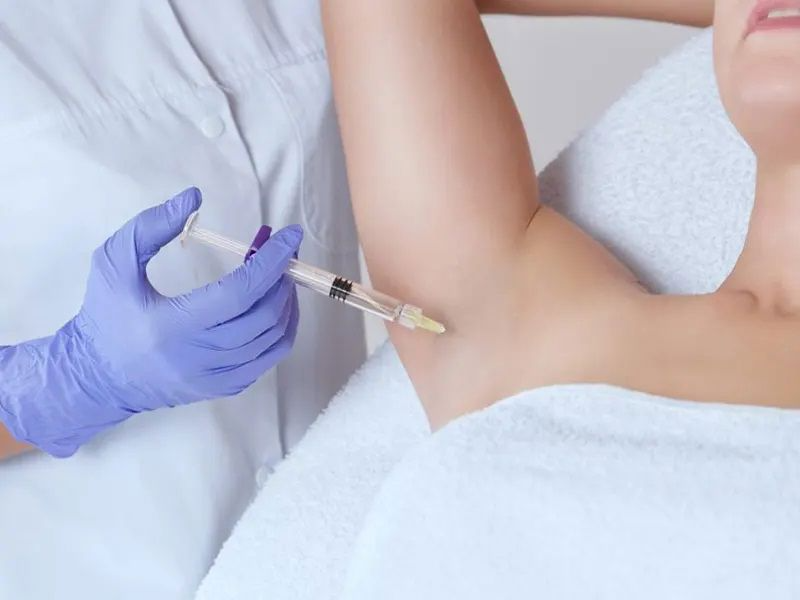
Sweating Botox stands out as an effective method in the treatment of excessive sweating. The substance called botulinum toxin reduces sweat production by blocking the nerve signals of sweat glands. This method gives effective results especially in areas such as the armpits, hands, and feet.
Botox application is generally a fast and painless procedure. Before the procedure, local anesthetic cream is applied to the area where the application will be performed, and possible discomfort during the procedure is minimized. The procedure time usually varies between 15-30 minutes, and the results remain effective for approximately 4-6 months.
One of the biggest advantages of Botox is that it does not require a surgical procedure and the healing process is fast. However, it should not be forgotten that this treatment does not provide a permanent solution and must be repeated at certain intervals. If you are considering sweating Botox application, you can get detailed information by consulting an expert dermatologist or plastic surgeon.
Things to Consider After Treatment
There are some important points to consider after excessive sweating treatment. First of all, it is recommended to avoid intense physical activities and hot environments for the first few days after the procedure. This may help the treatment area heal faster.
In the post-treatment period, it is important to pay attention to skin care. It is recommended to use soft and natural-content products to prevent irritation in sensitive areas. In addition, using moisturizer regularly to maintain the moisture balance of the skin may also be useful.
Finally, it is important to follow your doctor’s recommendations in order to increase the effectiveness of the treatment and achieve long-term results. If you notice any side effects or complications, you should contact your doctor without delay. Finding the right treatment method to solve the problem of excessive sweating can significantly improve your quality of life.
 Call
Call
 Whatsapp