


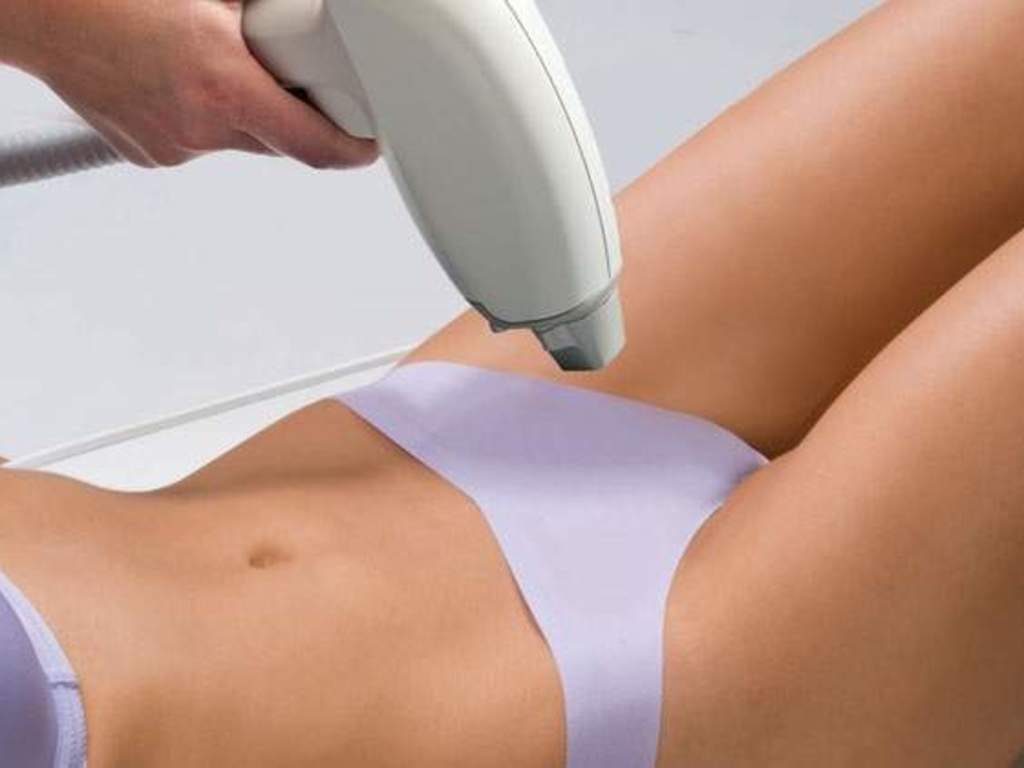

Genital laser hair removal is a procedure that uses laser technology to achieve long-term reduction of unwanted hair. It is commonly preferred by individuals seeking a more lasting solution in sensitive areas.
Laser energy targets the melanin pigment within the hair follicle. By affecting the follicle structure, the treatment helps reduce future hair growth over time.
One of the main advantages of laser hair removal is that it may provide longer-lasting reduction compared to traditional methods such as waxing or shaving. Instead of rapid regrowth, hair may become finer and less dense with repeated sessions. Additionally, the procedure is designed to target hair follicles without damaging the surrounding skin surface when performed correctly.
Because every individual has a unique skin tone and hair structure, a professional consultation before treatment is important to determine the most appropriate approach.
How Is Genital Laser Hair Removal Done?
Before the procedure, the treatment area is cleaned and hair may be trimmed if necessary. During the session, the laser device delivers controlled pulses of light to the skin.
A mild warming or tingling sensation may occur during treatment, but the procedure is generally well tolerated. The laser targets the hair follicles beneath the skin without harming the surface layer.
Multiple sessions are usually required to achieve noticeable long-term reduction. Session intervals vary depending on skin type, hair density, and individual response to treatment.
After the procedure, slight redness or sensitivity may appear temporarily. Avoiding sun exposure and using gentle moisturizers may support skin comfort during recovery.
Bikini Area Laser Hair Removal Process
Bikini laser hair removal is often performed as part of genital laser treatment. Due to the sensitivity of the area, careful planning is essential.
Before starting treatment, a personalized plan is created based on skin type and hair characteristics. This plan typically includes the number of sessions and recommended intervals.
During the procedure, laser energy penetrates the hair follicles to help reduce regrowth. Proper device settings are important to help minimize potential skin reactions while maintaining effectiveness.
After treatment, mild sensitivity may occur. Using gentle skincare products and avoiding harsh chemical products can support the healing process. Protecting the area from sun exposure in the days following treatment is also recommended.
Types of Laser Hair Removal and Their Features
Several laser technologies are commonly used in hair removal treatments:
Alexandrite Laser
Often suitable for lighter skin tones. Known for relatively fast application times.
Diode Laser
Capable of penetrating deeper into the skin and suitable for a broader range of skin tones. Commonly used for thicker, darker hair.
Nd:YAG Laser
Often preferred for darker skin tones. Designed to reach deeper hair follicles with reduced surface pigment interaction.
Choosing the appropriate laser type depends on skin tone, hair color, and treatment area. Professional assessment helps determine the most suitable option.
Session Duration and Intervals
Laser hair removal typically requires multiple sessions for noticeable long-term reduction. For genital areas, sessions are often scheduled approximately 6–8 weeks apart, although this may vary individually.
Session duration depends on the size of the treated area. For smaller areas such as the genital region, sessions often last around 20–30 minutes, though this can vary.
Maintaining recommended session intervals and following professional advice supports consistent treatment outcomes.
Laser Hair Removal in Ankara
Ankara offers various clinics and medical centers providing laser hair removal services. Many facilities operate with modern equipment and experienced professionals.
When selecting a clinic, it is helpful to consider practitioner experience, hygiene standards, and device quality. Comparing available services and treatment approaches may support informed decision-making.
Consultation sessions before treatment allow individuals to understand the process, discuss expectations, and receive personalized recommendations.
Before and Aftercare Guidelines
Before Treatment:
-
Ensure the skin is clean and free of makeup or skincare products.
-
Avoid waxing or tweezing for several weeks before treatment, as these methods remove the hair root needed for laser targeting.
After Treatment:
-
Treat the skin gently and avoid harsh chemical products for a few days.
-
Limit direct sun exposure and use sunscreen when necessary.
-
Apply gentle moisturizers to support skin comfort.
Following professional recommendations and maintaining proper care may help improve overall treatment consistency and comfort.
 Call
Call
 Whatsapp