



Laser hair removal has become one of the popular methods for getting rid of unwanted hair. While many people prefer this procedure, it is important to understand how the laser process is performed and what results it provides. In this article, we will answer the question of how laser application is performed, while also covering the basic principles, application processes, and safety precautions of laser hair removal.
What Is Laser Application?
Laser application involves targeting unwanted hair on the skin using light energy at specific wavelengths. This method weakens the hair follicles by targeting the melanin pigment and reduces regrowth. Laser technology provides effective results by using the contrast between the dark color of the hair and the skin.
Laser hair removal can be applied with different wavelengths depending on skin type and hair color. There is a suitable laser type for each skin type, making the procedure accessible to a wide range of people. However, results may vary from person to person, which is why professional evaluation is important.
This procedure is usually performed in professional clinics or healthcare centers. Places such as Ankara Life Polyclinic aim to provide safe and effective results with experienced specialists. In such centers, you can receive detailed information about pre- and post-treatment care.
Basic Principles of Laser Hair Removal
The basic principles of laser hair removal are based on sending light at a specific wavelength to the skin and having it absorbed by melanin. The absorbed light is converted into heat energy, which weakens the hair follicles.
- Melanin Targeting: Melanin is the pigment that gives hair its color. When the laser is absorbed by melanin, heat is generated in the follicle, weakening it.
- Hair Growth Cycle: Laser hair removal is most effective during the anagen (growth) phase. Therefore, multiple sessions are required since each hair is in a different growth stage.
- Skin Type and Color: Different skin types and hair colors require different laser types. For example, Alexandrite lasers are effective for lighter skin, while Nd:YAG lasers are more suitable for darker skin types.
These principles determine the effectiveness of laser hair removal and allow for a personalized treatment plan. Specialists determine the most appropriate laser type and treatment process for each individual.
How Is Laser Application Performed?
Laser application begins with a personalized plan based on the individual’s skin and hair type. Before the procedure, specialists evaluate your skin and select the most suitable laser type. This evaluation helps prevent unwanted side effects.
- Preparation: Before the procedure, the skin should be clean and free of makeup. Hair may need to be trimmed to an appropriate length.
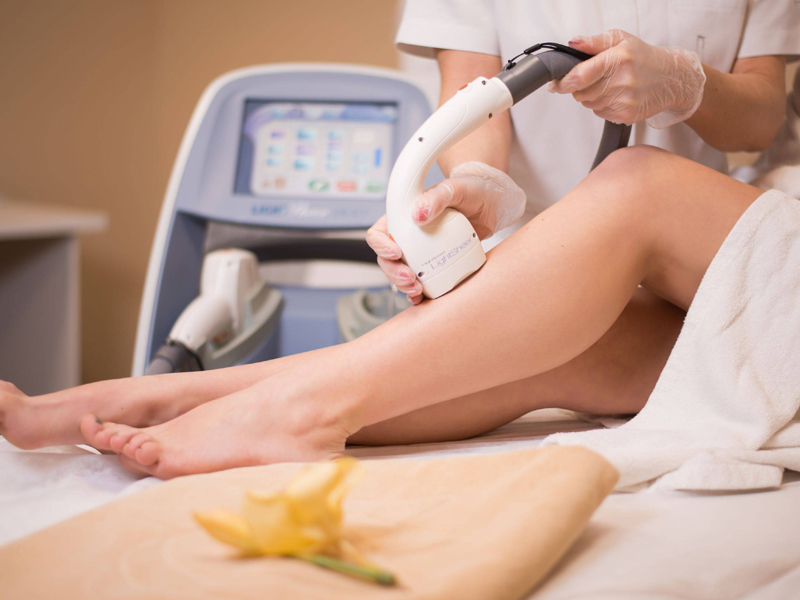
- Application Process: During the procedure, the laser device is applied to the skin, delivering short pulses of light. These pulses target and weaken the hair follicles. The session duration varies depending on the size of the treatment area.
- Aftercare: After the procedure, mild redness or a burning sensation may occur. This usually subsides within a few hours. Specialists may recommend moisturizers or cold compresses to soothe the skin.
The first session usually does not produce immediate visible results. Multiple sessions are required for effective outcomes. Many clinics in Ankara provide safe and effective laser applications with expert teams.
Laser Hair Removal Applications and Processes
Laser hair removal can be applied to different areas of the body, and each area may require a different approach.
Face Area
The face is one of the most sensitive areas for laser hair removal. Lower energy levels are usually used, and the procedure is performed carefully to avoid skin damage.
Arms and Legs
Hair in these areas is generally thicker and darker, making laser treatment more effective. Sessions may take longer, but results are more noticeable. Alexandrite or Diode lasers are commonly used.
Bikini and Underarm Areas
These areas respond well to laser hair removal. Hair in these regions is typically thicker and darker, increasing treatment effectiveness. However, due to skin sensitivity, proper aftercare is important.
Each area is treated according to the individual’s skin type and hair structure. Centers such as Ankara Life Polyclinic offer personalized services to improve treatment outcomes.
Things to Consider Before and After Laser Hair Removal
Taking certain precautions before and after laser hair removal helps achieve better results and protects skin health.
Before
- Avoid Sun Exposure: Do not sunbathe for at least four weeks before treatment. Tanned skin may reduce effectiveness and increase side effects.
- Avoid Creams: Do not apply perfumed or chemical creams before the procedure, as they may increase skin sensitivity.
- Trim Hair: Shave the hair before treatment but avoid waxing or tweezing, as these methods can weaken the hair root and reduce effectiveness.
After
- Moisturize: Keeping the skin hydrated helps soothe irritation.
- Use Sunscreen: Protect the treated area from sun exposure with high-SPF sunscreen.
- Avoid Irritation: Do not scratch or irritate the treated area; cold compresses can help relieve discomfort.
These precautions help increase the effectiveness of laser hair removal and protect skin health. Specialists may provide additional recommendations based on individual needs.
Safety Precautions in Laser Application
Laser hair removal is safe when performed correctly, but certain precautions must be taken.
Clinic Selection
Choosing the right clinic is essential for safe and effective treatment. Certified centers such as Ankara Life Polyclinic provide reliable services. These centers perform detailed skin analysis and create personalized treatment plans.
Equipment and Technology
The quality of the laser equipment affects the success of the procedure. FDA-approved devices meet high safety standards. Regular maintenance and calibration of equipment are necessary for effective treatment.
Practitioner Experience
The experience of the practitioner is critical for safety. Trained specialists evaluate your skin type correctly and select the appropriate laser, minimizing side effects.
Following these safety measures helps reduce risks and ensures effective results. When considering how laser application is performed, it is important to prioritize safety at every stage.
 Call
Call
 Whatsapp