


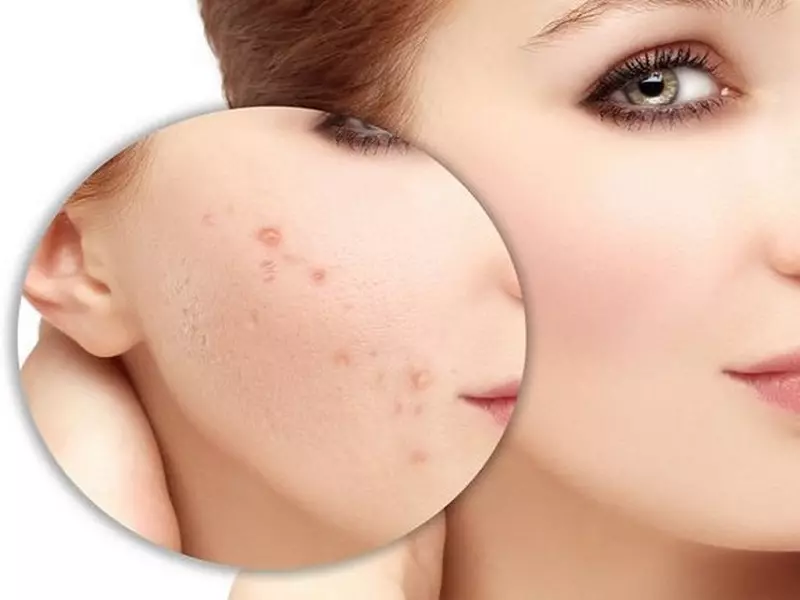

Various methods and technologies are available for pigmentation treatment in Ankara. These treatments can be adapted to individual needs depending on the type and cause of the pigmentation. Skin pigmentation may develop due to ageing, sun exposure, hormonal changes or acne. Particularly in a large city such as Ankara, modern clinics and specialist dermatologists offer different treatment options for these concerns.
When planning pigmentation treatment in Ankara, identifying the individual’s skin type is one of the first important steps. Each skin type may respond differently to treatment methods. For this reason, selecting an appropriate treatment plan plays a critical role in protecting skin health. The process includes the use of products and procedures suited to the person’s skin characteristics.
Skin pigmentation treatments in Ankara generally include methods such as laser procedures, chemical peeling and microdermabrasion. These approaches are used to reduce the appearance of pigmentation and create a more even skin tone. Receiving treatment under the supervision of a specialist dermatologist is important for achieving appropriate results.
The Relationship Between Skin Type and Pigmentation Treatment
Skin type is an important factor when planning pigmentation treatment. Skin pigmentation treatments should be personalised according to different skin types. Oily, dry, combination and sensitive skin may each respond differently to particular procedures. Understanding the individual’s skin type and preparing a suitable plan are therefore essential.
Oily skin generally produces more sebum, which may contribute to clogged pores and the development of acne marks. Treatment for this skin type often focuses on cleansing the pores and balancing sebum production. Dry skin, on the other hand, usually requires more moisturising and nourishing products.
Combination skin may be oily in certain areas of the face and dry in others. This requires a multifaceted treatment approach. Determining suitable procedures for each skin type is critically important for the success of pigmentation treatment.
Pigmentation Treatment Methods for Oily Skin
Oily skin requires a specific approach when planning pigmentation treatment in Ankara. Individuals with this skin type often experience enlarged pores and acne marks. For this reason, cleansing the pores and controlling sebum production are among the most important considerations during treatment.
Laser treatment may be an effective method for pigmentation concerns in oily skin. Ankara Laser applications may help remove dead skin cells from the surface while supporting a more even-looking skin tone. The treatment may also be planned to improve the appearance of pigmentation while maintaining the skin’s oil balance.
Chemical peeling is another method that may be recommended for oily skin. This procedure removes the upper layer of the skin and supports the formation of a fresher skin surface. It may also help control excess sebum and reduce the development of new marks when selected appropriately.
Pigmentation Treatment Options for Dry Skin
Dry skin requires additional care during pigmentation treatment. Moisturising products and procedures that minimise sensitivity should be preferred. Protecting the skin barrier and improving moisture levels are the primary goals when treating pigmentation in this skin type.
Microdermabrasion may be considered for pigmentation concerns in dry skin. This procedure gently exfoliates the upper layer of the skin, removes dead skin cells and supports a brighter appearance. It should also be combined with products that help improve the skin’s ability to retain moisture.
Laser treatments may also be applied carefully to dry skin. Device settings should be adjusted to reduce pigmentation without disrupting the skin’s natural moisture balance. A specialist dermatologist can help determine the most suitable treatment plan during this process.
Pigmentation Treatment Approaches for Combination Skin
Combination skin is one of the more challenging skin types in terms of pigmentation treatment. The presence of both oily and dry areas requires a multidimensional treatment plan. Different methods may need to be used on different areas of the face.
Pigmentation treatment in Ankara for combination skin generally involves regional treatment approaches. More active procedures may be preferred for oily areas, while gentler applications may be selected for dry areas. This is one of the most effective ways to maintain skin balance.
Chemical peeling and laser treatment may be used to reduce pigmentation in combination skin. However, both procedures should be applied according to the needs of the different areas of the skin. Receiving support from a specialist dermatologist helps achieve more appropriate results.
Special Pigmentation Treatments for Sensitive Skin
Sensitive skin requires the greatest level of care during pigmentation treatment. Every product and procedure used should be selected carefully to avoid damaging or irritating the skin. Products that strengthen the skin barrier and provide a soothing effect should be preferred when planning treatment.
Gentle peeling procedures and low-energy laser treatments are among the methods that may be considered for sensitive skin. These approaches aim to reduce the appearance of pigmentation without placing unnecessary stress on the skin. Ankara Laser treatments may also be applied with parameters specifically adjusted for sensitive skin.
Aftercare is particularly important for sensitive skin. Moisturising and soothing products should be used to support recovery, and factors that may irritate the skin should be avoided. A specialist dermatologist can prepare an appropriate treatment and aftercare plan according to the individual’s skin needs.
Points to Consider During Pigmentation Treatment
There are several fundamental principles to consider during pigmentation treatment. First, products suited to the individual’s skin type should be used throughout the process. Products that are not appropriate for the skin may negatively affect treatment and cause irritation.
Protection from sunlight is also extremely important. Sun exposure may darken existing pigmentation and contribute to the formation of new marks. For this reason, sunscreen should be used regularly, and direct sun exposure should be limited.
Finally, pigmentation treatment is a process that requires patience. Instead of expecting immediate results, individuals should follow the treatment plan and the specialist’s recommendations consistently. Those who want more information about pigmentation treatment in Ankara and wish to create a plan suited to their skin type should consult a specialist dermatologist. Appropriate treatment and regular skincare can support healthier and more evenly toned skin.
 Call
Call
 Whatsapp