


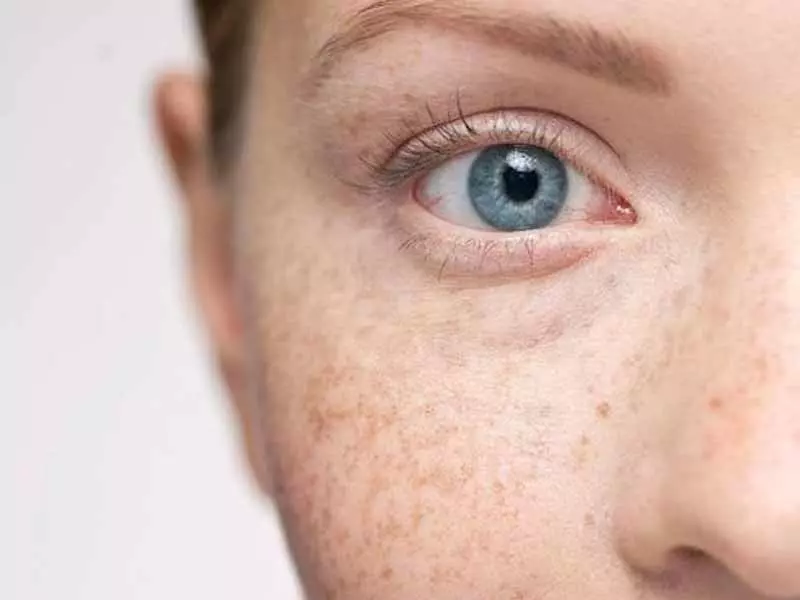

Pigmentation treatment in Ankara may be considered for individuals who want to improve the appearance of skin discoloration. These treatments can address concerns such as sun-related spots, age-related pigmentation, freckles, post-acne marks, and other forms of uneven skin tone. The effectiveness of treatment depends on selecting an appropriate method according to the type and cause of the pigmentation.
Skin pigmentation treatment is provided by various dermatology and aesthetic treatment centers in Ankara. The process generally begins with an assessment of the skin, pigmentation characteristics, medical history, and previous treatments.
Different approaches may be considered during treatment, including Pigmentation Treatments, Peeling Pigmentation Treatment, and selected Ankara Laser applications. The most appropriate method should be selected according to the pigmentation type, skin characteristics, and individual response.
Relationship Between Skin Type and Pigmentation Treatment
Skin characteristics can influence how pigmentation treatment is planned.
Different skin types may respond differently to active ingredients, chemical peels, laser procedures, and other treatments. For this reason, evaluating the skin before treatment is important.
Skin is often described as dry, oily, combination, or sensitive. However, treatment planning should not be based on these categories alone. Skin phototype, pigmentation tendency, sensitivity, medical history, and the type of discoloration should also be considered.
Dry skin may require additional attention to maintaining the skin barrier and hydration.
Oily skin may benefit from lightweight and non-comedogenic skin care products, although treatment for pigmentation should still be selected according to the pigmentation itself.
Combination skin may require different skin care approaches for different areas of the face.
Sensitive skin may require more cautious treatment settings and careful product selection to reduce unnecessary irritation.
An individualized professional assessment can help determine which approach may be more appropriate.
Common Methods Used for Pigmentation Treatment
Several methods may be considered for pigmentation concerns.
1. Chemical Peeling
Chemical peeling involves controlled exfoliation of the outer layers of the skin.
Depending on the type and strength of the peel, it may help reduce the appearance of certain superficial pigmentation concerns.
Peeling Pigmentation Treatment should be selected according to skin type, pigmentation characteristics, and individual sensitivity.
2. Laser Treatment
Selected Ankara Laser technologies may be used to target certain forms of pigmentation.
Laser treatment works by delivering controlled energy to selected targets within the skin. The appropriate device and settings depend on skin tone, pigmentation type, depth, and individual risk factors.
Laser procedures should not be described as providing “deep cleansing,” as their purpose is to target specific skin structures rather than clean the deeper layers of the skin.
3. Microdermabrasion
Microdermabrasion mechanically exfoliates the outermost layer of the skin.
It may be considered for selected superficial skin concerns, although it is not appropriate for every pigmentation type or every skin condition.
Each treatment has potential benefits, limitations, and side effects. For this reason, treatment selection should be individualized.
Planning Pigmentation Treatment According to Skin Type
Skin characteristics can help guide treatment planning, but they should be evaluated together with pigmentation type, depth, cause, and skin phototype.
Dry Skin
Possible Approach: Gentle pigmentation treatments combined with appropriate moisturizing and skin-barrier support may be considered.
What to Consider: Products and procedures that cause excessive dryness or irritation may need to be limited.
Oily Skin
Possible Approach: Treatment can be combined with lightweight skin care products suitable for oily or acne-prone skin when appropriate.
What to Consider: Pigmentation treatment should not be selected solely according to oil production. The type of pigmentation remains the main consideration.
Combination Skin
Possible Approach: Different areas of the face may require different skin care products or treatment intensities.
What to Consider: Treatment should be adjusted according to both pigmentation and regional skin characteristics.
Sensitive Skin
Possible Approach: More conservative treatment parameters or gentler skin care may be considered depending on the condition of the skin.
What to Consider: Chemical peels, laser treatments, and active ingredients should be selected cautiously because sensitive skin may be more prone to irritation.
These approaches provide general guidance, but professional assessment is necessary to determine the most appropriate treatment plan.
Before and After Pigmentation Treatment: What to Expect
Having realistic expectations before beginning pigmentation treatment is important.
Before Treatment
Preparation: Depending on the procedure, specific skin care products may need to be started, stopped, or adjusted before treatment.
Recent sun exposure, tanning, active skin irritation, medications, and previous procedures should also be discussed.
Expectations: Pigmentation treatment does not always produce immediate results. Some conditions may require several sessions or long-term management.
After Treatment
Skin Care: Gentle cleansing, appropriate moisturization, and sun protection may help support the recovery process.
Possible Reactions: Temporary redness, sensitivity, dryness, swelling, or peeling may occur depending on the procedure.
The duration and intensity of these effects vary according to the treatment method and individual skin response.
Post-treatment care may help maintain improvement, but it cannot guarantee that pigmentation will never recur.
What Should Be Considered During Pigmentation Treatment?
Several factors are important during pigmentation treatment.
Sun Protection
Ultraviolet exposure may contribute to new or recurrent pigmentation.
Broad-spectrum sunscreen, protective clothing, and limiting prolonged direct sun exposure may therefore be recommended during and after treatment.
Appropriate Product Selection
Products should be selected according to skin type, sensitivity, pigmentation characteristics, and the treatment being performed.
Products that cause excessive irritation may worsen skin sensitivity and, in some individuals, contribute to pigmentation changes.
Professional Assessment
Professional evaluation can help determine which pigmentation treatment may be more appropriate according to skin characteristics and the underlying cause of the discoloration.
Ankara pigmentation treatment planning should therefore consider more than simply whether the skin is dry, oily, combination, or sensitive.
Skin phototype, pigmentation depth, pigmentation type, previous skin reactions, medical history, and treatment expectations should all be evaluated when creating an individualized treatment plan.
 Call
Call
 Whatsapp