


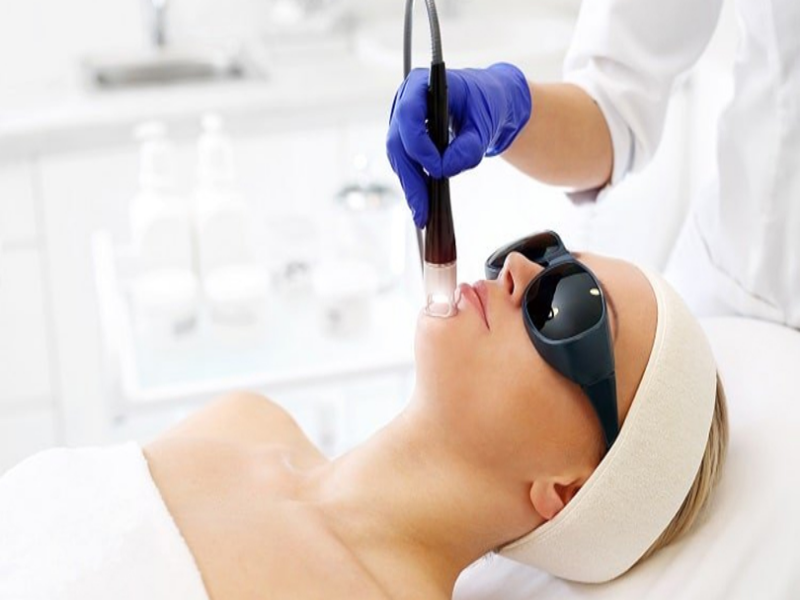

Q-Switch laser is one of the laser technologies used in dermatology for certain pigmentation concerns. It delivers specific wavelengths of energy to the skin in short pulses and aims to target areas of concentrated pigment. The procedure may help reduce the appearance of spots and support a more balanced-looking skin tone.
One of the main characteristics of these lasers is their ability to deliver high energy in very short pulses. This may create a controlled effect within the pigment. Different wavelengths available in Q-Switch laser devices may allow various pigmentation concerns and skin characteristics to be assessed.
Session duration and recovery after Q-Switch laser vary according to the treatment area, device settings and individual skin structure. Some people may return to daily activities quickly, while redness, sensitivity or crusting may continue for longer in others. Treatment should therefore be planned individually for every skin type.
Pigmentation Treatments and Their Importance
Pigmentation treatments include various methods used to reduce visible differences in skin colour. Skin pigmentation may be associated with sun exposure, hormonal changes, ageing or genetic factors. These spots may affect a person’s satisfaction with their skin appearance.
Pigmentation Treatments may support a more balanced-looking complexion by targeting differences in pigmentation. Options may include chemical peeling, microdermabrasion, topical products and laser procedures. Q-Switch laser is one of the methods that may be considered for certain pigmentation concerns, but it does not provide permanent or equal results for every type of spot.
Some skin spots are considered aesthetic concerns, while newly developed spots or those that change in shape, colour or size may require dermatological assessment. A dermatologist or qualified healthcare professional should therefore evaluate the skin before Q-Switch Laser Pigmentation Treatment is planned.
Identifying Skin Types
Skin type is one of the factors considered when planning pigmentation treatment. Every person’s skin structure is different, and the procedure should be selected according to skin tone, sensitivity and pigmentation characteristics as well as skin type. Skin is generally classified as normal, dry, oily, combination or sensitive.
-
Normal Skin: Although oil and moisture levels may be more balanced, the response to laser treatment still varies between individuals. Skin tone and pigmentation characteristics should be assessed before treatment.
-
Dry Skin: Dry skin with reduced moisture or barrier sensitivity may require barrier-supporting care before and after treatment. Settings used during Ankara Lazer procedures should be based on overall skin characteristics rather than dryness alone.
-
Oily Skin: Oily skin may be associated with acne and post-acne colour changes. Gentle cleansing before treatment is important, but oily skin alone does not increase or decrease the effectiveness of laser treatment.
-
Combination Skin: Areas such as the T-zone and cheeks may have different characteristics. Their sensitivity and pigment intensity may be assessed separately.
-
Sensitive Skin: Sensitive skin may react easily to environmental factors and skincare products. Treatment settings and aftercare should therefore be planned carefully.
Correctly assessing the skin type is an important part of planning Q-Switch Laser Pigmentation Treatment. Skin analysis may help determine the device, energy settings and aftercare plan.
Advantages of Q-Switch Laser Pigmentation Treatment
Q-Switch Laser Pigmentation Treatment may provide a targeted procedure for certain pigment concerns. Laser energy can be adjusted to target concentrated areas of pigment. However, temporary redness, sensitivity or changes in skin colour may occur in the surrounding skin.
The response and the time required to notice results vary from person to person. Some people may notice changes after the first sessions, while others may require several treatments. Redness, swelling, crusting or temporary pigment changes may occur afterwards, and the time required to return to daily activities depends on treatment intensity.
Q-Switch laser requires suitable patient selection and appropriate device settings. Its safety and possible benefits depend on skin tone, the type of pigmentation, medical history and practitioner experience. Professional assessment may help reduce possible risks.
Q-Switch Laser Treatment Planning According to Skin Type
The answer to how Q-Switch laser pigmentation treatment is planned according to skin type depends on individual assessment. Planning should consider natural skin tone, sensitivity, the type of pigmentation and previous procedures, not only whether the skin is dry, oily or normal.
-
Normal Skin: A standard procedure should not automatically be assumed to suit everyone with normal skin. Energy settings should be selected according to the type of pigmentation and the expected skin response. Aftercare may be supported with products suitable for the skin.
-
Dry Skin: Supporting the skin barrier and moisture balance before and after treatment is important. Energy levels are not selected according to dryness alone; skin tone, sensitivity and pigmentation characteristics are considered together.
-
Oily Skin: Gentle cleansing and assessment for active acne are important before treatment. The main purpose of Q-Switch laser is not to tighten pores or balance sebum production. Treatment should be planned according to the pigmentation concern.
-
Combination Skin: Sensitivity and pigmentation intensity may be assessed separately in different areas. Higher energy is not automatically required in the T-zone. Settings should be based on pigment characteristics and the skin’s response in each area.
-
Sensitive Skin: More controlled settings and suitable skincare products may be considered. However, using low energy should not be assumed to be completely risk-free or effective in every case. The plan may be adjusted by monitoring the skin’s response.
Working with a dermatologist or qualified healthcare professional is important when preparing a plan suitable for the skin type. Skin analysis may help determine the device, energy settings, session intervals and aftercare according to individual needs.
Points to Consider During Treatment
Several factors should be considered during Q-Switch Laser Pigmentation Treatment. Assessment before treatment and suitable aftercare are important for protecting the skin and supporting the achieved appearance.
-
Preparation Before Treatment: Skin type, natural skin tone and the characteristics of the pigmentation should be assessed in detail. Current medication, previous procedures and known sensitivities should be disclosed to the healthcare professional. Avoiding intense sun exposure may help reduce the risk of unwanted pigment changes.
-
Aftercare: The skin may become sensitive after laser treatment. Moisturising and soothing products suitable for the skin type may be used. Broad-spectrum sunscreen and protection from intense sunlight are important. The appropriate time to resume wearing make-up depends on treatment intensity and the condition of the skin.
-
Regular Follow-Up: Follow-up appointments may help assess the skin’s response and allow necessary adjustments to be made. Professional assessment should be obtained if unexpected or increasingly severe side effects occur.
Following the practitioner’s recommendations and making contact if an unusual reaction develops are important. Since the response varies between individuals, treatment should be monitored according to personal characteristics.
 Call
Call
 Whatsapp