


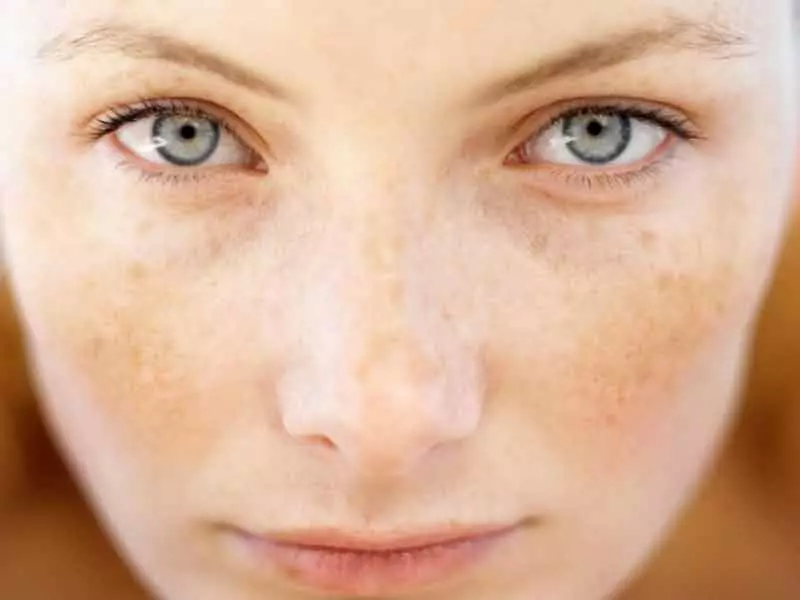

The effects of the sun on the skin may become more noticeable during the summer months. Sunspots are one of these effects. The answer to the question how sunspot treatment is planned according to skin type is important for selecting a procedure suitable for the person’s skin structure. This article discusses sunspots, their relationship with skin type and available treatment methods.
What Are Sunspots?
Sunspots are dark areas that develop when melanin production increases in certain parts of the skin. They may occur more frequently on exposed areas after prolonged sun exposure. Melanin production, one of the skin’s natural defence mechanisms against sunlight, may become concentrated in certain areas and cause visible pigmentation.
Sunspots are generally considered an aesthetic concern. Sunspots themselves do not directly mean skin cancer; however, prolonged and unprotected sun exposure may create risks for skin health. Spots that change in shape, colour or size should be assessed by a dermatologist.
Reducing the risk of sunspot formation is important for maintaining healthy-looking skin. Sunscreen, protective clothing and avoiding prolonged exposure during the strongest sunlight hours may help.
Effects of Sunspots on Different Skin Types
Skin type and skin tone may affect the formation and appearance of sunspots. Every person’s skin may respond differently to sunlight. Sun damage and colour changes may become noticeable earlier on light skin, while pigmentation may have different characteristics on darker skin tones.
Dry, oily, combination and sensitive skin may show different reactions to sun exposure. The skin’s moisture balance and barrier structure may influence sensitivity, but no skin type is completely resistant to sunspots. Different parts of combination skin may also require different care.
Using protection and skincare appropriate for the skin type may help reduce the risk of new spots developing and existing spots becoming darker. Accurate assessment of the skin type is important when selecting suitable products and treatment methods.
Skin-Type Analysis for Sunspot Treatment
One of the first steps in sunspot treatment is accurately assessing the skin type and the characteristics of the pigmentation. Each skin type may have different needs. Skin analysis may consider moisture, oil levels, sensitivity, natural skin tone and the skin’s response to sunlight.
A dermatologist or qualified healthcare professional may provide a reliable skin assessment. Suitable treatment methods can then be selected according to the skin structure and the characteristics of the pigmentation. This process is important not only for sunspots but also for evaluating general skin health.
Skin analysis is also important when selecting products used during treatment. Moisturising products may be preferred for dry skin, while lighter formulations may be suitable for oily skin. A plan appropriate for the person’s skin type may support the response and help reduce the risk of irritation.
Pigmentation Treatments: Which Methods May Be Effective?
Pigmentation Treatments include various methods intended to reduce the appearance of sunspots. These range from chemical peels to laser treatments. Each method has advantages and limitations, making it important to select an option suitable for the skin type and pigmentation.
Chemical peeling creates controlled exfoliation of the upper skin layer and supports skin renewal. It may be considered for certain superficial sunspots. The strength and ingredients used should be selected carefully for sensitive skin.
Laser treatment is one of the methods that may be considered according to the type and depth of the pigmentation. Procedures planned at Ankara Lazer aim to reduce the appearance of spots by targeting differences in skin pigment. Sun protection and recommended aftercare are important following laser treatment.
Microdermabrasion gently abrades the upper skin layer and may help reduce the appearance of certain superficial spots. According to the person’s skin structure, it may be considered alone or together with other procedures.
Skin Pigmentation Treatments: Home and Medical Options
Skin Pigmentation Treatments may be planned using professional skincare and medical methods. Products described as natural or homemade should not automatically be considered safe or effective. Acidic substances such as lemon juice may cause irritation, sensitivity and sun-related changes in skin colour.
Medical treatments require a detailed assessment. Creams and serums may help balance the skin tone and reduce the appearance of pigmentation. These products should be used under professional guidance according to their ingredients and the person’s skin structure.
Professional treatments may be supported by sun protection and skincare suitable for the skin type. Every product and method should be selected by considering skin sensitivity and the characteristics of the pigmentation.
Sunspot Treatment With Ankara Lazer
Ankara Lazer is an application setting where different laser technologies may be considered according to the type of pigmentation and the person’s skin structure. Laser treatment aims to reduce the appearance of spots by targeting concentrated pigment. The procedure may be planned according to the type and depth of the pigmentation.
The response to laser treatment may vary from person to person. Temporary redness, sensitivity or mild crusting may occur after the procedure. Sun protection and skincare suitable for the skin structure are therefore important.
Different centres in Ankara offer laser treatments. The device and procedure should be selected according to the person’s skin type and needs. The treatment plan may be adjusted by monitoring the skin’s response.
Points to Consider During Sunspot Treatment
Several important points should be considered when planning sunspot treatment. Protecting the skin from sunlight is important throughout the process. Sunscreen may help reduce the risk of new spots developing and existing pigmentation becoming darker.
Products and procedures used during treatment should be selected carefully. Products that are unsuitable for the skin structure may cause irritation and negatively affect the process. Professional guidance should therefore be considered when selecting products.
Regular skincare and moisturising may also support treatment. Gentle cleansing and maintaining the skin’s moisture balance may help support the skin barrier.
Products and Treatment Methods Suitable for Different Skin Types
Products and treatment methods used for pigmentation should be appropriate for the person’s skin type. Suitable choices may support the process and help reduce the risk of unwanted reactions. Points that may be considered include:
-
Dry Skin: Moisturising creams and serums that support the skin barrier may be preferred. The formulation should be selected according to individual needs.
-
Oily Skin: Lightweight products with a low likelihood of clogging pores may be considered. Gentle cleansers may be used.
-
Sensitive Skin: Products with limited fragrance and irritating ingredients may be considered. Peels and active ingredients should be used carefully.
-
Combination Skin: Different products may be selected for areas such as the T-zone and cheeks according to their individual needs.
Professional assessment may help determine suitable products and methods for each skin type. Accurate skin analysis supports the preparation of a treatment plan according to individual needs.
 Call
Call
 Whatsapp