



Intimate area grooming is an important part of personal care routines. There are several available methods, each with its own advantages and limitations. To answer the question “How is the intimate area hair removed?”, it is important to consider personal needs and skin type. In this article, we will review commonly used methods for intimate area hair removal.
The first step is deciding which method is most suitable for you. Options include using an epilator, waxing, shaving, and laser hair removal. Each method may produce different results depending on skin sensitivity and hair structure.
Maintaining hygiene during intimate area grooming is essential. Ensuring that all tools are clean helps protect skin health. Using proper techniques and following hygiene guidelines can help reduce irritation and unwanted side effects.
Using an Epilator in the Genital Area
Using an epilator in the genital area is a commonly preferred option for longer-lasting smoothness. Epilators remove hair from the root, which may slow down regrowth over time.
However, this method may cause irritation, particularly for sensitive skin. Preparing the skin beforehand and applying a suitable moisturizer afterward may help reduce discomfort.
Cleaning and maintaining the epilator device is also important. After each use, the epilator head should be properly cleaned to support hygiene. Regular maintenance and replacing attachments when necessary may improve performance.
During use, special care should be taken in sensitive areas. Adjusting the speed and pressure carefully may help reduce redness and irritation.
What Is Laser Hair Removal?
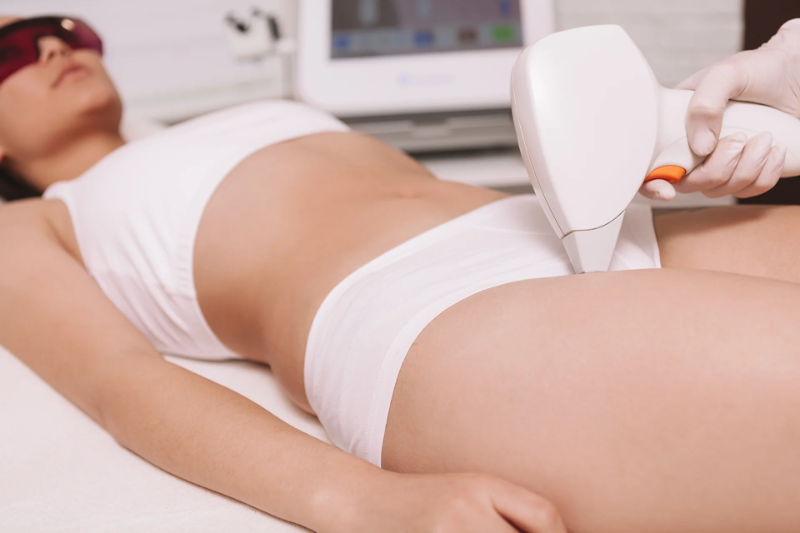
Laser hair removal is a medical aesthetic procedure used to reduce unwanted hair growth. The treatment works by delivering controlled laser energy that targets hair follicles. This process aims to gradually reduce hair growth over time.
One of the advantages of laser hair removal is that it may provide longer-lasting hair reduction compared to temporary methods. However, results can vary depending on skin tone, hair color, and hormonal factors. Individuals with darker hair typically respond more effectively to laser systems.
The procedure usually requires multiple sessions. Treatment intervals are planned according to the natural hair growth cycle and may differ from person to person. While many treatment plans include around 6–8 sessions, the exact number depends on individual evaluation.
Modern laser systems are designed to improve comfort during treatment. Mild redness or temporary sensitivity may occur afterward, but these effects are generally short-term.
Laser Hair Removal Services in Ankara
Ankara offers a variety of laser hair removal services through clinics and aesthetic centers. Treatments are typically provided by trained professionals using adjustable laser technologies suitable for different skin types.
Before undergoing treatment, it is advisable to evaluate the clinic’s hygiene standards and professional qualifications. Reviewing patient feedback and scheduling a consultation may help support an informed decision.
Clinics often provide guidance on pre- and post-treatment care. Following these recommendations may help support skin recovery and overall treatment effectiveness.
Types of Lasers and Their Effects
Different laser systems are used in laser hair removal procedures. The most common types include Alexandrite, Diode, and Nd:YAG lasers. Each operates with different wavelengths and may be selected based on skin tone and hair characteristics.
Alexandrite Laser:
Often preferred for lighter skin tones and darker hair. It may offer effective reduction with relatively quick application times.
Diode Laser:
Suitable for a broader range of skin tones and may be effective on denser hair growth areas.
Nd:YAG Laser:
Commonly used for darker skin tones. Its longer wavelength allows deeper penetration while aiming to maintain skin safety.
Consulting with a qualified professional before treatment helps determine which laser system is most appropriate for individual needs.
Session Duration and Frequency
The success of laser hair removal is closely related to session timing and frequency. A session may last between 15 minutes and one hour, depending on the size of the treatment area.
For smaller areas, treatment time is shorter, while larger areas may require more time. Sessions are typically scheduled approximately 4–6 weeks apart, depending on the hair growth cycle.
As hair growth slows over time, the interval between sessions may be adjusted. Following recommended aftercare instructions may help support skin health and overall results.
Laser Hair Removal at Ankara Life Polyclinic
Ankara Life Polyclinic provides laser hair removal services using modern technology and individualized treatment planning. Prior to treatment, a skin assessment is performed to determine the most suitable laser system.
Treatment plans are tailored according to individual skin type and hair structure. The clinic follows hygiene and safety standards throughout the procedure.
Individuals considering treatment are typically advised to schedule a consultation to receive detailed information and personalized recommendations. This approach aims to support a safe and effective treatment experience.
 Call
Call
 Whatsapp