


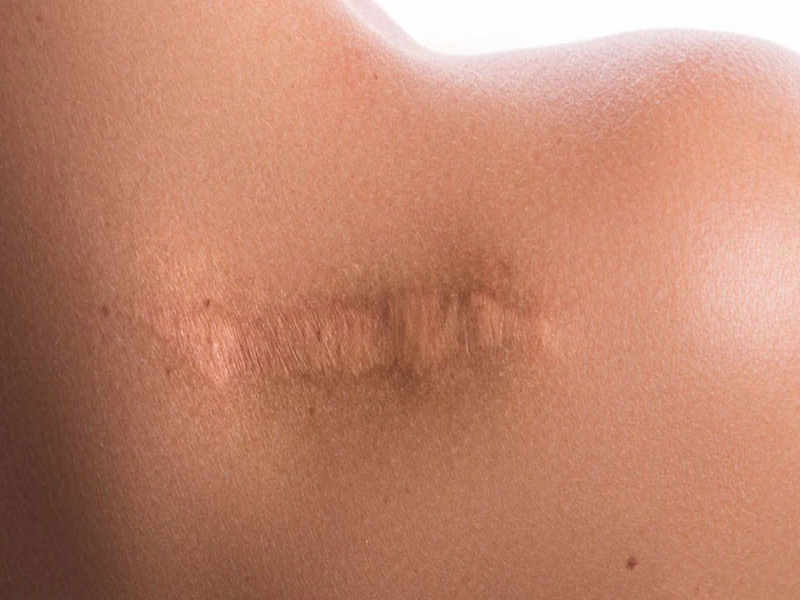

Surgical Stitch Scar Treatment includes different approaches intended to reduce the visible appearance or symptoms of scars left after surgery, accidents, or other injuries that required suturing. Treatment depends on scar type, depth, maturity, location, symptoms, and individual skin characteristics.
The main goal is generally to improve selected features of the scar rather than restore the skin completely to its original appearance. Ankara Laser procedures, silicone-based therapies, injections, surgery, and other methods may be considered depending on the type of scar. Chemical peels or microdermabrasion have more limited roles in many true surgical scars.
Treatment may also be considered for functional reasons. Some scars can become tight or contracted and interfere with movement. In those cases, improving function may be as important as changing appearance.
Importance of Surgical Stitch Scar Treatment
Surgical scars can influence confidence or quality of life for some individuals, but this psychological effect varies. Scar – Wound Scar – Stretch Mark Treatments should also not be treated as a single category because surgical scars and stretch marks have different causes and biological characteristics.
Some scars may produce physical symptoms such as tightness, itching, pain, or restricted movement. Appropriate treatment can sometimes improve these symptoms depending on scar type and severity.
The goal should therefore be individualized. Some people primarily want cosmetic improvement, while others need treatment for symptoms or functional limitation.
Choosing the Appropriate Time for Treatment
There is no universal rule requiring every surgical scar to remain untreated for several months. Scar maturation continues over many months, but certain interventions may be considered earlier once the wound has appropriately closed. Silicone therapy, pressure approaches, vascular laser treatment, or other early interventions may be appropriate in selected cases.
The season may influence practical treatment planning, particularly for procedures that require strict ultraviolet protection. Autumn and winter can sometimes make sun avoidance easier, but these seasons do not automatically make wound healing healthier or the treatment more effective.
Lifestyle and recovery requirements should also be considered. Some procedures involve temporary redness, sensitivity, dressings, or activity restrictions. Choosing a period when the individual can follow these instructions may make aftercare easier.
Factors to Consider During Surgical Scar Treatment
Scar size, thickness, color, location, symptoms, and maturity should be assessed before selecting a treatment. Skin phototype and the individual's tendency to develop hypertrophic or keloid scars may also influence the choice.
General medical history, medication use, allergies, wound-healing problems, and previous treatments should be reviewed. Temporary redness or irritation can occur after many procedures, but the risk profile differs depending on the method.
Aftercare may include moisturization, scar-specific products, sun protection, or wound care depending on the procedure. The routine should be individualized rather than assumed to be necessary in the same way for every person.
Methods Used for Surgical Stitch Scar Treatment
Different methods may be considered depending on the scar:
- Laser Treatment: Selected laser systems can target vascularity, pigmentation, thickness, or texture. Ankara Laser procedures should be chosen according to scar characteristics.
- Chemical Peeling: Peels may help selected superficial pigmentation or texture concerns but are not primary treatments for every surgical scar.
- Microdermabrasion: This technique mainly affects the superficial skin surface and has a limited role in deeper structural surgical scars.
- Steroid Injections: Corticosteroid injections may be considered particularly for selected hypertrophic or keloid scars under medical supervision.
Every method has different indications and risks. Treatment should therefore be based on the scar rather than simply choosing the most intensive option.
Aftercare Following Surgical Stitch Scar Treatment
Aftercare depends on the procedure performed. If the skin is temporarily dry or sensitive, an appropriate moisturizer may help support the barrier, but moisturization does not directly guarantee faster scar remodeling.
Sun protection may be particularly important after laser or resurfacing procedures because ultraviolet exposure can contribute to pigment changes. Broad-spectrum sunscreen and physical protection may therefore be recommended.
Balanced nutrition, adequate hydration, and sufficient sleep support general health. They should not, however, be presented as methods that guarantee permanent scar-treatment results. Activity restrictions also depend on the specific procedure rather than applying universally.
Common Mistakes in Surgical Scar Treatment
One mistake is beginning treatment without identifying the scar type. A hypertrophic scar, keloid, flat surgical scar, depressed scar, or contracture may require different management.
Another mistake is assuming that missing a product application or part of a skin-care routine automatically reverses all treatment progress. Consistency may be useful, but scar behavior is influenced by many biological and procedural factors.
Expecting immediate results is also unrealistic. Scar maturation and remodeling take time, and visible change may develop over weeks or months depending on the intervention. The appropriate treatment timeline should be determined according to the individual scar.
 Call
Call
 Whatsapp