


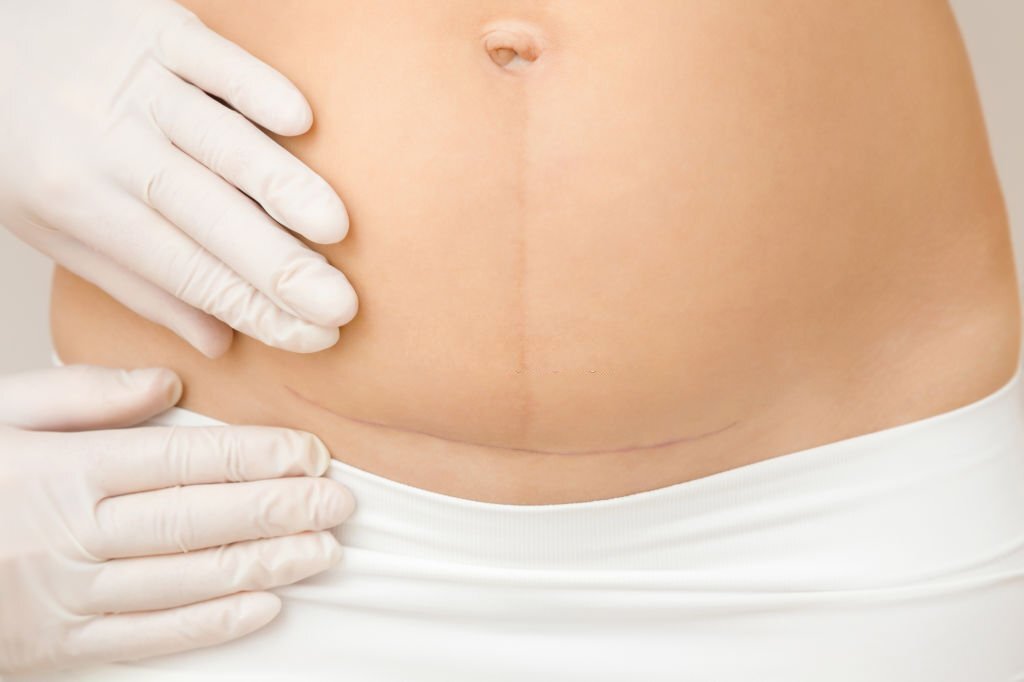

Suture scars are marks left on the skin after surgical procedures or accidents and may often be visually disturbing. The treatment of these scars may have an important effect on both the physical and psychological well-being of the person. Choosing the right time for suture scar treatment is critically important for the success of this treatment.
What Is Suture Scar Treatment?
Suture scar treatment is the general name for medical methods applied to reduce the appearance of suture scars on the skin. These treatments aim to improve the appearance of scars and increase the person’s satisfaction with their outer appearance. They are generally performed by dermatologists or plastic surgeons and carried out using various techniques.
Suture scars may occur in different areas of the body and under different conditions. Each scar should be evaluated according to its own characteristics. For example, a scar on the face may create greater aesthetic concern, while scars on the legs may usually attract less attention. Therefore, when creating a treatment plan, the location, type, and depth of the scars should be taken into consideration.
Treatment methods include laser treatments, chemical peels, microdermabrasion, and surgical interventions. Each method may address different needs; therefore, it is important to consult a specialist doctor to determine which method is most suitable.
Why Is the Right Time Important in Suture Scar Treatment?
Choosing the right time in suture scar treatment directly affects the effectiveness of the treatment. Scars that occur on the skin tend to improve naturally over time. However, in some cases, this recovery process may not be sufficient, and scars may become more noticeable. At this point, intervening at the right time becomes very important.
Starting treatment early may help scars improve more comfortably. However, an intervention that is too early may also disrupt the skin’s natural recovery process; therefore, caution is necessary. Generally, the most suitable time for suture scar treatment is the period when the wound has fully healed and the skin has become stable. This period usually corresponds to approximately 6 months to 1 year after the wound occurs.
On the other hand, it may be necessary to wait longer for some scars. Especially in individuals with darker skin tones, skin pigmentation may take longer to settle. Therefore, the treatment duration and methods for each individual should be planned according to personal needs.
Ideal Timing for Suture Scar Treatment
There are several important factors to consider when determining the ideal timing for suture scar treatment. First, the scar formation process should be completed. This generally refers to the period when the wound has fully closed and the skin has begun to renew itself.
The ideal treatment period for suture scars is generally between 6 and 12 months after the wound has healed. During this period, the skin completes its natural recovery process and may respond better to treatment. However, in some cases, earlier or later intervention may be required. For example, in cases where scars are very noticeable, earlier treatment may be considered.
Treatment timing also depends on the method applied. For example, laser treatments can generally be applied after the skin has fully healed, while some topical treatments may be started earlier. Therefore, consulting a specialist physician and creating a treatment plan suitable for individual needs are important.
Differences Between Scar – Wound Scar – Stretch Mark Treatments
There are important differences between scar – wound scar – stretch mark treatments. Although all three are conditions that leave marks on the skin, their treatment methods and recovery periods may vary.
Scars generally occur after deeper injuries or surgical procedures and may leave lasting marks. Their treatment may be more complex and may often require laser or surgical intervention.
Wound scars generally occur after superficial injuries and may become less noticeable over time. Topical creams or mild peeling methods may be preferred in the treatment of these scars.
Stretch marks usually occur as a result of sudden stretching of the skin and are mostly associated with aesthetic concerns. Microdermabrasion or laser treatments are commonly used in stretch mark treatments.
Understanding the differences between these three conditions is important for determining which treatment is most suitable. Special treatment methods have been developed for each condition, and applying these methods correctly may support treatment success.
Suture Scar Treatment Methods
There are various treatment methods for suture scars, and each method addresses different needs. Here are some commonly used suture scar treatment methods:
Laser Treatment: Laser beams may reduce the appearance of scars by increasing collagen production under the skin. This method is generally preferred for deeper scars.
Chemical Peeling: This method exfoliates the upper layer of the skin and reveals healthier-looking skin tissue underneath. It may be effective especially for superficial scars.
Microdermabrasion: This method gently exfoliates the upper layer of the skin and renews skin texture. It is suitable for stretch marks and superficial scars.
Surgical Intervention: For deep or wide scars, it may be possible to remove or reduce the scar with surgical methods.
It is important to consult specialist physicians to determine which of these treatment methods is most suitable. Since each person’s skin structure and the condition of the scars are different, a personalized treatment plan should be created.
Things to Consider for Suture Scar Treatment
There are some important points to consider before starting suture scar treatment. Paying attention to these points helps the treatment process progress more effectively and safely.
Specialist Consultation: Before starting treatment, it is important to have a detailed consultation with a dermatologist or plastic surgeon. Specialists will determine the most suitable treatment method according to the type of scars and skin structure.
Skincare: Keeping the skin clean and moisturized during the treatment process may support the recovery process. Sun protection also helps prevent scars on the skin from becoming more noticeable.
Being Patient: Suture scar treatment may take time. It may take several weeks or months for initial results to appear. During this process, being patient and following the doctor’s recommendations are important.
By paying attention to these factors, you can support a more effective treatment process for suture scars. Remember, every skin type and scar is different; therefore, creating a personal treatment plan is the most appropriate approach.
Effects and Results of Suture Scar Treatment
The effects and results of suture scar treatment may vary depending on the method applied and the person’s skin structure. However, in general, these treatments may reduce the appearance of scars and support the person’s self-confidence.
After treatment, the color of the scars may fade, their texture may soften, and their size may decrease. This helps individuals feel more comfortable, especially in social and professional life. Treatment results may often be long-lasting, but it should be remembered that scars may not disappear completely in some cases.
On the other hand, after some treatment methods, mild redness or sensitivity may occur on the skin. These effects are usually temporary and disappear within a short time. If any negative effect occurs, it is important to contact a doctor immediately.
In Which Cases Is Suture Scar Treatment Recommended?
Suture scar treatment is generally recommended in cases where scars cause psychological or physical discomfort. Here are some situations in which this treatment may be recommended:
Aesthetic Concerns: If the appearance of scars bothers the person and causes a lack of self-confidence, treatment may be considered.
Physical Discomfort: Some scars may create tension or discomfort on the skin. In such cases, treatment may provide physical relief.
Medical Reasons: Some scars may be confused with lesions that carry a risk of skin cancer. In such cases, treatment or medical evaluation of the scars may be necessary.
The presence of suture scars may carry different levels of importance for each individual. Therefore, the treatment decision should be made in line with personal needs and doctor recommendations.
 Call
Call
 Whatsapp