


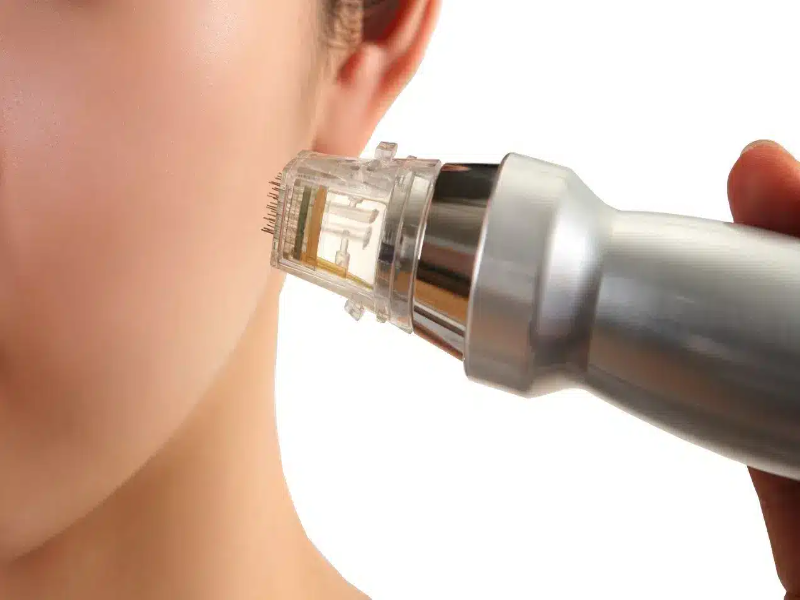

Fractional radiofrequency treatment is used to improve selected concerns involving skin texture, acne scars, fine lines and mild skin laxity. Depending on the device, radiofrequency energy may be delivered through microneedles or another fractional applicator.
The treatment creates controlled areas of thermal stimulation within the skin. When microneedles are used, temporary microchannels are also created. These controlled effects may support gradual collagen remodelling.
Redness is a common temporary reaction after treatment. Its duration varies according to the device, needle depth, energy level, treatment area and individual skin response.
What Is Fractional Radiofrequency Treatment?
Fractional radiofrequency delivers energy to selected areas of the skin rather than treating the entire surface uniformly.
In radiofrequency microneedling procedures, fine needles enter the skin at controlled depths and release energy into targeted tissue layers.
The procedure may be considered for:
-
Selected acne scars
-
Uneven skin texture
-
Fine lines
-
Mild skin laxity
-
Enlarged-looking pores
-
Certain textural irregularities
The treatment does not work without affecting the skin surface or deeper tissue. Controlled microscopic injury and heat are part of the treatment mechanism.
Temporary redness, swelling, sensitivity, dryness, pinpoint bleeding or mild crusting may therefore develop.
How Long Does Redness Usually Last?
Mild redness may improve within several hours in some individuals.
In many cases, visible redness can continue for one to three days. More intensive treatments, sensitive skin or deeper needle settings may cause redness and swelling to last longer.
The duration may be affected by:
-
Treatment intensity
-
Needle depth
-
Radiofrequency energy
-
Number of passes
-
Size of the treatment area
-
Natural skin sensitivity
-
Skin tone
-
Previous procedures
-
Aftercare
-
Existing skin-barrier damage
A fixed recovery period cannot be guaranteed before treatment.
Is Redness a Normal Reaction?
Temporary redness is usually an expected response to the controlled heat and micro-injury produced during treatment.
It may be accompanied by:
-
Warmth
-
Mild swelling
-
Tenderness
-
Tightness
-
Dryness
-
Pinpoint bleeding
-
Mild crusting
These reactions should gradually decrease.
Redness that becomes more intense, spreads or is associated with increasing pain may require professional assessment.
Why Does Redness Occur?
Radiofrequency energy creates controlled heat within selected skin layers. This activates an inflammatory and wound-healing response.
When microneedles are used, the temporary channels created in the skin also contribute to redness and sensitivity.
This response may support collagen remodelling, but it should not automatically be interpreted as proof that the procedure has been successful.
The intensity of the visible reaction does not always predict the final result.
Can Redness Last Longer in Sensitive Skin?
Yes.
Individuals with sensitive skin, rosacea, eczema or a weakened skin barrier may experience more noticeable or prolonged redness.
Treatment may need to be postponed when there is:
-
Active eczema
-
Significant irritation
-
Open wounds
-
Active infection
-
Sunburn
-
Recent tanning
-
Uncontrolled rosacea
-
An active herpes outbreak
A personalised assessment is important before treatment.
Does Skin Tone Affect Recovery?
Skin tone may influence the risk of post-inflammatory pigmentation.
Individuals with darker skin tones may have a greater risk of developing temporary or persistent dark marks after excessive heat or inflammation.
This does not automatically prevent treatment, but conservative settings and careful aftercare may be required.
The treatment plan should consider both redness and pigmentation risk.
Possible Effects of Fractional RF
In suitable individuals, fractional radiofrequency may support gradual improvement in:
-
Skin texture
-
Selected depressed acne scars
-
Fine lines
-
Mild laxity
-
The appearance of enlarged pores
The procedure does not physically close pores or permanently renew the skin.
The degree of improvement varies, and complete correction cannot be guaranteed.
Does Fractional RF Treat Pigmentation?
Fractional radiofrequency is mainly used for textural concerns and collagen remodelling.
Some individuals may notice improvement in uneven skin appearance, but it is not automatically the most suitable treatment for sun spots, melasma or every type of pigmentation.
Heat and inflammation may worsen pigmentation in selected individuals.
Pigment-related concerns should be assessed separately before treatment.
Aftercare Following Fractional RF
Gentle Cleansing
The skin should be cleaned with a mild product according to the practitioner’s instructions.
Hot water, harsh cleansers, brushes and abrasive scrubs should be avoided during early recovery.
Moisturising
A simple, fragrance-free moisturiser may support the recovering skin barrier and reduce discomfort.
The product should not cause burning or irritation.
Moisturising may improve comfort but does not guarantee faster collagen production or more permanent results.
Sun Protection
Recently treated skin may be more sensitive to ultraviolet exposure.
Broad-spectrum sunscreen, hats and shade may help reduce the risk of post-inflammatory pigmentation once sunscreen can be applied comfortably.
If the skin is open, severely irritated or crusted, physical protection may initially be more appropriate.
Make-Up
Heavy make-up should not be applied to open, crusted or significantly irritated skin.
The timing for restarting make-up depends on the treatment intensity and skin response.
Active Skincare Products
Retinoids, exfoliating acids, strong vitamin C products and other active serums may cause burning or irritation during early recovery.
They should not be restarted automatically.
The treating professional should explain when each product can be used again.
Should Antioxidant Serums Be Used Immediately?
Not necessarily.
Although antioxidant products may be useful in a regular skincare routine, they are not automatically appropriate immediately after fractional radiofrequency treatment.
Strong or acidic formulations may irritate recently treated skin.
Early aftercare generally focuses on:
-
Gentle cleansing
-
Barrier support
-
Moisturising
-
Sun protection
-
Avoiding unnecessary active ingredients
Antioxidant serums should only be restarted when the skin has recovered sufficiently and the practitioner approves their use.
Exercise and Heat Exposure
The practitioner may recommend temporarily avoiding activities that increase heat, sweating and facial redness.
These may include:
-
Strenuous exercise
-
Saunas
-
Steam rooms
-
Very hot showers
-
Hot baths
-
Intense sun exposure
The duration of these restrictions depends on the procedure and the individual reaction.
Avoiding heat does not make collagen production occur faster. The aim is to reduce unnecessary irritation during early recovery.
Is the Procedure Painful?
Fractional radiofrequency should not be described as completely painless.
A topical anaesthetic may reduce discomfort, but individuals may still feel:
-
Pressure
-
Heat
-
Stinging
-
Burning
-
Pricking sensations
Pain levels depend on treatment intensity, area and individual sensitivity.
When Do Results Become Visible?
Temporary swelling may make the skin appear smoother immediately after treatment, but this is not the final result.
Collagen remodelling develops gradually over several weeks and may continue for several months.
The timing and degree of improvement depend on:
-
Treatment indication
-
Device settings
-
Number of sessions
-
Age
-
Skin characteristics
-
Scar depth
-
Healing response
Visible improvement after one session cannot be guaranteed.
How Many Sessions Are Required?
The required number of sessions varies.
A person with mild texture irregularity may require a different plan from someone with deep acne scars.
The treatment schedule should be based on:
-
Main concern
-
Scar type
-
Treatment response
-
Skin tone
-
Recovery period
-
Use of additional procedures
A fixed session number should not be promised before assessment.
Who May Be Suitable for Treatment?
Fractional radiofrequency may be considered for adults with selected texture concerns, acne scars, fine lines or mild laxity.
It may not be appropriate for everyone.
Additional assessment is required in the presence of:
-
Pregnancy or breastfeeding
-
Active infection
-
Open wounds
-
Uncontrolled eczema
-
Active rosacea
-
Keloid tendency
-
Bleeding disorders
-
Implanted electrical devices
-
Certain medications
-
Abnormal wound healing
-
Recent intensive skin treatment
Prescription medication should not be stopped without approval from the prescribing physician.
When Should the Practitioner Be Contacted?
Professional advice should be obtained if the individual experiences:
-
Redness that continues to worsen
-
Increasing pain
-
Severe swelling
-
Blistering
-
Pus or discharge
-
Fever
-
Spreading warmth
-
Persistent bleeding
-
Marked darkening or lightening
-
Signs of an allergic reaction
Breathing difficulty or severe allergic symptoms require urgent medical attention.
Fractional RF Treatment in Ankara
Ankara Laser or another qualified medical provider should perform a detailed assessment before treatment.
The consultation should explain:
-
Which device will be used
-
Whether microneedles are involved
-
Planned needle depth
-
Energy settings
-
Expected redness and recovery
-
Possible pigmentation risk
-
Aftercare instructions
-
Alternative treatments
-
Follow-up arrangements
Treatment safety and effectiveness depend on practitioner qualifications, device quality, sterile consumables and appropriate settings rather than the clinic name alone.
Frequently Asked Questions
Is Fractional RF Painless?
No. Anaesthetic cream may reduce discomfort, but heat, pressure or stinging may still be felt.
Does Redness Always Disappear Within One or Two Days?
No.
Mild redness may settle quickly, while more intensive treatment may cause redness and swelling for several days or longer.
When Can Make-Up Be Applied?
Make-up should be avoided while the skin is open, crusted or significantly irritated.
It can be restarted when the practitioner confirms that the skin has healed sufficiently.
Can Antioxidant Serum Be Used Immediately?
Not automatically.
Active serums may irritate recently treated skin and should be restarted only after professional approval.
Does Aftercare Make the Results Permanent?
No.
Appropriate aftercare supports safe recovery and may reduce avoidable irritation, but it cannot guarantee permanent results.
Is Fractional RF Suitable for Every Skin Type?
No procedure is suitable for everyone.
Skin tone, sensitivity, medical history, active skin conditions and device-specific contraindications should be reviewed.
How Long Does Swelling Last?
Mild swelling may settle within several days, but its duration varies according to treatment intensity and individual response.
In conclusion, redness after fractional radiofrequency treatment in Ankara may last from several hours to several days. More intensive procedures or sensitive skin may produce a longer reaction. Gentle skincare, sun protection and temporary avoidance of heat and active products may support recovery, but worsening or prolonged symptoms should be professionally assessed.
 Call
Call
 Whatsapp