


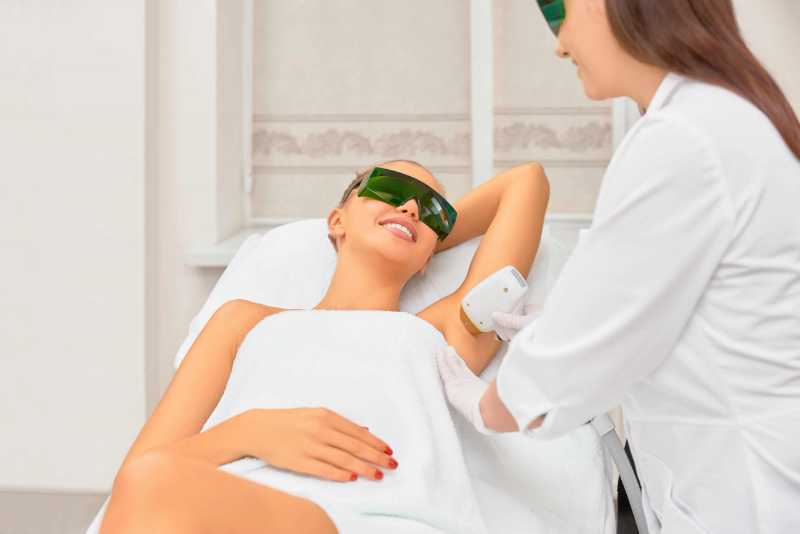

Laser epilation is a popular method used to reduce unwanted hair. However, paying attention to post-treatment skin care is essential for both effectiveness and safety. In this article, we answer the question of how many days after laser you can sunbathe and discuss different aspects of laser epilation.
What Is Laser Epilation?
Laser epilation targets hair follicles using concentrated beams of light to reduce hair growth. It can be applied to various parts of the body and may produce different results depending on the individual.
One of the main advantages of this method is that it can provide long-term results. However, rather than offering a completely permanent solution, it helps reduce hair over time. The treatment usually requires multiple sessions, and the intervals between sessions may vary.
During the procedure, laser light penetrates the skin and targets pigment in the hair follicles. Therefore, it tends to be more effective on darker hair. However, it is important to note that laser epilation may not be suitable for every skin and hair type.
How Many Days After Laser Can You Sunbathe?
After laser epilation, the skin becomes more sensitive and vulnerable to external factors. Therefore, extra care is required when it comes to sun exposure.
In general, it is recommended to avoid direct sunlight for at least 2 weeks after laser treatment. However, this period may vary depending on your skin type and the intensity of the procedure.
Exposure to sunlight can lead to irritation or hyperpigmentation. If you need to be outdoors, it is important to use a high-protection sunscreen. Those undergoing treatment during summer months should be especially cautious.
Taking proper care of your skin after laser treatment helps improve results and ensures safety. In addition to sun protection, keeping the skin moisturized and avoiding irritating products is also important.
When Should Laser Epilation Be Done?
The timing of laser epilation depends on factors such as skin type, hair structure, and lifestyle. Generally, autumn and winter are considered the most suitable seasons, as sun exposure is reduced and the skin is less at risk.
However, some individuals choose to undergo treatment year-round. In such cases, sun protection and proper skin care become even more important.
Sessions are usually spaced 4–6 weeks apart to allow the skin to recover and maximize treatment effectiveness. The exact timing may vary based on personal needs and professional recommendations.
Laser Epilation Process and Applications
The laser epilation process involves several steps. First, a specialist evaluates your skin and hair type to create a personalized treatment plan. This ensures a safer and more effective procedure.
During the session, the laser device is applied to the skin to target hair follicles. A mild burning or stinging sensation may be felt, but it is generally tolerable. The duration of the session depends on the size of the treatment area.
After the procedure, mild redness or swelling may occur, but this usually subsides within a few hours. Applying cold compresses or soothing creams can help relieve discomfort.
Post-Laser Epilation Skin Care
Proper skin care after laser epilation is essential for both safety and effectiveness. Keeping the skin hydrated and soothed is important. Fragrance-free moisturizers suitable for sensitive skin are recommended.
For the first few days, avoid hot showers and do not scrub the skin. It is also important to stay away from harsh chemicals or products that may cause irritation.
Using sunscreen with at least SPF 30 is a key part of post-treatment care. It protects the skin from harmful UV rays and helps prevent unwanted side effects.
Things to Consider Before and After Laser Epilation
There are several important precautions to consider before and after laser epilation. Before treatment, avoid tanning or similar procedures, as they may reduce effectiveness or increase the risk of irritation.
The skin should be clean and free of cosmetic products before the procedure. Moisturizing before and after treatment can support the healing process.
After treatment, avoid activities and products that may irritate the skin. Protecting the skin from the sun and keeping it hydrated are essential for maintaining healthy results.
 Call
Call
 Whatsapp