


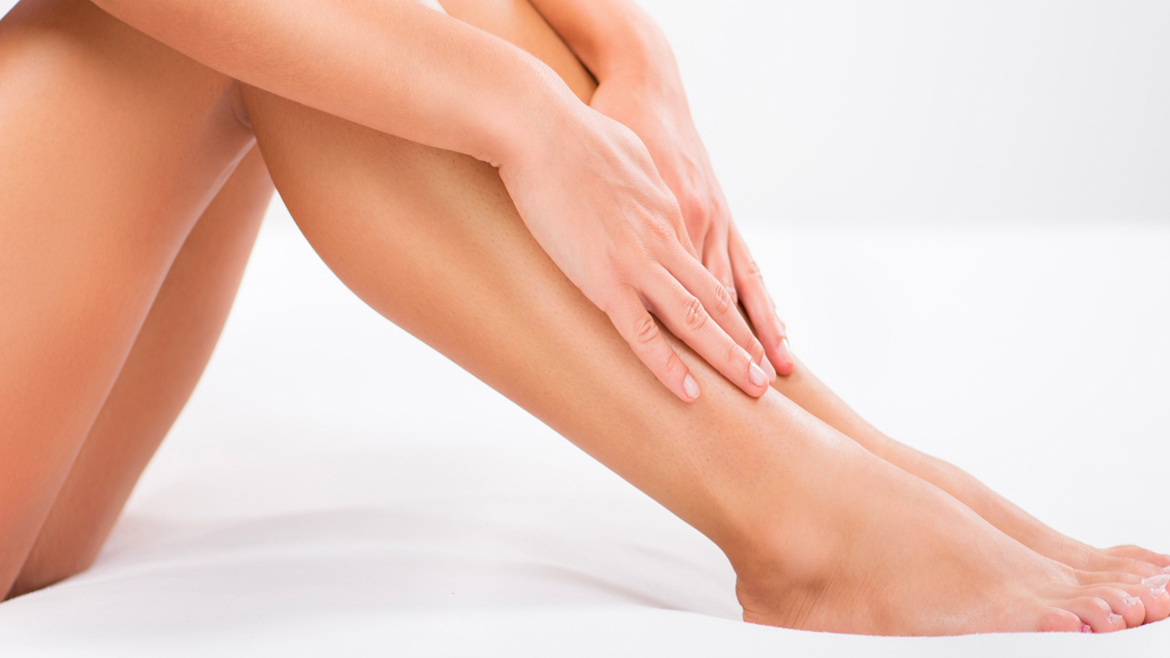

Wax allergy occurs as a result of skin hypersensitivity or allergic reaction. During waxing, hot or cold wax is applied to the skin and then pulled off with a cloth or piece of paper. This process removes hair and dead skin cells from the top layer of the skin. However, some people may notice that their skin becomes irritated after waxing.
Symptoms of Wax Allergy
Wax allergy can manifest itself with many different symptoms. These symptoms include skin redness, swelling, itching, burning sensation, and rash. Wax allergy is often more noticeable in areas where waxing has been done, especially in sensitive areas such as the bikini area, underarms or face. Additionally, some people may experience pain or discomfort due to skin sensitivity after waxing.
Causes of Wax Allergy
Wax allergy can have many different causes. One of the most common causes is not cleansing or disinfecting the skin before waxing. In addition, the materials used while waxing are of poor quality or contain allergens may be among the causes of wax allergy. Some people may have allergic reactions after waxing because their skin is extremely sensitive.
How Many Days Does Wax Allergy Go Away?
Wax allergy may vary from person to person. However, usually the symptoms of wax allergy will subside within a few days. In mild cases, symptoms usually go away within 2 to 3 days. However, in more severe cases, symptoms may last a little longer and last up to 1 week. If symptoms persist for a long time or become severe, it is important to consult a doctor.
Wax Allergy Treatment Options
You have several different options to relieve and treat wax allergy symptoms. First, you can use a lotion or cream to soothe irritated skin. These products often relieve itching and moisturize the skin. Additionally, antihistamine medications may also help relieve symptoms. These are usually taken orally and can reduce itching.
Home Methods to Relieve Wax Allergy Symptoms
There are several methods that can be used at home to relieve wax allergy symptoms. First, it may be helpful to wash the irritated skin with cold water and then apply a moisturizing cream. You can also wear loose and cotton clothes to avoid irritating the skin. Additionally, avoiding allergen-containing items may also relieve symptoms. For example, it is important to stay away from perfumed lotions or products that contain chemicals.
Preventing Future Waxing Allergies
You can take a few precautions to prevent waxing allergies in the future. First, it is important to clean and disinfect your skin before waxing. Additionally, using quality and reliable waxing materials can also prevent symptoms from occurring. It is also important to moisturize and protect your skin after waxing. This can help the skin heal faster and prevent future waxing allergies.
When Should You Consult a Doctor for Waxing Allergy?
Generally, wax allergy symptoms are mild and spontaneously transient. However, if symptoms become severe or persist for a long time, it is important to consult a doctor. Your doctor can evaluate your symptoms and recommend appropriate treatment options for you. It is also important to consult a doctor to determine if there is another skin condition underlying the wax allergy.
Common Misconceptions About Waxing Allergies
There are several common misconceptions about wax allergies. One of them is that wax allergy is seen only in women. However, wax allergy can also occur in men. Also, some people may experience slight pain or discomfort after waxing, but this is usually temporary and not a serious problem. There are many methods that can be used at home to relieve wax allergy symptoms.
 Call
Call
 Whatsapp