


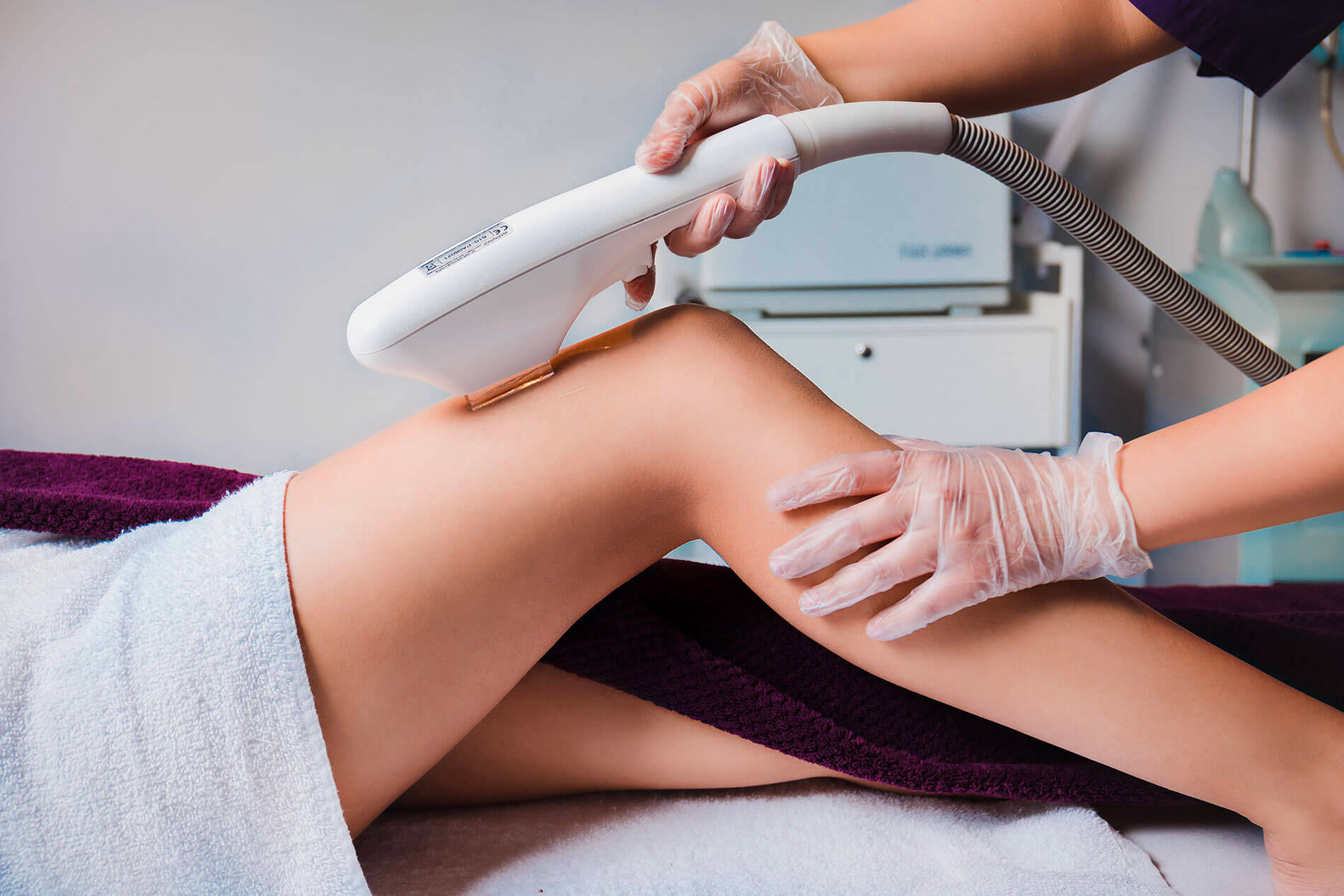

Laser epilation offers a more permanent and effective solution compared to traditional methods such as hair removal creams, waxing and hair removal. In addition, the fact that the application is painless and short-term is another important reason why it is preferred by patients.
Laser epilation is used effectively in areas where hair is dense, such as the face, arms, legs, bikini area, armpits and back. Different laser types and settings can be applied depending on the person's skin structure, hair color and density.
Areas Where Laser Epilation Is Effective
Laser epilation can be applied effectively in various parts of the body. The main effective areas are:
Face: Upper upper lip, chin, cheeks and forehead areas
Arm: Upper arm and forearm areas
Leg: Thigh, knee and calf areas
Bikini area
Armpit
Back
Chest
Laser epilation provides more effective results especially in areas with dark and thick hair. The best results can be achieved by determining the appropriate laser type and settings according to the person's skin structure, hair color and density.
Information About Laser Epilation Sessions
Laser epilation is usually applied in several consecutive sessions. In order to completely and permanently remove the hair, a series of sessions at certain intervals is necessary.
The number of laser epilation sessions varies depending on the person's skin structure, hair density and other factors. On average, a session process of 6-8 sessions may be required to achieve a complete result.
The time between each session usually varies between 4-8 weeks. This period is necessary for the hair to grow back and the roots to become sufficiently strong.
During laser epilation sessions, the settings of the laser device are determined specifically for the person. The most appropriate settings are made by taking into account factors such as skin structure, hair color and density. In this way, both a safe and effective application is achieved.
Laser Epilation Session Duration
The duration of the laser epilation session varies depending on the width of the applied area and the hair density. In general, the epilation of small areas (for example, the upper lip) may take 5-10 minutes, while larger areas (for example, legs) may take 30-45 minutes.
The duration of the session also depends on the features of the laser device used. Faster and more powerful laser devices can cover larger areas in a shorter time.
During the session, the laser light is applied to the hair roots. During this process, a slight heat or burning sensation may be felt. However, in applications performed by an experienced specialist, this sensation is very low or almost never felt.
Factors Affecting the Results in Laser Epilation
There are various factors that affect the results of laser epilation:
Skin Color: Light-colored skin absorbs the laser light better and provides better results.
Hair Color: Dark-colored hair absorbs the melanin pigment better and provides more effective results.
Hair Density: Areas with dense hair require more sessions.
Hormonal Changes: Pregnancy, menopause or hormonal disorders can affect hair growth.
Age: The thickness and density of hair can increase with age.
Genetic Factors: Hair growth characteristics that vary from person to person can affect the results.
Nutrition and Lifestyle: Healthy nutrition and regular exercise can reduce hair growth.
Considering these factors ensures that laser hair removal applications are more successful.
How Many Sessions Does It Take to Get Effective Results on Average?
In order for laser hair removal results to be permanent and for the hair to be completely removed, a series of sessions between 6-8 sessions is usually required. However, due to factors that vary from person to person, the number of sessions may increase or decrease.
In the first sessions, a significant decrease in hair is observed. However, a few more sessions are required to achieve a complete result. Because the cells in the hair roots must be completely destroyed and the hair must be prevented from growing back.
Session intervals are determined according to the speed of hair regrowth. A series of sessions, usually applied at 4-8 week intervals, gives the best results.
As a result, the number of sessions required for laser hair removal varies according to the person's skin and hair characteristics, the area where the hair is applied and other factors. However, an average series of 6-8 sessions is sufficient for most people.
 Call
Call
 Whatsapp