


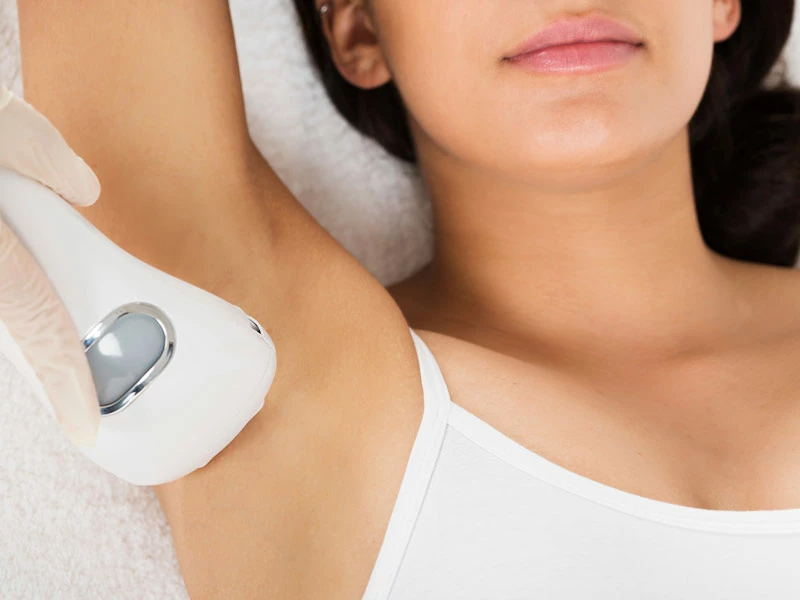

Laser hair removal has gained significant popularity in the aesthetic and cosmetic field in recent years. One of its commonly discussed benefits is the potential for long-term hair reduction. But what exactly is laser hair removal, and how does it work?
What Is Laser Hair Removal?
Laser hair removal is a treatment method designed to target hair follicles beneath the skin. The procedure involves delivering light energy at a specific wavelength to the skin. This light is absorbed by the melanin pigment in the hair follicles, generating heat that may weaken the follicles and gradually reduce hair growth.
One of the key advantages of laser hair removal is its potential for longer-term hair reduction compared to traditional methods. While conventional techniques provide temporary results, laser treatments are designed to reduce regrowth over time.
Treatment suitability may vary depending on skin type and hair color. Individuals with lighter skin tones and darker hair often respond well; however, advances in technology have made it possible to treat a wider range of skin types and hair colors.
How Many Minutes Does Laser Hair Removal Take?
The duration of laser hair removal depends on the size of the treatment area and the type of laser used. For smaller areas such as the face, sessions may take approximately 10–15 minutes. Larger areas such as the legs may require up to an hour.
Session length may also vary based on skin type, hair density, and the treated area. On average, a session can last between 15 and 60 minutes. The most accurate estimate is typically provided during a professional consultation.
Short session times are often considered a practical advantage, especially for individuals with busy schedules. Despite shorter sessions in smaller areas, treatment effectiveness is not necessarily reduced, as the procedure is designed to target specific hair follicles.
Laser Hair Removal Applications
Laser hair removal can be applied to many areas of the body. Commonly treated areas include the face, underarms, legs, bikini area, and back. Different laser technologies may be selected depending on the area and hair characteristics.
Each treatment plan is customized according to individual needs. For example, finer facial hair may require more sensitive settings, while larger areas may involve different configurations. This flexibility allows treatment to be adapted to various skin and hair types.
Laser hair removal is not limited to women; many men also choose this treatment for areas such as the back, chest, and face. Individuals may prefer it for both aesthetic and personal care reasons.
Laser Types and Session Durations
Several types of lasers are used in hair removal treatments, each suited to specific skin tones and hair characteristics. The most commonly used systems include Alexandrite, Diode, and Nd:YAG lasers.
Alexandrite Laser:
Often selected for lighter skin tones with darker hair. It may allow relatively fast treatment of larger areas.
Diode Laser:
Suitable for a wider range of skin tones and capable of reaching deeper hair follicles.
Nd:YAG Laser:
Commonly used for darker skin tones due to its deeper penetration. Sessions with this system may sometimes take slightly longer depending on treatment settings.
Each laser type has its own advantages and limitations. Consulting with a qualified professional helps determine which system may be most appropriate for individual needs.
Laser Hair Removal Services in Ankara
Ankara offers a wide range of aesthetic and cosmetic services, including laser hair removal. Many centers operate with updated equipment and trained practitioners.
Facilities such as Ankara Life Polyclinic provide laser hair removal services with individualized treatment planning. Treatment approaches are typically based on skin and hair analysis, allowing for personalized care.
Before starting treatment, consulting with a professional and receiving detailed information about the procedure may help support informed decision-making.
Post-Treatment Care Considerations
After laser hair removal, certain precautions may help support skin recovery. Avoiding direct sun exposure and using sunscreen can help protect sensitive skin.
Temporary redness or mild swelling may occur but generally subsides within a short period. If more pronounced reactions develop, contacting a qualified professional is recommended.
Keeping the treated area moisturized and avoiding harsh chemical products for several days may also support the skin’s recovery process.
 Call
Call
 Whatsapp