


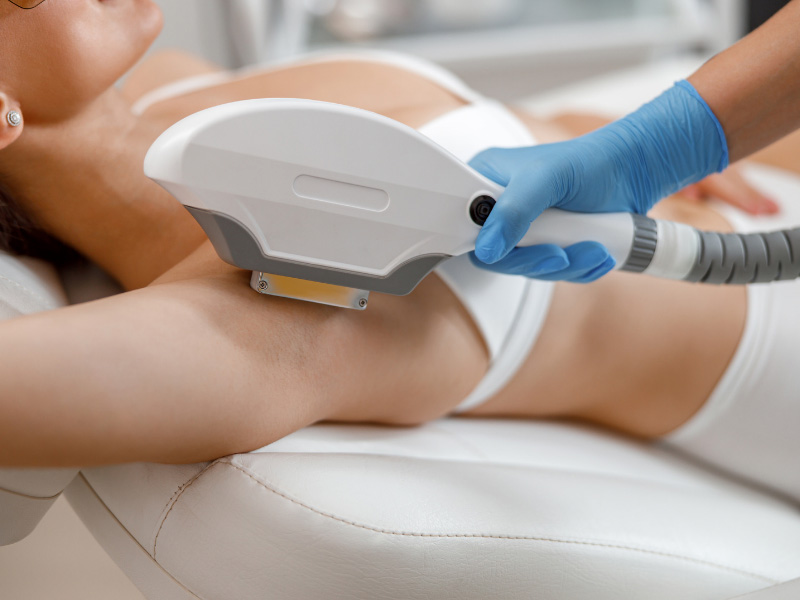

Leg laser hair removal is a cosmetic procedure that uses laser light to reduce unwanted hair permanently. In this method, laser light is directed at the hair follicle to target the root and weaken hair growth. In large cities such as Ankara, these types of treatments are widely available and frequently preferred.
Laser hair removal offers a longer-lasting solution compared to temporary methods such as waxing or shaving. However, instead of providing an absolute guarantee, results and the number of sessions may vary from person to person. Since each individual has a different skin type, hair color, and hair density, treatment outcomes may also differ.
This method is particularly popular among individuals who want smoother legs, especially during the summer months. However, before starting treatment, it is important to obtain professional advice and undergo a detailed evaluation. Receiving treatment from a reliable center such as Ankara Life Polyclinic can contribute to safe and effective results.
The Leg Laser Hair Removal Process
The leg laser hair removal process generally consists of several steps, each of which should be carefully followed. In the first step, the individual's skin type and hair structure are evaluated. This evaluation is critical in determining which type of laser technology should be used. Laser technologies such as Alexandrite, Diode, and Nd:YAG lasers may be used during the treatment process.
During the preparation stage before treatment, it is usually recommended that the hair be at a certain length and that the skin be clean. Specialists often advise protecting the skin from sun exposure and avoiding certain cosmetic products before the procedure. These precautions help increase the effectiveness of the session and minimize possible side effects.
During the session, the laser device is applied to the skin and the laser beams penetrate the hair follicles. A mild sensation of discomfort may occur during the procedure, but most modern devices include cooling systems that help reduce this feeling. After the session, slight redness or swelling may occur on the skin, but these effects usually disappear within a short time.
How Many Sessions Are Needed for Leg Laser Hair Removal?
The number of sessions required for leg laser hair removal depends on several factors. On average, 6 to 8 sessions are generally needed to significantly reduce hair in the leg area. However, this number may vary between individuals, and some people may require fewer or additional sessions.
Hair color, hair thickness, and skin tone are among the most important factors affecting the number of sessions. Individuals with light skin and dark hair typically achieve results more quickly, while those with lighter hair may require a longer treatment process. Hormonal changes can also influence hair growth and may increase the number of sessions required.
At treatment centers such as Ankara Life Polyclinic in Ankara, the treatment process is planned individually. This allows a customized treatment program to be created according to each person’s needs. Specialists consider both the individual's expectations and skin structure when designing the treatment plan.
Duration of Leg Laser Hair Removal Sessions
Each laser hair removal session may vary depending on the treated area and the individual’s skin characteristics. Generally, a session for the leg area takes approximately 30 to 60 minutes. However, this duration may vary depending on the person and the type of device used.
The type of laser technology used also plays an important role in determining session duration. For example, Alexandrite lasers are often known for providing faster treatments, while Diode lasers are effective for a wider range of skin types. In both cases, session duration and intervals are carefully planned by specialists.
Session intervals are typically scheduled every 4 to 6 weeks. During this time, the hair follicles targeted by the laser complete their natural growth cycle. These intervals help improve treatment effectiveness and allow the skin to recover. Specialists evaluate the condition of the skin after each session and adjust the timing of the next session accordingly.
Types of Laser Hair Removal
Different types of laser technologies used in laser hair removal treatments provide suitable options for various skin types and hair structures. The most commonly used laser types include Alexandrite, Diode, and Nd:YAG lasers, each with its own advantages and treatment applications.
1. Alexandrite Laser:
Ideal for individuals with light skin and dark hair. This laser type is known for delivering fast results and being effective for large treatment areas. However, it should be used carefully on darker skin tones.
2. Diode Laser:
Suitable for a wider range of skin types, this laser technology can provide effective results for both light and darker skin tones. Diode lasers can reach deeper layers of the skin and may also be effective on thicker hair.
3. Nd:YAG Laser:
Often considered one of the safest options for darker skin types. With a longer wavelength, this laser targets deeper hair follicles while having less impact on the skin surface.
These different laser technologies are selected by specialists based on the individual's skin and hair characteristics. At centers such as Ankara Life Polyclinic, experienced professionals determine the most suitable laser technology and create a personalized treatment plan.
Leg Laser Hair Removal Applications
Leg laser hair removal applications involve advanced technology and professional expertise. Each treatment is planned individually according to the person’s needs and expectations. Receiving treatment from an experienced and reliable team can significantly improve the success of the results.
Before the procedure, the individual's skin type and hair characteristics are analyzed in detail. This evaluation is essential for determining the most appropriate laser technology and treatment plan. In many polyclinics in Ankara, these assessments are carried out by professional teams.
During the procedure, laser beams are directed at the leg area to target the hair follicles. Thanks to the cooling systems of modern devices, only minimal discomfort is usually felt during treatment. Post-treatment care is also an important part of the process. Protecting the skin from the sun and maintaining proper skin hydration play a key role in supporting long-lasting treatment results.
 Call
Call
 Whatsapp