


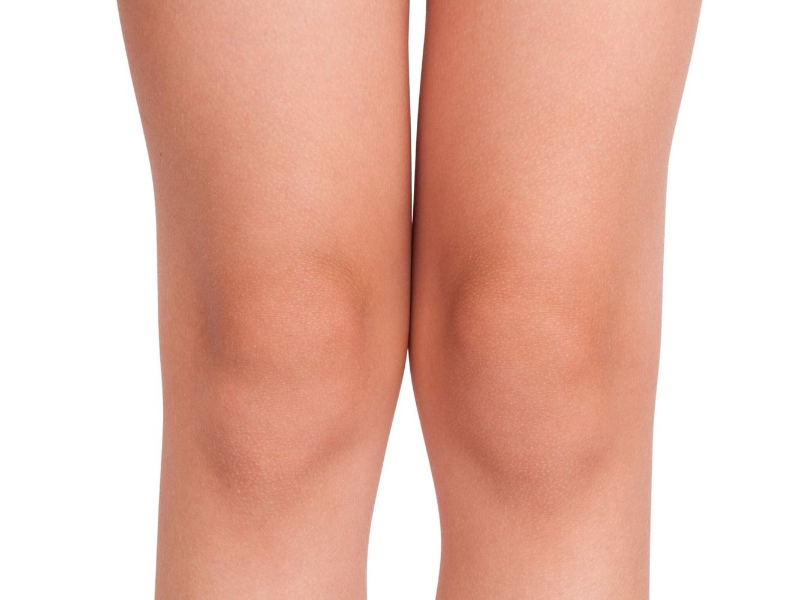

Darkening may develop over time in different areas of the body. The knees are particularly prone to this because they are frequently exposed to friction and pressure. Knee lightening is a treatment option preferred to help the knees achieve a lighter and more even-looking skin tone.
What Is Knee Lightening?
Knee lightening is a skin care treatment performed to reduce the appearance of darkened skin on the knees and create a more aesthetically even appearance. The procedure generally focuses on removing dead cells from the upper layers of the skin and supporting the renewal of healthier-looking skin.
Knee lightening may be considered not only for aesthetic reasons but also as part of maintaining skin health. In some cases, changes in skin pigmentation may be associated with underlying dermatological or medical conditions. For this reason, obtaining an evaluation from a dermatologist before undergoing a lightening treatment is important.
Different lightening methods may be suitable for different skin types. Options may include chemical peeling, laser treatments, or topical skin care products. Professional evaluation can help determine which approach may be more appropriate for the individual's skin type.
The Knee Lightening Process
The knee lightening process generally begins with an initial examination. During this evaluation, the condition of the skin is assessed and an appropriate treatment method is selected. The process can be personalized according to the individual's skin type and specific needs.
Throughout the treatment process, the aim is to support skin renewal and improve the appearance of uneven pigmentation. Superficial peeling procedures or other methods that act at different skin depths may be used for this purpose. When appropriate, laser treatments may also be considered to help improve uneven skin tone.
After treatment, certain precautions are important to protect the skin and help maintain the achieved results. Keeping the skin moisturized, protecting it from sun exposure, and using recommended skin care products may support the recovery process.
How Many Sessions Can Knee Lightening Take?
The question of how many sessions knee lightening can take is frequently asked by people considering the procedure. The number of sessions may vary depending on the individual's skin structure, the degree of pigmentation, the cause of the darkening, and the treatment method used.
In some cases of mild pigmentation, approximately 3–4 sessions may be considered, while more pronounced or resistant pigmentation may require 6–8 sessions or a different treatment plan. Depending on the procedure, intervals of approximately 2–4 weeks may be recommended to allow the skin to recover and to evaluate its response to treatment.
However, every individual's skin responds differently. Therefore, the number and frequency of sessions should be determined through a personalized assessment rather than considered a fixed standard.
Skin Lightening Methods
Skin lightening methods include various treatments and products intended to improve uneven pigmentation and provide a more balanced skin tone. Common approaches include chemical peeling, laser treatment, and certain topical skin care products.
-
Chemical Peeling: This method removes dead cells from the upper layers of the skin and supports skin renewal. It may be considered particularly for superficial pigmentation concerns.
-
Laser Therapy: Treatments referred to as Ankara Laser, as well as laser procedures performed in different centers across Türkiye, may target melanin responsible for pigmentation. Suitability and response to laser treatment may vary depending on the individual's skin type and the characteristics of the pigmentation.
-
Topical and Natural Products: Products containing ingredients such as aloe vera or other skin care components may be incorporated into a routine in some cases. However, substances such as lemon juice may irritate sensitive skin and should not be used without appropriate professional guidance.
Each method has its own advantages, limitations, and potential risks. Therefore, consulting a qualified professional to determine the method most suitable for your skin type and needs is important.
Knee Lightening with Ankara Laser
Ankara Laser applications may be considered among the options used for knee pigmentation concerns. Laser treatments work by targeting pigment in darker areas of the skin and may help improve the appearance of uneven skin tone over a series of sessions.
The type of laser, its settings, the individual's skin tone, and the underlying cause of pigmentation can all affect both the treatment process and the outcome. Side effects such as temporary redness, sensitivity, or changes in pigmentation may occur, which is why appropriate patient selection and professional evaluation are important.
At centers providing Ankara Laser applications, the procedure should be planned according to the individual's skin characteristics and treatment needs. Following the recommended aftercare routine is also important for supporting skin recovery and maintaining the results.
Advantages of Knee Lightening
Knee lightening may help create a smoother and more even-looking skin tone in suitable individuals. Improving the appearance of pigmentation may also positively affect how some people feel about the appearance of their skin.
In addition, the evaluation performed before treatment may help identify factors contributing to skin darkening. Pigmentation changes can sometimes be associated with repeated friction, irritation, skin conditions, or other underlying factors.
Following an appropriate treatment and skin care routine may also encourage greater attention to overall skin health. However, the degree of improvement varies from person to person and no specific outcome can be guaranteed.
What Should Be Considered After Knee Lightening?
After a knee lightening procedure, appropriate aftercare is important to support healthy skin recovery and help maintain the achieved results.
-
Sun Protection: The treated skin may become more sensitive to sunlight. When the area is exposed to the sun, appropriate sun protection and sunscreen recommended for the individual's skin type should be used.
-
Moisturizing: Regular moisturizing can help support the skin barrier and reduce dryness or sensitivity during the recovery period.
-
Avoiding Irritating Products: Harsh chemical products, aggressive exfoliation, and products that may irritate the treated area should generally be avoided during the early recovery period. A simple and gentle skin care routine is usually preferable.
Following these recommendations and any individualized instructions given by the treating professional can help support the recovery process after knee lightening.
Frequently Asked Questions About Knee Lightening
Here are answers to some frequently asked questions about knee lightening:
-
Is knee lightening painful?
The level of discomfort depends on the method used and individual sensitivity. Some people may experience mild stinging, warmth, or discomfort during treatment. When appropriate, topical anesthetic products may be used. -
How long do the results last?
The duration of the results varies depending on skin type, the cause of pigmentation, ongoing friction, sun exposure, and skin care habits. Appropriate aftercare may help maintain the improvement for longer. -
Is laser lightening safe?
Laser treatments are generally considered suitable for selected individuals when performed by qualified professionals using appropriate settings. However, every skin type reacts differently, so an assessment by a dermatologist or appropriately qualified healthcare professional is important before treatment.
If you are considering knee lightening, obtaining a professional evaluation can help determine the cause of the pigmentation and the treatment approach most appropriate for your skin.
 Call
Call
 Whatsapp