


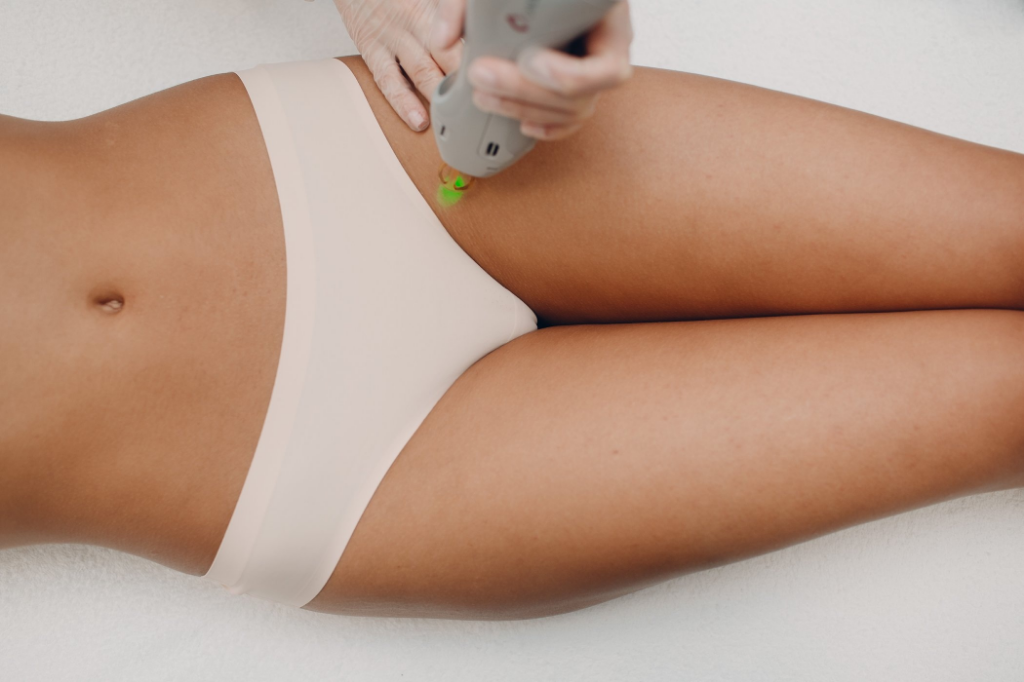

Genital laser hair removal is a procedure aimed at long-term reduction of unwanted hair using laser technology. The laser energy targets hair follicles and may contribute to hair growing back finer and less densely over time. Because the genital area has sensitive skin, selecting the appropriate laser type and correct settings is particularly important.
Laser hair removal can be preferred by both women and men. It is commonly chosen for hygiene and aesthetic reasons. During treatment, device settings are adjusted based on skin type and hair characteristics to help achieve suitable outcomes.
While laser hair removal may provide longer-lasting reduction compared to temporary methods, results vary from person to person. Individual hair structure and hormonal factors can influence the overall process. Consulting a qualified professional is recommended before starting treatment.
Advantages of Genital Laser Hair Removal
One of the main advantages of genital laser hair removal is the potential for long-term hair reduction. Compared to shaving or waxing, it may reduce the frequency of maintenance. It may also help decrease the likelihood of ingrown hairs over time.
For individuals with busy schedules, laser hair removal can offer a more convenient alternative to repetitive hair removal routines. With consistent sessions, hair may gradually become thinner and less noticeable.
From an aesthetic perspective, many individuals prefer this method to achieve a smoother appearance. When appropriate devices and correct techniques are used, skin irritation risks may be minimized.
General Information About Genital Laser Sessions
Genital laser hair removal typically requires multiple sessions. The number of sessions depends on personal factors such as skin tone, hair thickness, and hair density. In many cases, a treatment plan of approximately 6 to 8 sessions is recommended, although this may vary.
Sessions are usually spaced 4 to 6 weeks apart. This schedule aligns with the natural hair growth cycle, since laser treatment primarily affects hairs in the active growth phase.
During each session, professionals evaluate the condition of the skin and hair and may adjust settings accordingly. Session duration varies depending on the size of the treated area.
Types of Lasers and Their Effects
Different laser systems are used depending on skin and hair characteristics. The most common types include Alexandrite, Diode, and Nd:YAG lasers.
-
Alexandrite Laser: Often selected for lighter skin tones with darker hair.
-
Diode Laser: Suitable for a broader range of skin tones and may penetrate deeper follicles.
-
Nd:YAG Laser: Frequently preferred for darker skin tones.
The effectiveness of treatment depends on device selection, number of sessions, and individual response. Professional assessment is important to determine the most appropriate system.
Laser Hair Removal in Ankara
Ankara offers a wide range of laser hair removal services across various clinics and aesthetic centers. Individuals considering treatment are encouraged to review clinic credentials and practitioner experience before making a decision.
Typically, an initial consultation is performed to evaluate skin type and hair structure. Based on this assessment, a personalized treatment plan is created.
Many clinics in Ankara use updated technologies and aim to follow current safety standards.
Laser Hair Removal at Ankara Life Polyclinic
Ankara Life Polyclinic is among the centers providing laser hair removal services in Ankara. At the clinic, treatment plans are developed according to individual skin and hair analysis.
Before starting sessions, a detailed evaluation is performed to determine the appropriate laser type and estimated session count. Patients are informed before and after each session to support a well-managed treatment process.
The clinic states that it follows hygiene standards and prioritizes patient satisfaction.
How Many Sessions Are Needed for Genital Laser Hair Removal?
The answer to “How many sessions does genital laser hair removal take?” depends on individual characteristics. In many cases, the process may involve approximately 6 to 8 sessions. However, hair thickness, density, and hormonal factors can influence the total number required.
Sessions are typically scheduled 4 to 6 weeks apart to align with the hair growth cycle. Adhering to recommended intervals may support gradual hair reduction.
The most accurate information can be obtained through professional evaluation by a qualified practitioner.
Factors Affecting Session Duration and Frequency
Several factors influence session duration and frequency:
-
Skin Type and Hair Color: Individuals with lighter skin and darker hair may respond differently than those with darker skin tones or lighter hair.
-
Type of Laser Device: Different devices operate at varying wavelengths and penetration depths.
-
Hormonal Balance: Hormonal fluctuations or certain medications may influence hair growth patterns.
Because of these variables, laser hair removal treatment plans should always be individualized. Consulting a professional before starting treatment helps establish realistic expectations.
 Call
Call
 Whatsapp