


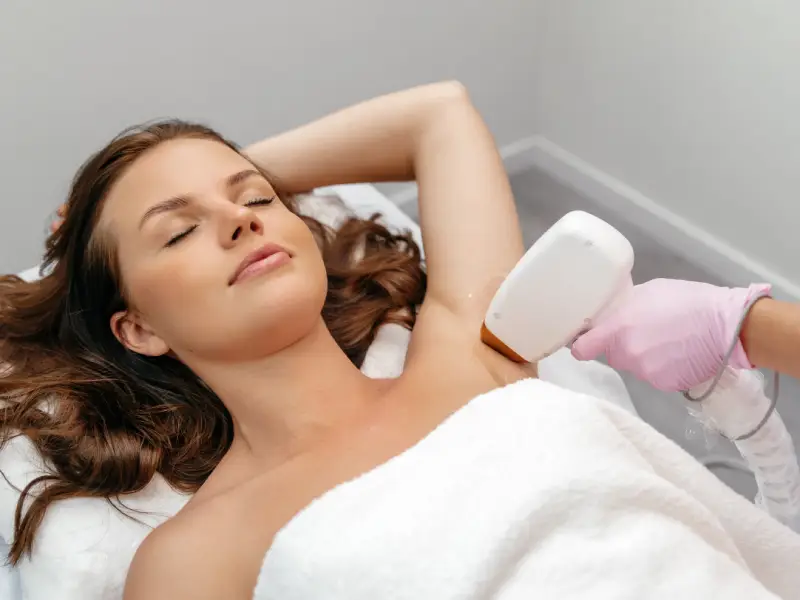

Ice laser hair removal is one of the commonly preferred device-based laser hair removal methods. The treatment is designed to provide long-term reduction of unwanted hair. One of its distinguishing features is the use of cooling technology, which may help limit heat sensation on the skin and improve comfort during treatment.
Ice laser technology can be adjusted according to different skin tones and hair characteristics. However, suitability should be determined individually, as not every device or treatment setting is appropriate for every skin type. At centers providing Ankara Laser applications, treatment plans may be prepared according to individual skin and hair characteristics.
Another practical advantage of ice laser hair removal is that sessions may be completed relatively quickly, including in larger treatment areas. Treatment duration depends on the size of the area and the technology used.
Advantages of Ice Laser Hair Removal
Ice laser hair removal may offer several practical advantages. Cooling technology can help reduce the sensation of heat during treatment and may make the procedure more comfortable for some individuals.
Another advantage is the possibility of achieving long-term hair reduction over a series of appropriately planned sessions. Hair density and thickness may gradually decrease, although results vary from person to person.
Treatment settings can also be adjusted according to skin tone, hair structure, treatment area, and individual sensitivity. This allows the procedure to be personalized according to the individual's needs.
How Many Sessions Does Ice Laser Hair Removal Take to Show Results?
Ice laser hair removal generally requires multiple sessions before noticeable hair reduction develops.
Some individuals may notice changes after the first few sessions, but a treatment plan of approximately 6–8 sessions may be considered in certain cases. This is not a fixed number. The total number of sessions depends on factors such as hair density, hair thickness, treatment area, skin characteristics, hormonal influences, and individual response.
Hormonal factors and genetic characteristics may also influence the treatment process. For this reason, an individualized treatment plan is generally preferable.
At centers providing Ankara Laser applications, session intervals may sometimes be planned at approximately 4–6 weeks. However, the appropriate interval depends on the body area and the individual's hair growth cycle.
Frequency of Ice Laser Hair Removal Sessions
The frequency of ice laser hair removal sessions is generally planned according to the natural hair growth cycle.
Intervals of approximately 4–6 weeks may be suitable for some treatment areas, but the timing can vary. Facial areas, for example, may follow a different hair growth cycle from areas such as the legs or back.
Hair density, thickness, treatment area, and response to previous sessions should all be considered when determining session frequency.
For this reason, the same schedule should not automatically be applied to every individual.
What Should Be Considered Before and After Ice Laser Hair Removal?
There are several important points to consider before and after ice laser hair removal.
Before treatment, the skin should generally be clean and dry. Excessive sun exposure and tanning should also be avoided for a period before treatment, as recently tanned or sunburned skin may be more sensitive to laser energy.
After treatment, temporary redness, warmth, mild swelling, or sensitivity may occur. These reactions generally improve gradually.
Sun protection may be recommended after treatment, particularly when the treated area is exposed to sunlight. Gentle moisturizers may also help support skin comfort.
Waxing, tweezing, and other methods that remove hair from the root are generally avoided between laser sessions. Shaving may instead be recommended according to professional instructions.
Following appropriate pre- and post-treatment recommendations can help support the treatment process.
Which Areas Can Be Treated with Ice Laser Hair Removal?
Ice laser hair removal may be used on many areas of the body depending on the device, skin characteristics, and professional assessment.
Common treatment areas include the face, arms, legs, back, chest, underarms, and bikini area.
Treatment parameters should be adjusted according to the sensitivity and characteristics of each area. Facial areas, for example, may require different settings from larger body areas.
Cooling technology may help improve comfort in sensitive areas, although individual responses vary.
Larger areas such as the legs or back may require longer treatment sessions than smaller areas. The treatment plan should be individualized according to hair density, skin type, and treatment goals.
Frequently Asked Questions About Ice Laser Hair Removal
1. Does ice laser hair removal hurt?
The level of discomfort varies from person to person. Cooling technology may help reduce the sensation of heat, stinging, or discomfort during treatment.
2. Can ice laser hair removal be used on everyone?
No single laser hair removal system is suitable for everyone. Suitability depends on skin tone, hair color, hair thickness, treatment area, medical history, medications, and the technology being used. An individual assessment is recommended before treatment.
3. Are the results of ice laser hair removal permanent?
Ice laser hair removal may provide long-term hair reduction after a series of sessions. However, hormonal changes and other individual factors may contribute to new or renewed hair growth over time. Maintenance sessions may occasionally be required.
4. How should hair be removed between sessions?
Methods that remove hair from the root, such as waxing or tweezing, are generally avoided between sessions. Shaving may be recommended because it leaves the hair follicle available for laser targeting.
5. What should be considered after ice laser hair removal?
Excessive sun exposure should generally be avoided after treatment. Appropriate sun protection and gentle moisturizers may be recommended depending on the treatment area and individual skin response.
 Call
Call
 Whatsapp