


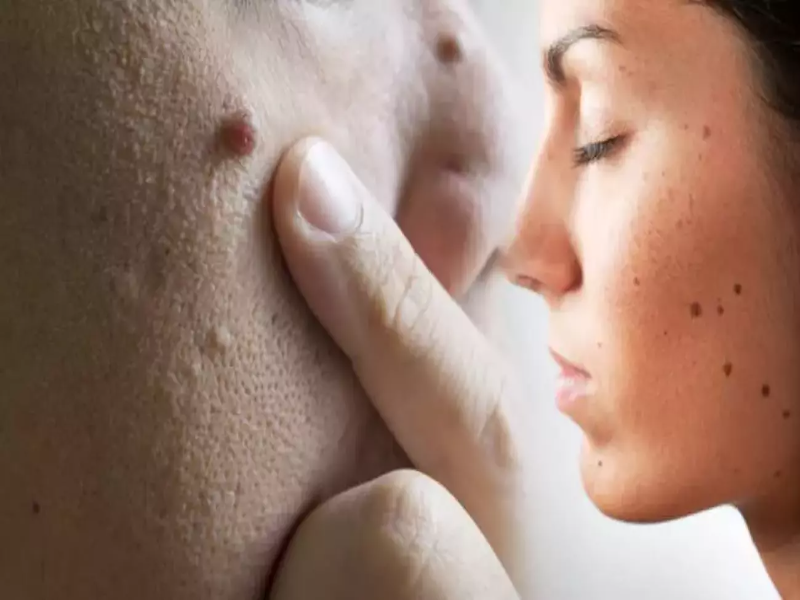

Laser mole removal refers to the use of laser technology for selected benign skin lesions after appropriate professional evaluation. Not every mole is suitable for laser treatment. In particular, moles that are changing, unusual, or considered suspicious should first be assessed by a dermatologist, as biopsy or surgical removal may be required for diagnosis.
Laser technology uses light energy at specific wavelengths to target selected tissue. Depending on the type of lesion and laser system used, the treatment may gradually reduce the appearance of an appropriately selected benign lesion.
Many clinics in Ankara provide treatments for different types of skin lesions. Before any procedure, characteristics such as the lesion's structure, size, depth, color, and clinical appearance should be evaluated. This assessment is important for determining whether laser treatment is appropriate. Suspicious melanocytic lesions generally require a different diagnostic approach rather than simply being destroyed with a laser.
Potential Benefits of Laser Mole Removal
Laser Mole Removal may offer certain practical advantages in carefully selected benign lesions. Depending on the lesion type and technology used, treatment may involve a relatively short procedure and a limited recovery period.
Another potential advantage is that the treatment can be directed toward a specific area. However, the likelihood of scarring, pigmentation changes, recurrence, and other unwanted effects varies according to the lesion, skin type, laser technology, and individual healing response.
For this reason, the aim should not simply be to remove every mole with a laser. Professional evaluation is particularly important for pigmented or changing lesions. Ankara Laser centers offering such procedures should assess whether the lesion is suitable for laser treatment before proceeding.
Number of Sessions for Laser Mole Removal
The number of sessions required for laser treatment can vary depending on the type, size, depth, color, and location of the lesion, as well as the individual's skin characteristics.
Some small and superficial benign lesions may respond to a single treatment, whereas other lesions may require more than one session. The exact number cannot be determined without examining the lesion.
When planning treatment, factors such as pigmentation and anatomical location may also be taken into account. Adequate time should be allowed between treatments for the skin to recover.
Regardless of the number of sessions, appropriate aftercare and follow-up are important. If the treated area changes unexpectedly or the lesion appears to return, dermatological assessment should be sought. The American Academy of Dermatology advises returning to a dermatologist if a removed mole grows back.
When Do the Effects of Laser Mole Removal Become Visible?
Changes in the treated area may begin to become noticeable after the procedure, but the final appearance generally depends on the skin's healing process and the characteristics of the lesion.
Temporary redness, sensitivity, or crusting may occur after some laser procedures. The recovery time varies from person to person and according to the treatment performed.
As the treated skin heals, the appearance of the area may continue to change over the following weeks. Larger or deeper lesions may require additional evaluation or treatment rather than a predetermined number of laser sessions.
Following the skin care instructions provided by the treating professional, avoiding unnecessary irritation, and protecting the area from excessive sun exposure may help support recovery.
Laser Mole Removal Process
The process generally begins with an examination of the skin lesion. The practitioner should assess the lesion's appearance and determine whether laser treatment is appropriate.
This step is particularly important because a suspicious mole should not simply be treated cosmetically without appropriate diagnostic assessment. A skin biopsy is the definitive method used to determine whether a suspicious lesion is skin cancer.
If the lesion is considered suitable for laser treatment, the area is cleaned and local anesthesia may be used depending on the procedure and individual needs.
The duration of treatment varies according to the number, size, and location of the lesions. Temporary redness, swelling, tenderness, or crusting may occur afterward.
The treating professional should provide individualized instructions about wound care, cleansing, moisturizing, and sun protection during the recovery period.
What Should Be Considered with Laser Mole Removal?
Sun protection is important during the healing period after many procedures involving the skin. Excessive UV exposure may contribute to pigmentation changes in healing skin.
Products that may irritate the treated area, including harsh exfoliants and alcohol-based products, may need to be temporarily avoided depending on professional advice.
Crusting that develops after treatment should not be picked or removed manually. Allowing the area to heal naturally can help reduce unnecessary irritation.
Most importantly, any mole that changes in size, shape, color, border, or appearance should be assessed by a dermatologist rather than being treated solely as a cosmetic concern.
Aftercare Following Laser Mole Removal
Appropriate aftercare depends on the treatment performed and the condition of the skin.
The area may temporarily feel sensitive after treatment. Gentle cleansing and products recommended by the treating professional may be used to support healing.
Sun protection may also be recommended, particularly for exposed areas. Ankara Laser professionals may provide individualized instructions about the type of sunscreen or skin care products that can be used after treatment.
If unexpected symptoms such as increasing pain, significant swelling, discharge, persistent bleeding, or another concerning change develops, professional medical advice should be sought.
Frequently Asked Questions About Laser Mole Removal
Does laser mole removal hurt?
The level of discomfort varies according to the treatment method, lesion, location, and individual sensitivity. Local anesthetic may be used to improve comfort during the procedure.
Is laser mole removal suitable for every skin type and every mole?
No. Suitability depends not only on skin type but also on the characteristics of the lesion. Suspicious, changing, or diagnostically uncertain moles require medical evaluation and may need biopsy or surgical excision rather than laser treatment.
Will there be a scar after the procedure?
No procedure can guarantee that there will be no scar. The final appearance depends on factors such as the treatment method, depth and size of the lesion, anatomical location, skin type, individual healing response, and aftercare.
Professional evaluation before the procedure is therefore important for selecting an appropriate treatment method and discussing realistic expectations.
 Call
Call
 Whatsapp