


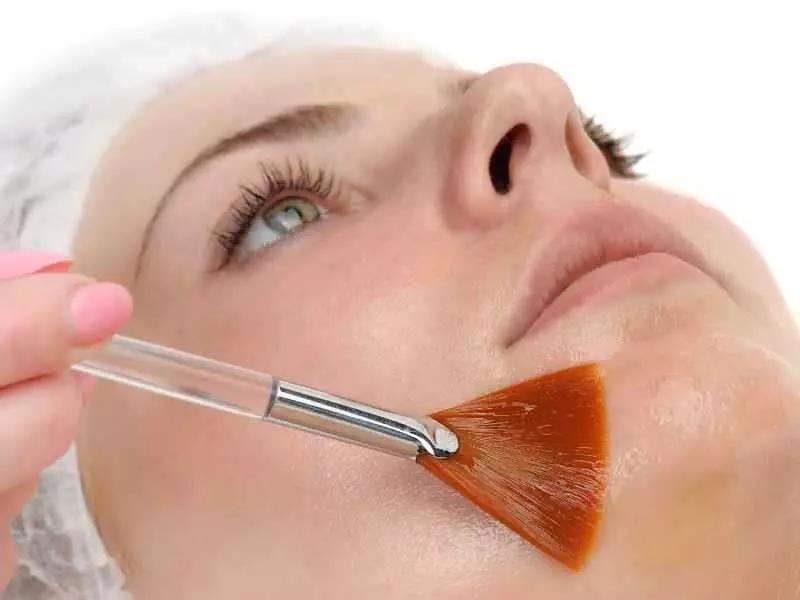

Peeling is a skin treatment method that removes part of the outermost layer of dead skin cells and may support a smoother and more even-looking skin surface. It can be used for selected concerns such as pigmentation, post-acne marks, uneven texture, and fine lines.
During a peeling procedure, chemical or mechanical methods may be used to exfoliate the outer layers of the skin. The depth and effect of the procedure vary according to the peeling method, the product or device used, and the individual's skin characteristics.
For pigmentation treatment, certain peeling methods may help reduce the visible appearance of sun-related spots, age-related pigmentation, and other superficial discoloration concerns. Treatment should be individualized according to skin type, the depth of pigmentation, and overall skin condition.
Potential Benefits of Peeling for Pigmentation
Peeling for pigmentation may help improve the visible appearance of certain superficial skin concerns.
By removing part of the outermost layer of dead skin cells, peeling may contribute to a brighter and smoother-looking skin surface.
Some peeling procedures may also help improve uneven texture and the appearance of selected post-acne marks or fine lines. However, results depend on the type and depth of the procedure.
Peeling may also be used as part of a broader skin care or pigmentation treatment plan, depending on individual needs.
Peeling Methods
Peeling procedures can be performed using different techniques. The most appropriate method depends on skin type, treatment goals, and the condition being treated.
1. Chemical Peeling
Chemical peeling involves applying a controlled chemical solution to the skin.
Depending on the type and concentration of the solution, the procedure may help improve superficial pigmentation, uneven skin tone, fine lines, and selected post-acne marks.
The depth of the peel and recovery period vary according to the chemical used and the treatment protocol.
2. Mechanical Peeling
Mechanical peeling, including procedures such as microdermabrasion, physically exfoliates the outermost layer of the skin.
It may be considered for certain superficial texture and pigmentation concerns. However, suitability for sensitive skin should be assessed individually rather than assumed.
3. Laser Peeling
Laser-based resurfacing procedures use controlled laser energy to treat selected layers of the skin.
At centers providing Ankara Laser applications, laser-based treatments may be considered for certain pigmentation or texture concerns depending on the individual's skin characteristics.
Different laser systems have different effects, so suitability and expected results depend on the technology, treatment depth, and skin condition.
Number of Sessions for Peeling Pigmentation Treatment
The number of sessions required for peeling pigmentation treatment varies according to the type of peel, the depth and cause of the pigmentation, skin type, and individual response.
Some superficial pigmentation concerns may show gradual improvement after a few sessions, while other conditions may require a longer treatment plan.
A plan of approximately 3–6 sessions may be considered in some cases, particularly with certain superficial peeling protocols. However, this should not be regarded as a fixed standard.
For deeper or more persistent pigmentation concerns, treatment planning may differ significantly. In some cases, a combination of approaches may be considered instead of simply increasing the number of peeling sessions.
The skin's response should be evaluated after each session, and the treatment plan should be adjusted when necessary.
What Should Be Considered After Peeling?
Appropriate skin care after peeling is important for supporting recovery.
Temporary redness, dryness, tightness, or sensitivity may occur depending on the depth of the treatment.
Sun protection is particularly important because treated skin may temporarily become more sensitive to ultraviolet exposure. Broad-spectrum sunscreen and limiting excessive direct sun exposure may be recommended.
Gentle moisturizers can help support the skin barrier and reduce dryness.
Hot water, harsh cleansers, strong exfoliants, retinoids, acids, or other potentially irritating products may need to be temporarily avoided depending on the type of peel performed.
Post-treatment care should be individualized according to the procedure and the condition of the skin.
Frequently Asked Questions About Peeling Treatment
Who may be suitable for peeling treatment?
Peeling may be considered for selected concerns such as superficial pigmentation, uneven skin tone, fine lines, texture irregularities, and some post-acne marks.
However, suitability depends on skin type, skin sensitivity, the specific condition being treated, and the peeling method used.
What changes may be noticed after peeling?
Depending on the procedure, the skin may gradually appear smoother, brighter, or more even in tone.
Temporary redness, dryness, peeling, or sensitivity may also occur during the recovery period.
How often should peeling be performed?
The appropriate interval depends on the type and depth of the peeling procedure.
Some superficial peels may be repeated at intervals of several weeks, while deeper procedures may require much longer recovery periods and different treatment schedules.
For this reason, session frequency should be determined according to the specific procedure and individual skin response.
 Call
Call
 Whatsapp