


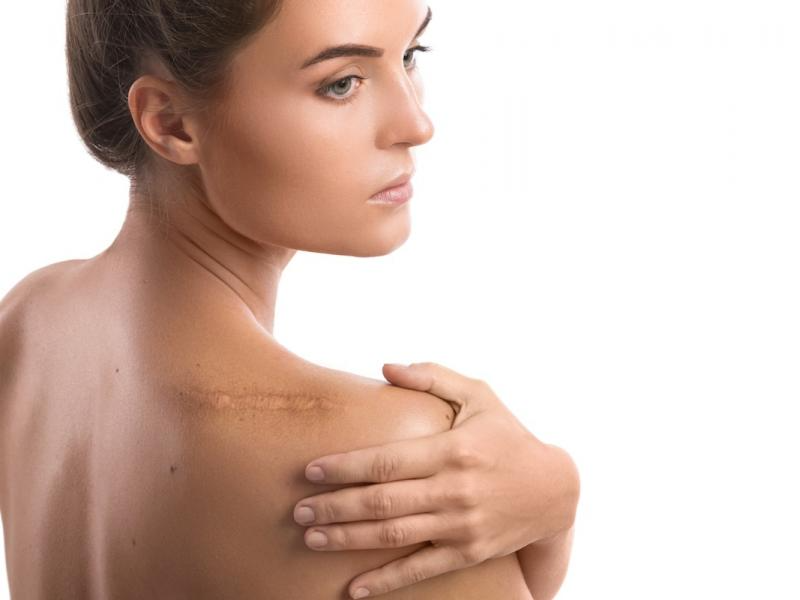

Laser treatment may be used to reduce the visible appearance of selected Scars, scratches, and other skin marks. Different laser systems work in different ways; some resurface the skin, while others create controlled effects below the surface. The aim is generally to improve scar texture or color rather than guarantee complete removal.
Laser treatment can target different components of scar tissue depending on the technology used. Different wavelengths and treatment settings act at different depths, and the choice of laser depends on the scar's type, color, age, thickness, and location. Selected Wound Scars and Stretch Marks may become less noticeable, but results vary between individuals.
Improvement in scar appearance may also affect how some individuals feel about their skin. However, changes in self-confidence or emotional well-being cannot be guaranteed and vary according to the individual.
The Role of Laser in Scar Treatment
Laser Scar Treatment has become one of several procedural options used for selected scars. Its main advantage is the ability to create controlled effects at specific depths or target certain vascular, pigment, or textural characteristics. However, not every deep or mature scar is suitable for laser treatment.
Some laser procedures can stimulate a wound-healing response associated with collagen remodeling. Collagen is an important structural component of the skin, and changes in remodeling can help improve selected scar textures over time. This process is gradual rather than an immediate regeneration of normal skin.
Many laser treatments are less invasive than surgical scar revision, but this does not mean they are always preferable or lower risk. Some scars may respond better to surgery, injections, silicone therapy, subcision, or combination treatment depending on their characteristics.
Potential Advantages of Laser Scar Treatment
One potential advantage is that some individuals may notice gradual improvement after several sessions. However, the speed and degree of change cannot be predicted solely from the number of sessions, and some scars respond only partially.
Temporary redness, swelling, warmth, dryness, sensitivity, or pigment changes may occur. Discomfort varies according to treatment intensity and may range from mild to more noticeable. Recovery time also differs between non-ablative and ablative procedures.
Laser settings can be adjusted according to skin phototype and scar characteristics. Individualized treatment planning is important for balancing potential benefit with risks such as irritation, pigment changes, or prolonged recovery, but personalization cannot guarantee a particular result.
Laser Scar Treatment Process
Laser Scar Treatment usually begins with an assessment of the scar and the surrounding skin. Scar type, age, color, thickness, location, medical history, previous treatments, skin phototype, and expectations may all be considered before treatment is planned.
The device and treatment parameters are then selected according to the intended target. Wavelength is only one of several important variables; fluence, pulse duration, density, spot size, cooling, and treatment depth may also influence the effect. Settings should be selected by an appropriately qualified professional.
During treatment, laser energy is applied to the selected area to create a controlled therapeutic effect. Depending on the technology, this may involve resurfacing, vascular targeting, pigment targeting, or stimulation of dermal remodeling. Time is then allowed for skin recovery before further treatment is considered.
How Many Sessions Are Required? Factors and Variables
The question of how many sessions may be required for laser scar treatment has no single answer. Scar type and severity are important factors. Some superficial or color-related scars may respond differently from deep, tethered, hypertrophic, or keloid scars, and some may require combination treatment rather than simply more laser sessions.
Skin phototype and individual healing response also influence treatment planning. Certain skin types may require more conservative settings because of pigment-related risks. Scar location, thickness, vascularity, and previous treatment history may further affect the number and spacing of sessions.
Response should generally be reviewed during treatment rather than assuming a predetermined course will be appropriate. Progress, side effects, and recovery can be assessed before deciding whether additional sessions, a different laser, or another treatment method should be considered.
What Should Be Considered During Treatment?
Before treatment, the skin should be prepared according to the clinician's recommendations. Avoiding tanning or excessive ultraviolet exposure may be important before certain lasers. Moisturization may support a healthy skin barrier but does not automatically increase laser effectiveness.
During the treatment period, potentially irritating products may need to be adjusted. Strong exfoliants, retinoids, acids, or harsh cleansers can increase sensitivity around some laser procedures. The exact routine should depend on the laser used and professional instructions.
After treatment, sun protection and gentle skin care are often important. Broad-spectrum sunscreen and limiting excessive sun exposure may reduce the risk of post-treatment pigment changes, but these measures cannot guarantee treatment success or prevent every possible skin reaction.
Recovery After Laser Treatment
Recovery after laser treatment depends on the laser technology and treatment depth. Temporary redness or swelling may occur after some procedures. In more intensive resurfacing treatments, crusting, oozing, sensitivity, or a longer recovery period may occur.
Appropriate moisturization and products recommended for the specific procedure may help support barrier recovery. Sun protection is also important, but it should not be stated that avoiding the sun completely prevents new scars from forming.
Patience is important because improvement in scar appearance can continue gradually as the skin remodels. The treatment plan may need to be adjusted according to response, and complete disappearance of the scar should not be expected or guaranteed.
 Call
Call
 Whatsapp