


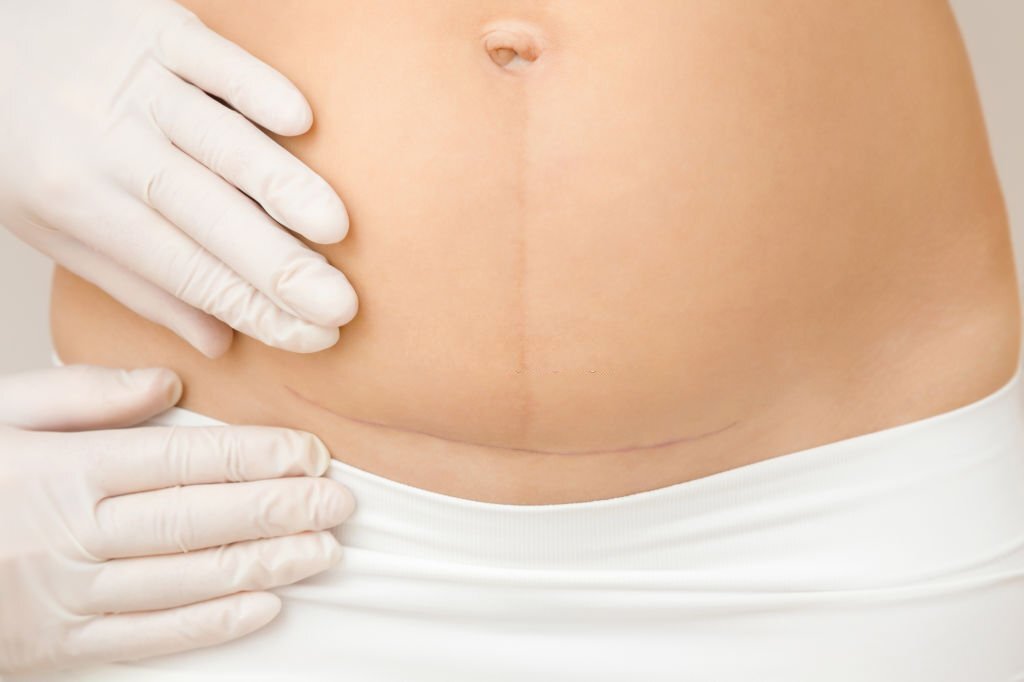

Surgical scar treatment includes a range of procedures intended to reduce the visibility of marks that develop after an operation. In addition to aesthetic concerns, treatment may also be considered to improve psychological comfort and reduce physical symptoms. This process is included among scar, wound-mark and stretch-mark treatments and may involve different methods.
Surgical scars develop as part of the skin’s natural healing process. Although many scars gradually fade, some may remain noticeable or become raised, widened or discoloured. Scars located on visible areas such as the face, neck or hands may affect self-confidence.
In Türkiye, Ankara Laser treatments are among the options considered for surgical scars. Different laser technologies may help improve redness, pigmentation or uneven texture. However, every treatment plan should be prepared according to the individual’s skin characteristics and the type of scar.
The Importance of Surgical Scar Treatment
Surgical scar treatment may be important not only for aesthetic reasons but also for psychological, social and physical comfort. Cosmetic products may temporarily conceal a scar, but they do not usually change its structural characteristics.
Reducing the visibility of a surgical scar may help an individual feel more comfortable with their appearance. For some people, a scar may also serve as a reminder of a difficult medical experience, and improvement in its appearance may have a positive emotional effect.
Certain scars may cause physical symptoms. Wide, raised or contracted scars can affect skin flexibility, cause itching or discomfort and, when located near a joint, restrict movement. Surgical revision or other medical methods may be considered in such cases.
Treatment usually aims to make the scar less noticeable and improve symptoms rather than remove it completely.
Methods Used in Surgical Scar Treatment
The selected treatment method depends on the scar’s size, depth, colour, texture, age and location.
Laser Treatment
Laser treatment may be performed using different technologies. Some lasers target redness or pigmentation, while fractional lasers may stimulate collagen remodelling and improve uneven texture.
Laser treatment does not remove every scar completely, and the required number of sessions varies according to the device, treatment intensity and the individual’s response.
Chemical Peeling
Chemical peeling exfoliates selected layers of the skin in a controlled manner. It may help improve superficial pigmentation and mild texture irregularities.
This method is generally not sufficient for deep, raised or contracted surgical scars.
Microdermabrasion
Microdermabrasion mechanically exfoliates the outer layer of the skin. It may reduce the appearance of mild superficial irregularities but usually has a limited effect on deeper structural scars.
Other Treatment Options
Depending on the type of scar, treatment may also include silicone gels or sheets, corticosteroid injections, microneedling, dermal fillers or surgical revision.
A combination of methods may be required in certain cases.
How Many Sessions May Surgical Scar Treatment Require?
There is no single session number that applies to every surgical scar. The number of treatments depends on the scar’s type, depth, size, age and response to the selected procedure.
Mild, superficial scars may show improvement after a limited number of sessions. Deeper, wider, raised or older scars may require a longer treatment process or a combination of methods.
Fixed statements such as three to five sessions for mild scars or eight to ten sessions for deeper scars cannot be guaranteed without examining the scar. Some individuals may need fewer sessions, while others may require more treatment or may achieve only limited improvement.
The interval between sessions also varies. The skin must be given sufficient time to recover and remodel before another procedure is performed.
An individual treatment plan should be prepared after a specialist evaluates the scar and surrounding skin.
Factors That Affect the Number of Sessions
Several factors influence how many sessions may be required.
Type and Depth of the Scar
Flat, raised, depressed, widened and contracted scars respond differently to treatment. Deeper or more extensive scars may require more complex treatment.
Skin Type and Tone
Skin sensitivity and tone influence both treatment selection and possible side effects. Individuals with darker skin tones may have a higher risk of temporary or persistent pigmentation changes after certain procedures.
Age of the Scar
New scars may continue changing naturally for many months. In some cases, conservative measures such as silicone products and sun protection may be recommended before more intensive procedures.
Older scars may still be treated, but their response varies.
General Health and Lifestyle
Smoking may impair blood flow and delay tissue repair. Medical conditions such as uncontrolled diabetes or impaired wound healing may also affect treatment and recovery.
Balanced nutrition and appropriate skincare may support general healing but cannot guarantee faster scar removal.
Selected Treatment Method
Different methods require different numbers of sessions. Laser treatment does not always provide results in fewer sessions than peeling or microdermabrasion. The outcome depends on the scar and the specific technology used.
Experience of the Practitioner
A qualified and experienced practitioner can help select suitable settings and reduce avoidable risks. However, practitioner experience cannot guarantee faster or complete results.
Expected Results from Surgical Scar Treatment
The main aim of treatment is generally to reduce the scar’s visibility, improve colour and texture and create a smoother transition between the scar and the surrounding skin.
After treatment, the scar may become flatter, softer, lighter or less noticeable. Physical symptoms such as itching, tightness or discomfort may also improve in selected cases.
Completely scar-free skin cannot always be achieved. The extent of improvement varies according to the scar’s characteristics and the individual’s healing response.
Establishing realistic expectations before treatment is important. The specialist should explain the possible benefits, limitations, recovery period and risk of side effects.
Frequently Asked Questions About Surgical Scar Treatment
1. Is Surgical Scar Treatment Painful?
The level of discomfort depends on the method used. Mild warmth, stinging or sensitivity may occur during laser treatment, microneedling or injections.
Topical or local anaesthesia may be used for selected procedures to improve comfort.
2. How Should the Skin Be Cared for After Treatment?
The treated area may temporarily become sensitive. Gentle cleansing, appropriate moisturising and sun protection are generally recommended.
Products prescribed or approved by the treating specialist should be used. Scrubs, retinoids, exfoliating acids and irritating products may need to be paused during recovery.
3. Are the Results Permanent?
Structural improvements achieved through scar remodelling may be long-lasting. However, treatment cannot guarantee that the scar will disappear completely or never change again.
Sun exposure, skin ageing, changes in body weight and further injury may affect the appearance of the treated area.
Consistent sun protection and appropriate skincare may help maintain the results.
In conclusion, the number of sessions required for surgical scar treatment varies from person to person. A detailed evaluation is necessary to determine the most suitable method, realistic treatment goals and expected duration.
 Call
Call
 Whatsapp