


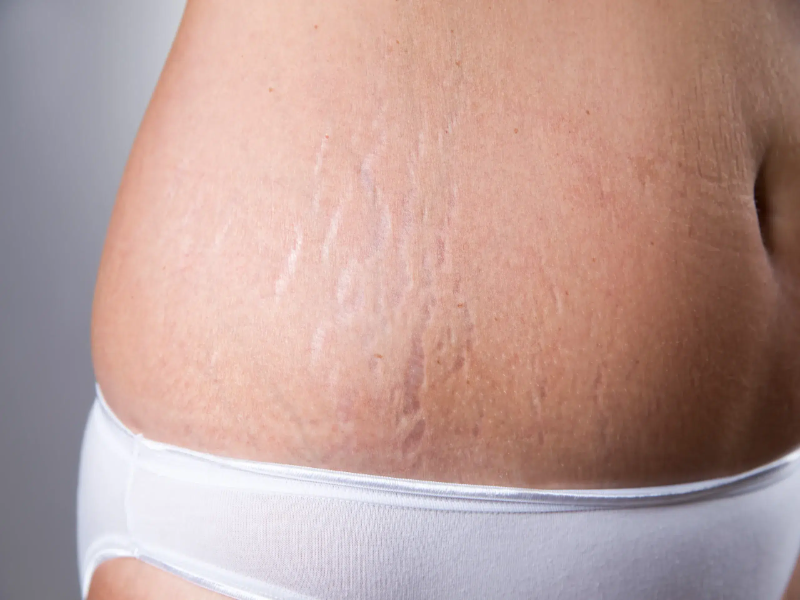

Stretch mark treatment includes procedures intended to reduce the visible appearance of striae. Stretch marks are different from conventional Scars and Wound Scars, although some remodeling techniques may be used for more than one of these conditions. Stretch Mark Treatment in Çankaya may include different procedural options depending on the appearance and stage of the stretch marks.
Stretch marks, or striae distensae, are associated with structural changes in the dermal connective tissue rather than simply being tears that can be erased from the skin. Treatment generally aims to make them less noticeable rather than completely remove them.
Laser procedures, microneedling, radiofrequency, and selected other approaches may be considered. Chemical peels may have a more limited role in deeper structural stretch marks. Professional assessment can help determine which option may be appropriate.
Causes and Types of Stretch Marks
Several factors contribute to stretch mark development, including genetic predisposition, hormonal influences, rapid growth, pregnancy, and substantial changes in body size. Skin stretching is one component of a more complex biological process.
Stretch marks are often described according to their stage. Striae rubrae are earlier stretch marks that may appear red, pink, or purple, while striae albae are more mature and usually lighter in color. Earlier and older stretch marks may respond differently to treatment, but earlier intervention does not guarantee a superior outcome.
Hydration, nutrition, and lifestyle contribute to general skin health but are not considered primary causes or treatments for existing stretch marks. Genetic and hormonal factors can remain important even when an individual follows a healthy lifestyle.
Stretch Mark Treatment Methods in Çankaya
Different methods can be considered according to skin characteristics and stretch mark stage. Selected Ankara Laser technologies are among these options.
- Laser Treatment: Different laser systems may target redness, pigmentation, or structural characteristics of stretch marks and support remodeling. The effect varies according to the device and stretch mark type.
- Microneedling: Controlled micro-injuries may stimulate a remodeling response and reduce the visible appearance of selected stretch marks.
- Chemical Peeling: Peels can affect superficial skin layers and may help selected color or texture concerns, but their effect on established deep striae can be limited.
Combination treatment may be considered in selected individuals, but combining methods does not automatically produce better results.
How Many Sessions May Stretch Mark Treatment in Çankaya Require?
There is no fixed number of sessions for Stretch Mark Treatment in Çankaya. Laser treatment may involve several sessions, but the number depends on the laser system, treatment depth, body area, stretch mark stage, and individual response.
Microneedling and other procedures may also require more than one session. Rather than assuming that three, four, or six sessions will be sufficient, the response should be reassessed during the treatment course.
The interval between treatments should allow appropriate skin recovery. Moisturization and ultraviolet protection may be recommended according to the procedure, but they do not determine whether treatment results will remain permanent.
What Should Be Considered During Treatment?
Professional assessment of the skin and stretch marks is an important first step. The individual's medical history, skin phototype, stretch mark location, pregnancy status when relevant, and previous treatments should all be considered.
Appropriate skin care can support barrier recovery after selected procedures. Moisturization may reduce dryness, while sun protection can be important when treated skin is susceptible to pigment changes. These measures cannot guarantee improved treatment effectiveness.
Balanced nutrition and adequate hydration support general health but should not be expected to directly reduce existing stretch marks or substantially restore lost skin elasticity.
Results and Effects of Stretch Mark Treatment
Results vary considerably between individuals. Appropriate treatment may reduce the color contrast, width, or textural visibility of selected stretch marks, but complete removal is generally not expected.
Skin remodeling may continue for several weeks or months after selected treatments. This process does not necessarily mean that all individuals will experience increased elasticity or tightening to the same degree.
Temporary redness, swelling, dryness, or sensitivity may occur. Their duration varies according to the procedure, and more intensive treatments may require more than a few days of recovery.
Recommendations for Individuals Considering Treatment in Çankaya
Individuals considering stretch mark treatment may benefit from professional assessment before choosing a technique. Treatment should be selected according to the stretch marks rather than according to popularity alone.
Patience is important because visible improvement usually develops gradually. Skin care should be adapted to the treatment and individual tolerance.
After treatment, general skin care and healthy lifestyle habits can support overall skin health. However, they do not guarantee that existing results will remain unchanged or prevent new stretch marks from developing in the future.
Frequently Asked Questions About Stretch Mark Treatment in Çankaya
1. Is stretch mark treatment painful?
Discomfort varies according to the procedure, body area, settings, and individual sensitivity. Some methods are minimally invasive and may cause stinging, warmth, or tenderness, while others may require topical anesthesia.
2. Are the results permanent?
Improvement may be long-lasting in selected cases, but future pregnancy, weight change, growth, or hormonal factors can lead to new stretch marks. Maintenance sessions are not automatically necessary for everyone.
3. Can everyone undergo stretch mark treatment?
Not every procedure is appropriate for everyone. Pregnancy, breastfeeding, active skin disease, certain medications, infection, and other medical considerations may influence suitability. The restrictions depend on the specific procedure rather than applying identically to all stretch mark treatments.
 Call
Call
 Whatsapp