


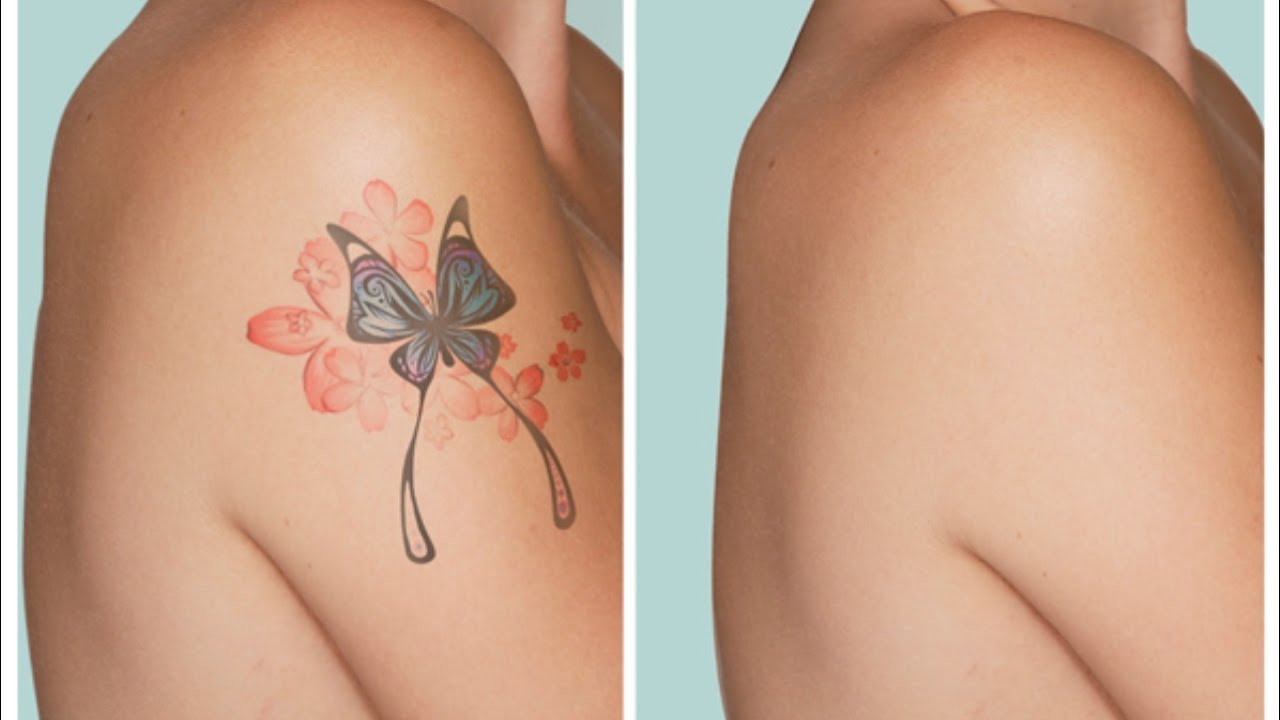

Tattoo removal is a process that varies depending on the characteristics of the tattoo (color, size, depth, etc.) and the person's skin structure. Although it usually requires several sessions, in some cases a single session may be sufficient. Tattoo removal is a safe and effective method, and excellent results can be achieved when applied by professional hands.
Benefits of Tattoo Removal
There are many benefits of tattoo removal:
Elimination of Regret: It provides the opportunity to get rid of tattoos that were made in the past and are no longer wanted.
Appearance Improvement: Tattoo removal can also remove scars and blemishes on the skin, resulting in a smoother and more homogeneous appearance.
Career and Business Life: In some business environments, visible tattoos may be perceived negatively. Tattoo removal can prevent such problems.
Personal Development: Tattoo removal can increase a person's self-confidence and make them feel better.
Health Advantages: Tattoo removal can also eliminate infection and skin problems caused by the tattoo.
The Most Effective Methods for Tattoo Removal
The most effective methods used for tattoo removal are:
Laser Tattoo Removal: It is the most common and effective method. Using various laser technologies (Q-Switched Laser, Picosecond Laser, etc.), the pigments of the tattoo are broken down and removed by the body.
Chemical Peel: Tattoo pigments are removed using chemical agents. It is a less common method and may be riskier.
Surgical Removal: Surgical removal of a tattoo is a last resort method. It is a more invasive procedure and has a higher risk of leaving scars.
How Much Should You Pay for Tattoo Removal?
The cost of tattoo removal varies depending on several factors:
Size and complexity of the tattoo
Color of the tattoo (darker colors cost more)
Laser technology used
Number of sessions (usually between 3-8 sessions)
City and clinic where the procedure was performed
Doctor's experience and expertise
On average, the cost of removing a small tattoo varies between 500-1,000 TL, while a cost of 3,000-5,000 TL is expected for large and complex tattoos. Prices may vary depending on individual needs, so it is recommended to obtain a quote in advance.
How is Tattoo Removal Done?
The tattoo removal process usually includes the following steps:
Preliminary Evaluation: First, the characteristics of the tattoo (color, size, depth, etc.) and skin structure are evaluated by the doctor or expert tattoo removal specialist. This evaluation is important for selecting the appropriate laser technology.
Laser Application: The selected laser technology is applied to break down tattoo pigments. A slight burning sensation or pain may be felt during this procedure, but pain is usually minimized with local anesthesia.
Healing Process: After laser application, redness, swelling and crusting may occur in the tattoo area. This condition usually passes within 1-2 weeks. It is recommended to use area-specific care products.
Follow-up Sessions: Tattoo removal requires several sessions, usually performed 4-8 weeks apart. Each session advances the process of removing the tattoo.
Result Evaluation: After the last session, it is observed that the tattoo is completely or partially erased. In some cases, additional sessions may be needed to completely remove the tattoo.
Things to Consider for Tattoo Removal
The following points should be taken into consideration during and after the tattoo removal process:
Have the procedure done by an experienced and certified professional.
Inform your doctor about your health condition and possible medication use.
During and after the procedure, take into account the sensitivity of your skin.
Take care to clean and care for the tattoo area during the healing process.
Avoid exposure to sunlight, otherwise there is a risk of staining.
Avoid smoking and alcohol use, as they can negatively affect healing.
Tattoo Removal Aftercare Tips
After tattoo removal, the healing process of the skin is important. The following tips can help you with this process:
Keep the tattoo area clean and moist, do not let it dry out.
Avoid soaps, perfumes and products containing chemicals that can irritate the skin.
Apply moisturizing and soothing products to the area.
Protect from sunlight, use sunscreen.
Drink plenty of water and eat healthy.
Avoid physical activities to speed up the healing process.
Use the medications and care products recommended by your doctor regularly.
 Call
Call
 Whatsapp