


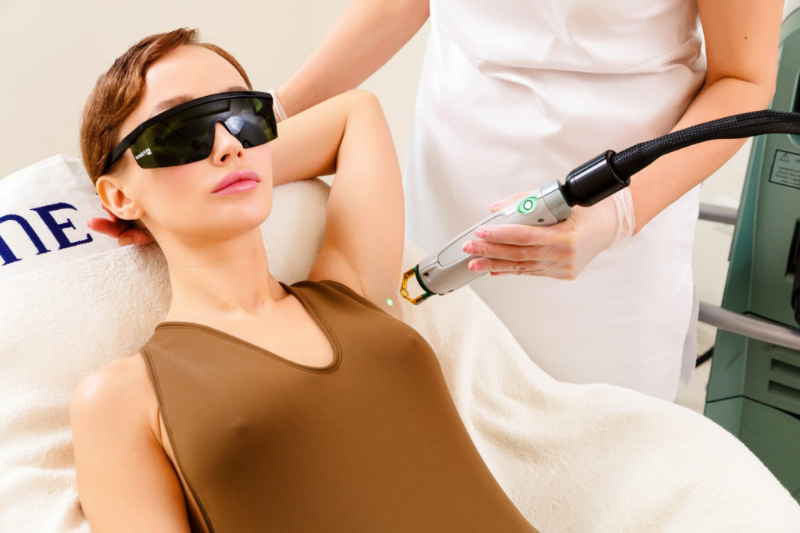

Laser hair removal has become a popular method in recent years, aiming for long-term reduction of unwanted hair. One of the most frequently asked topics is the laser session fee. The overall cost may vary depending on several factors. Below, we provide detailed information about laser session fees and highlight key points to consider during the process.
What Is a Laser Session Fee?
A laser session fee may vary depending on the treatment area, the type of device used, and the number of sessions. Different areas can have different pricing, and as the number of sessions increases, package pricing options may be available. Ankara laser hair removal prices may be considered competitive compared to some other cities, which can be an advantage for individuals considering treatment.
Another factor that affects cost is the service quality offered by the clinic or polyclinic. For example, in a center such as Ankara Life Polyclinic, which may provide higher service standards, prices can be higher. However, the comfort and service quality offered by such centers may be considered worthwhile for some individuals.
In addition, it can be helpful to consider possible long-term cost balance. Instead of frequent temporary methods such as waxing or shaving, laser hair removal may provide long-term reduction, which can make overall costs feel more reasonable over time.
Laser Hair Removal Applications and Types
There are several different types of laser hair removal and application areas. Each is designed for different skin and hair characteristics. Laser hair removal is commonly performed using Alexandrite, Diode, and Nd:YAG laser systems.
-
Alexandrite Laser: Often used for individuals with lighter skin tones. It may work well on certain fine or lighter hair types.
-
Diode Laser: Can be applied to both lighter and darker skin tones with appropriate settings. Due to deeper penetration, it may be suitable for thicker hair as well.
-
Nd:YAG Laser: Often preferred for darker skin tones and can reach deeper hair follicles.
The most suitable laser type should be determined based on skin tone, hair structure, and the characteristics of the treatment area. Each option has its own advantages and limitations. A dermatologist’s recommendation can help guide the choice.
Laser Session Duration: How Long Does It Take?
Session duration varies depending on the area treated and the laser type used. For example, small areas such as the upper lip or underarms may take about 5–10 minutes, while larger areas like legs or back may take up to 45 minutes.
Duration may also vary depending on the individual’s skin and hair structure. While thicker, darker hair may show noticeable change sooner for some individuals, finer or lighter hair may require more sessions. For this reason, a pre-session evaluation is important.
Session intervals also matter. Sessions are typically scheduled every 4–6 weeks to align with the hair growth cycle. This can help the process progress in a structured way. Session duration and frequency should be planned individually.
Laser Hair Removal Services at Ankara Life Polyclinic
Ankara Life Polyclinic is a center that focuses on laser hair removal services. Updated devices and experienced professionals may be involved in the process. The clinic is located in central Ankara and aims to provide a planned and professional service experience.
Personalized treatment plans are prepared for each client. After skin and hair analysis, the most suitable laser type is selected and a session schedule is created. This process is carried out carefully to support more structured outcomes.
The clinic operates under hygiene standards and prioritizes customer satisfaction. A professional team provides guidance throughout the process and answers questions, which may help the experience feel more controlled.
Advantages of Laser Hair Removal
Laser hair removal may offer several advantages. First, it aims for long-term reduction of unwanted hair. This may support time and cost balance over time. With laser hair removal, the need for temporary methods such as waxing, shaving, or epilators may be reduced.
Another advantage is that the application process is often relatively fast, and discomfort is generally managed using modern cooling features. This may make it a suitable option for individuals with sensitive skin, depending on personal tolerance.
Laser hair removal may also help reduce issues such as ingrown hairs and irritation for some individuals. While traditional methods can cause redness or ingrown hairs, laser procedures may help reduce these concerns, supporting a smoother skin appearance.
Factors That Affect Laser Session Fees
Several factors can influence the laser session fee. One of the primary factors is the size of the treatment area. Larger areas require more time and effort, which can increase costs. For example, legs or back may cost more than smaller areas such as the upper lip or chin.
The laser technology used is another important factor. Newer systems can be more expensive to operate. However, for some individuals, they may contribute to noticeable change within fewer sessions, which can help with overall cost planning.
Finally, the location of the clinic and its service quality are also important. In large cities such as Ankara, clinics offering higher standards of care may have higher prices. For some individuals, service quality and structured procedures can make the cost feel worthwhile.
Aftercare Recommendations Following Laser Hair Removal
After laser hair removal, paying attention to skin care is important. Proper care may support a more balanced process and help the skin remain healthy. First, direct sun exposure should be avoided after treatment. The skin can become more sensitive, and sun exposure may increase the risk of pigmentation concerns.
Keeping the skin moisturized may support recovery. Using an appropriate moisturizer is commonly recommended. Also, avoiding fragranced products can help reduce irritation. Mild redness or swelling may occur temporarily and usually resolves on its own.
Lastly, activities that may irritate the skin—such as sauna or hot showers—should be avoided shortly after treatment. When recommended aftercare steps are followed, the likelihood of unwanted reactions may be reduced.
Which Laser Type Is Right for You?
Laser systems vary depending on skin and hair characteristics. To determine the best option, consulting a specialist is recommended. A professional can assess your skin tone, hair structure, and treatment area to suggest an appropriate device.
For instance, Alexandrite laser is often recommended for lighter skin tones, while Nd:YAG laser may be considered for darker skin tones. Diode laser can be a flexible option for various skin tones, depending on settings. These differences may contribute to a more balanced process.
In conclusion, making the right choices about laser hair removal supports better planning. Professional consultation helps create a treatment plan tailored to your needs, allowing you to proceed in a more informed and controlled way.
 Call
Call
 Whatsapp