


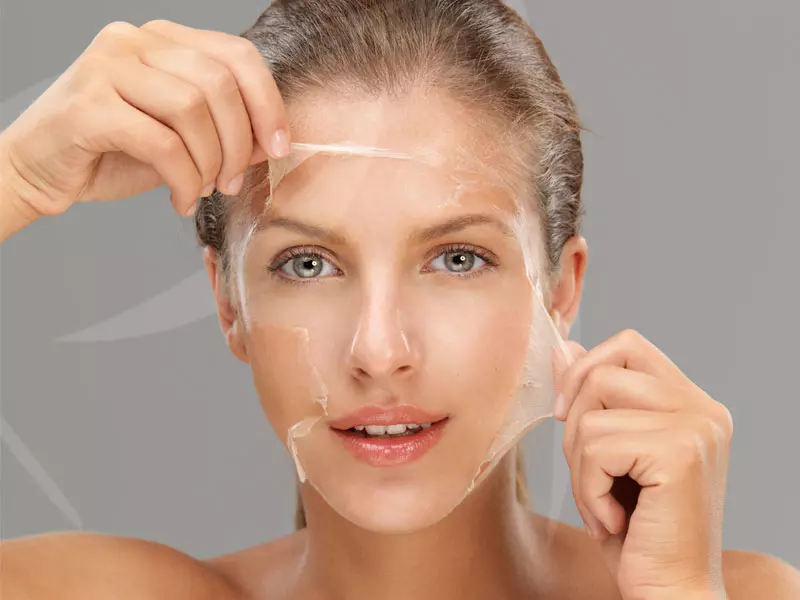

Peeling Treatment for Pigmentation is one of the methods used to remove dead skin cells and reduce the appearance of pigmentation. It aims to create controlled exfoliation of the upper skin layer and reveal a renewed skin surface. It is generally performed using chemical or mechanical methods. The appearance of skin pigmentation, acne marks and certain signs of ageing may be reduced with this treatment.
The type of peeling used is selected according to the skin type and the concern being treated. Each peeling has a different depth of action and should therefore be performed by a qualified healthcare professional. In addition to reducing the appearance of pigmentation, treatment may help improve the general appearance of the skin.
This method may support the skin-renewal process and help provide a smoother, more even-looking complexion. However, post-treatment skincare is important. Inadequate care may cause unwanted reactions such as irritation or increased sensitivity.
Benefits of Peeling Treatment for Pigmentation
Peeling treatment may offer different benefits. Removing dead cells may help the skin appear more refreshed and radiant. The procedure may contribute to a more even skin tone by reducing the appearance of colour irregularities and pigmentation.
Another possible benefit is reducing the appearance of fine lines and wrinkles. Peeling may support skin renewal and help soften certain visible signs of ageing. This feature may be considered by people seeking anti-ageing skincare.
Peeling treatment may also help reduce the appearance of certain acne marks. Softening visible surface irregularities may support a smoother-looking skin surface. It may therefore be considered for people with post-acne marks. However, appropriate aftercare is important for preserving the achieved appearance.
What Should You Expect After Peeling?
Redness and sensitivity may occur immediately after peeling. This reaction may depend on the type and depth of treatment. Flaking may develop during the following days. Its duration varies according to the intensity of the peeling and individual skin structure.
The skin may become more sensitive to sunlight after treatment. Sunscreen is therefore important. Sun exposure may increase the risk of new pigmentation and existing spots becoming darker. Using sunscreen appropriate for the skin type may help protect the skin.
Sensitivity and redness may gradually decrease. However, the skincare routine should be followed carefully during this period. Gentle cleansers, suitable moisturisers and products that reduce irritation risk may support recovery. Abrasive products and products containing high levels of alcohol should be avoided while the skin is sensitive.
Basic Rules for Skin Care After Peeling
Several basic rules should be considered during skincare after peeling. First, moisturising is important for reducing dryness and sensitivity. A moisturiser may support the skin barrier and help reduce moisture loss and irritation. Frequency of use should be determined according to the skin structure and practitioner’s recommendation.
Second, sunscreen is important. The skin may become more sensitive to sunlight following peeling, making broad-spectrum sunscreen appropriate for the skin type necessary. Sun exposure may increase the risk of new spots and existing pigmentation becoming darker. Regular sunscreen use may help reduce this risk.
Finally, skincare products should be selected carefully. Products containing alcohol and other irritating ingredients should be avoided, while products appropriate for the skin type should be preferred. Gentle cleansers and suitable soothing products may help support the skin barrier during recovery.
Differences Between Pigmentation Treatments and Peeling
One of the main differences between Pigmentation Treatments and peeling is the methods used and the concerns targeted. Pigmentation treatments may include laser procedures, chemical peeling and microdermabrasion and can target dark spots, sunspots and age spots. They focus on balancing skin tone and reducing visible pigmentation.
Peeling may aim to improve the general appearance of the skin. It removes dead skin cells and may help reveal a renewed skin surface. The appearance of fine lines, wrinkles and certain acne marks may be reduced through peeling. It may therefore also be preferred for general skin renewal.
Pigmentation treatments target more specific pigment concerns, while peeling may provide renewal across a wider skin surface. Both methods require professional assessment, and a suitable treatment should be selected according to the person’s skin type, concerns and expectations.
Skincare Products After Peeling
The selection of products used after peeling is important. Products appropriate for the skin’s needs should be preferred to help reduce sensitivity and redness. Products that may be considered include:
-
Gentle Cleansers: The skin may be sensitive after peeling, so mild cleansers that do not cause irritation should be preferred. Abrasive cleansers should be avoided.
-
Soothing Serums: Suitable soothing and moisturising serums may help reduce redness and sensitivity. The product should be selected according to the skin structure and the practitioner’s recommendation.
-
Moisturisers: Moisturisers may support recovery by maintaining the skin’s moisture balance. Products containing barrier-supporting ingredients such as ceramides may be considered.
-
Sunscreens: A broad-spectrum sunscreen appropriate for the skin type should be used. Reapplication during the day may be recommended according to need.
These products may support recovery and help reduce the risk of irritation. Products that support the skin barrier and do not increase sensitivity should be preferred following peeling.
Laser Pigmentation Treatment Options in Ankara
Different options are available for laser pigmentation treatment in Ankara. This treatment may target dark spots, sunspots and age spots. Depending on the device, laser treatment aims to reduce visible pigmentation by targeting concentrated pigment. Various dermatology clinics in Ankara offer services in this field.
Laser pigmentation treatment may be performed in one or more sessions according to the person’s skin structure and the characteristics of the pigmentation. Mild redness and sensitivity may occur afterwards. The duration of these effects varies from person to person. The reduction in visible pigmentation may differ according to the treatment process and skin type.
People considering treatment in Ankara should research suitable centres and obtain a professional assessment. A treatment plan appropriate for the skin structure and pigmentation type may help support a more even skin tone and smoother skin surface.
 Call
Call
 Whatsapp